




Discovering India's Alpine Secret
When you picture a ski vacation, your mind probably flies to Aspen, Whistler, or the Swiss Alps. It probably doesn’t land in the Garhwal Himalayas of Uttarakhand, India. But that’s exactly where you’ll find Auli, a destination that’s quietly becoming
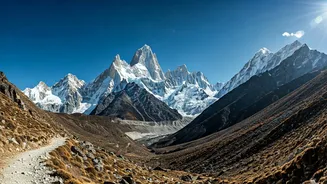
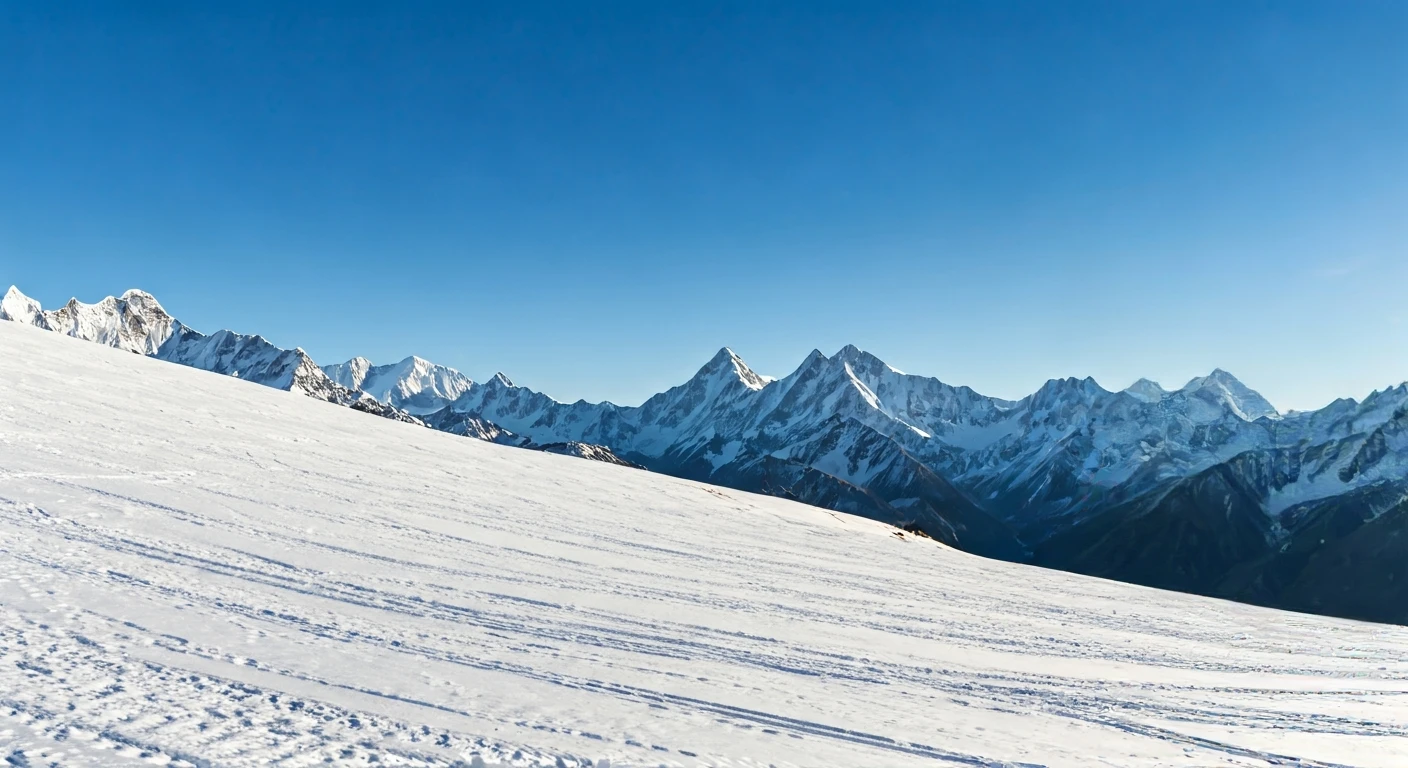
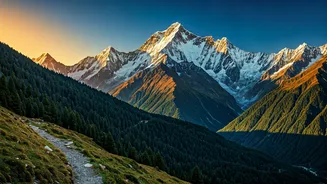
a sanctuary for travelers seeking slopes without the scene. Nestled at an elevation of over 8,200 feet, Auli is a high-altitude meadow-turned-ski-resort that offers something increasingly rare: a sense of discovery. Surrounded by coniferous and oak forests, it provides staggering, panoramic views of some of India’s highest peaks, including the majestic Nanda Devi, a sacred mountain that dominates the skyline.
An All-Season Mountain Playground
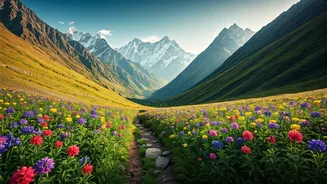
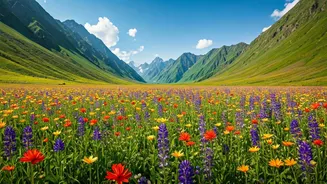
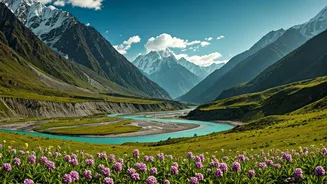
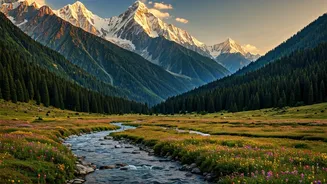
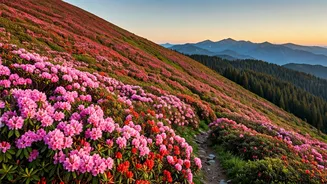
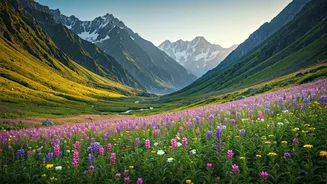
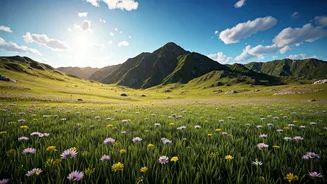
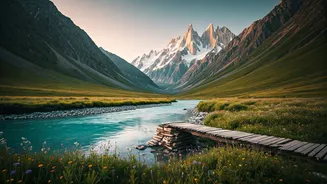
While Auli first gained fame for its winter potential, its appeal isn't limited to one season. From late November to late March, the bugyals (a local word for high-altitude meadows) are draped in a thick blanket of snow, creating pristine ski slopes ideal for both beginners and intermediate skiers. But when the snow melts, Auli undergoes a spectacular transformation. From May to September, the landscape erupts into a carpet of green grass and vibrant wildflowers. This is trekking season, when adventurers come to hike the lush trails, breathe in the crisp air, and witness the Himalayas in their summer glory. Whether you’re drawn by powder or petals, Auli offers a compelling reason to visit year-round.
More Than Just the Slopes
The experience in Auli extends beyond skiing and trekking. One of its premier attractions is the Auli Ropeway, one of the longest and highest cable car systems in Asia. The 2.5-mile journey from the lower town of Joshimath up to the resort is an adventure in itself, offering breathtaking, vertigo-inducing views of the valley below. At the top, you’ll find Auli Lake, a man-made reservoir created to feed the snowmaking machines, which has become a serene focal point, reflecting the sky and surrounding peaks. For those with a spiritual or cultural interest, the nearby town of Joshimath is a significant Hindu pilgrimage site, serving as the winter seat for the deity of Badrinath Temple, adding a layer of ancient culture to the natural splendor.
What 'Crowd-Free' Really Means
Let’s manage expectations: “crowd-free” doesn’t mean you’ll have the entire mountain to yourself. Auli is a popular destination for Indian tourists, especially during peak winter weekends. However, the “crowds” here are fundamentally different from those at a major Western resort. The infrastructure is simpler, the vibe is more rustic, and the overwhelming commercialism is refreshingly absent. You won't find Chanel boutiques or Michelin-starred restaurants. What you’ll find is a more authentic, grounded experience focused on the natural beauty of the place. It’s an escape not just from people, but from a certain type of hyper-developed, hyper-expensive tourism.
The Journey Is Part of the Adventure
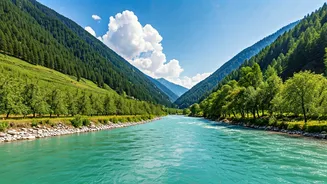
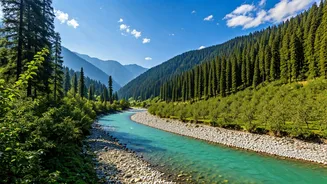
Getting to Auli from the U.S. is an undertaking, but for the intrepid traveler, it’s a rewarding one. The typical route involves flying into New Delhi (DEL), taking a short domestic flight to Jolly Grant Airport in Dehradun (DED), and then embarking on a scenic, winding 8-to-10-hour drive through the mountains. This isn't a quick weekend jaunt. It’s a journey that demands patience and a spirit of adventure. The long drive itself is a stunning immersion into the Himalayan foothills, passing through river valleys and mountain towns. The effort required to reach Auli is precisely what preserves its charm and keeps it off the mainstream global tourist circuit.