






More Than Just Temperature
In many American households, a “cooling” food is one that comes straight from the refrigerator. But in Indian food culture, particularly through the lens of the ancient wellness system Ayurveda, the concept goes much deeper. Foods are classified by their
inherent nature—their *taseer*—as either “hot” (garam) or “cold” (thanda). This doesn’t refer to their literal temperature but to their metabolic effect on the body after digestion. Hot foods are believed to increase internal heat and stimulate the system, while cold foods are thought to soothe, hydrate, and cool it down. It’s a centuries-old blueprint for eating in harmony with the seasons. During India’s scorching summers, this isn’t a quaint tradition; it’s a practical survival guide written in recipes, passed down through generations who knew that what you ate was your first line of defense against the oppressive heat.
Where Ancient Wisdom Meets Modern Science
While the idea of a food’s intrinsic “heat” might sound mystical, modern nutrition offers compelling parallels. Many of the foods classified as “thanda” in Ayurveda are celebrated by science for their cooling properties. These foods are typically high in water content, which is essential for hydration and regulating body temperature. Cucumbers, for instance, are more than 95% water. Watermelons and leafy greens are similarly hydrating. Furthermore, many “cooling” ingredients contain vital electrolytes and minerals that we lose through sweat. Yogurt, the foundation of countless cooling Indian dishes, is a prime example. It not only hydrates but also provides probiotics and protein, making it both refreshing and replenishing. The traditional wisdom, it turns out, was simply a different way of describing observable, practical benefits.
Your Cooling Culinary Toolkit
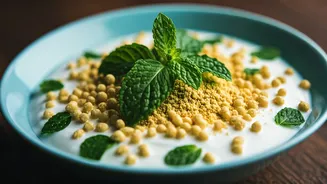
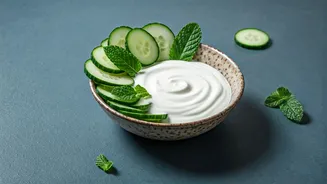
So, what does a cooling Indian pantry look like? It’s full of fresh, vibrant, and surprisingly accessible ingredients. * **Yogurt (Dahi):** The undisputed king of cooling foods. It’s the base for lassi, raita, and chaas (buttermilk), used to temper spices and calm the palate. * **Cucumber (Kheera):** Intensely hydrating and crisp, cucumber is the star of many raitas and salads. * **Mint (Pudina):** Known for its refreshing menthol quality, mint is often blended into chutneys, drinks, and yogurt dips. * **Cilantro (Dhania):** This fresh herb is believed to have cooling properties and adds a bright, clean flavor that cuts through richness. * **Coconut:** Both coconut water and coconut milk are prized for their hydrating and electrolyte-rich nature. * **Fennel Seeds (Saunf):** Often chewed after a meal as a digestive aid, fennel seeds are also considered a cooling spice that helps settle the stomach.
Putting It on the Plate
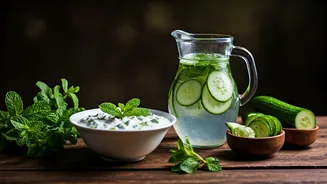
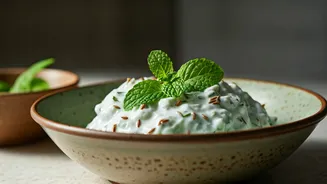
Integrating these principles into your diet is simple and delicious. Start with a classic **Cucumber Raita**. Grate a cucumber, gently squeeze out the excess water, and mix it into plain yogurt with a pinch of salt, roasted cumin powder, and chopped mint. It’s the perfect cooling counterpoint to any spicy dish, or a refreshing dip on its own. For a drink, skip the sugary soda and blend up a **Mango Lassi**. Combine plain yogurt, mango pulp, a splash of milk, and a pinch of cardamom for a drink that’s both a treat and a temperature regulator. On the savory side, a simple **Koshimbir**, a Maharashtrian salad made from finely chopped onions, tomatoes, cucumber, and cilantro with a squeeze of lime, is a perfect light lunch. Even lentils can be cooling; moong dal is considered one of the lightest and most digestible dals, often prepared simply in the summer with minimal spices.