





From Screen Gods to Functional Goals
For decades, the peak of fitness aspiration in India was the “Bollywood body”—the chiseled six-pack abs for men or the controversially slim “size zero” for women, popularized by movie stars. This look was often achieved through extreme, short-term regimens
for a specific role or film release. But for urban millennials and Gen Z, that model is looking increasingly outdated. The new goal isn't just to look good for a season, but to feel good for a lifetime. There's a growing understanding that crash diets and purely aesthetic-driven workouts lead to burnout and injury. Instead, the focus has pivoted to functional fitness: strength for everyday life, mobility to prevent future aches, and endurance to handle the pressures of a fast-paced world. It’s a move from wanting to look like a movie hero to wanting to be the hero of your own, very real, life.
The Rise of the Digital Guru
This fitness revolution is being streamed, posted, and shared. While the U.S. has its own ecosystem of fitness influencers, India's version is uniquely powerful. With some of the world's cheapest mobile data, hundreds of millions of young people have access to a firehose of information on platforms like Instagram and YouTube. This has democratized fitness knowledge, breaking the monopoly of the intimidating neighborhood gym instructor. Influencers are showcasing a wider variety of fitness disciplines—from CrossFit and powerlifting to animal flow and calisthenics—making them seem accessible and cool. Crucially, many of these creators emphasize consistency over intensity and mental wellness alongside physical strength. They create communities, run challenges, and offer a more relatable, supportive version of a coach, available 24/7 in your pocket.
Holistic Health Reimagined
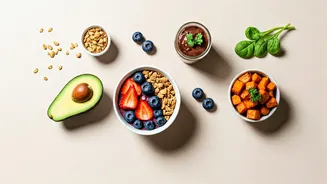
Perhaps the biggest shift is the embrace of a 360-degree view of health. This generation is connecting the dots between physical exercise, mental clarity, and nutrition. It's a modern interpretation of ancient principles. While yoga has always been part of India’s cultural heritage, it's being reclaimed and repackaged for a new audience—less as a purely spiritual pursuit and more as a powerful tool for building strength, flexibility, and mindfulness. Meditation apps are commonplace, and conversations around stress, anxiety, and burnout are losing their stigma. Nutrition is no longer just about cutting calories; it’s about understanding macronutrients, eating clean, and fueling the body correctly. This holistic approach sees fitness not as an isolated activity you do for an hour a day, but as an integrated part of a balanced lifestyle.
The New Economics of Sweat
Underpinning this cultural change is a significant economic one. As India's middle class has expanded, so has its disposable income. For many young professionals in cities like Mumbai, Delhi, and Bangalore, investing in health is now a priority and a status symbol. This has fueled a boom in the wellness industry. The old, rusty-weight gyms are being replaced by boutique studios, specialized CrossFit “boxes,” and high-end fitness centers that offer a premium experience. The gig economy has also empowered a new class of freelance personal trainers, nutritionists, and yoga instructors who build their own brands and client bases. Paying for a personal trainer or a specialized class is no longer seen as an extravagance but as a smart investment in one’s most valuable asset: their long-term health and productivity.