





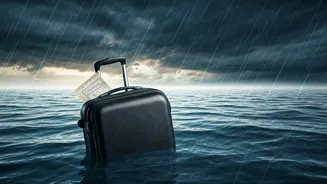



The Real Step: Vet Your Travel Insurance
Forget packing tips for a moment. The single most important step you can take when booking a trip during a rainy or hurricane season is to deeply scrutinize your travel insurance policy *before* you buy it. It’s not enough to simply click “yes” on the
insurance offered by an airline or booking site. You need to become an expert, just for a moment, on what your policy does and does not cover when it comes to weather. This proactive financial safeguard is the difference between a minor inconvenience and a catastrophic loss of your entire vacation fund. While a waterproof jacket keeps you dry, the right insurance policy keeps your investment secure, and that peace of mind is priceless.
Why Standard Policies Often Fail
Here’s the trap many travelers fall into: they assume “travel insurance” is a magic wand that covers any and all disruptions. When it comes to weather, that’s rarely the case. The fine print is everything. A common exclusion relates to “named storms.” Most standard policies will not cover cancellations or interruptions if you purchase the policy *after* a tropical storm or hurricane has been officially named by meteorological organizations like the National Weather Service. If you book a trip to the Caribbean in August and a week later Hurricane Chloe forms, any insurance you buy post-naming won't help you if that storm cancels your flight or makes your destination uninhabitable. Furthermore, many policies won't cover you if you simply want to cancel because the forecast looks dreary. They typically only kick in for specific, severe events like mandated evacuations, flight cancellations by the carrier for over 24 hours, or severe damage that renders your hotel unlivable.
How to Get the Right Protection
To properly protect your trip, you need to be strategic. First, buy your travel insurance policy at the same time you book your flights or hotel, or very shortly after. This ensures you’re covered before any potential storm gets a name. Second, read the policy details for “trip cancellation” and “trip interruption” benefits specifically related to weather. Look for clear language stating what triggers a payable claim. Does it cover you if the airport is closed? What if roads to your destination are impassable? Third, for the ultimate flexibility and peace of mind, consider a “Cancel for Any Reason” (CFAR) upgrade. This premium add-on typically allows you to cancel your trip for, as the name implies, any reason at all—including a bad weather forecast—and get a substantial portion (usually 50-75%) of your non-refundable costs back. It costs more, but for an expensive or once-in-a-lifetime trip during a volatile season, it can be a worthy investment.
And Yes, Pack the Right Gear, Too
Once your financial backstop is secured, you can focus on the practicalities. This is where the more obvious advice comes in, but it’s still essential for on-the-ground comfort. Pack a high-quality, breathable rain jacket—not a cheap poncho that will turn into a sauna. Choose footwear that can handle puddles and dry quickly; waterproof hiking shoes or durable sandals are better than sneakers that will stay soggy for days. Invest in a waterproof daypack or a rain cover for your existing bag to protect your phone, camera, and passport. Finally, opt for quick-dry clothing made from synthetic fabrics or merino wool. Cotton takes forever to dry in humid, rainy climates and will leave you feeling damp and chilled. These items will keep you comfortable, allowing you to actually enjoy the dramatic skies and vibrant, rain-washed scenery.