




Beyond Bollywood Maximalism
The popular image of Indian interiors has long been one of opulent maximalism. Think of lavishly decorated havelis, intricate jali screens, and rooms bursting with color, pattern, and texture. This perception, while rooted in the subcontinent’s royal
history and love for ornamentation, paints an incomplete picture of modern life. For decades, urban Indian homes often reflected a mix of colonial-era furniture and a more-is-more philosophy. But as India’s global influence grows and its cities become more crowded and fast-paced, a collective desire for a different kind of living space has emerged. Designers and homeowners are turning away from visual noise and towards something more intentional, soulful, and serene. It’s not about erasing the past, but about curating it with a modern sensibility.
The New Indian Aesthetic: An Earthy Minimalism
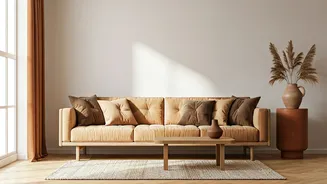
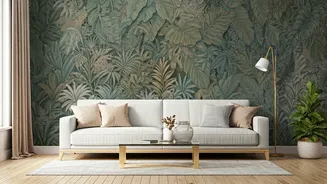
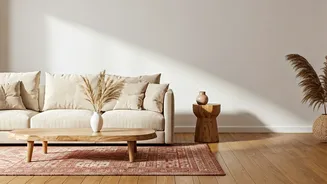
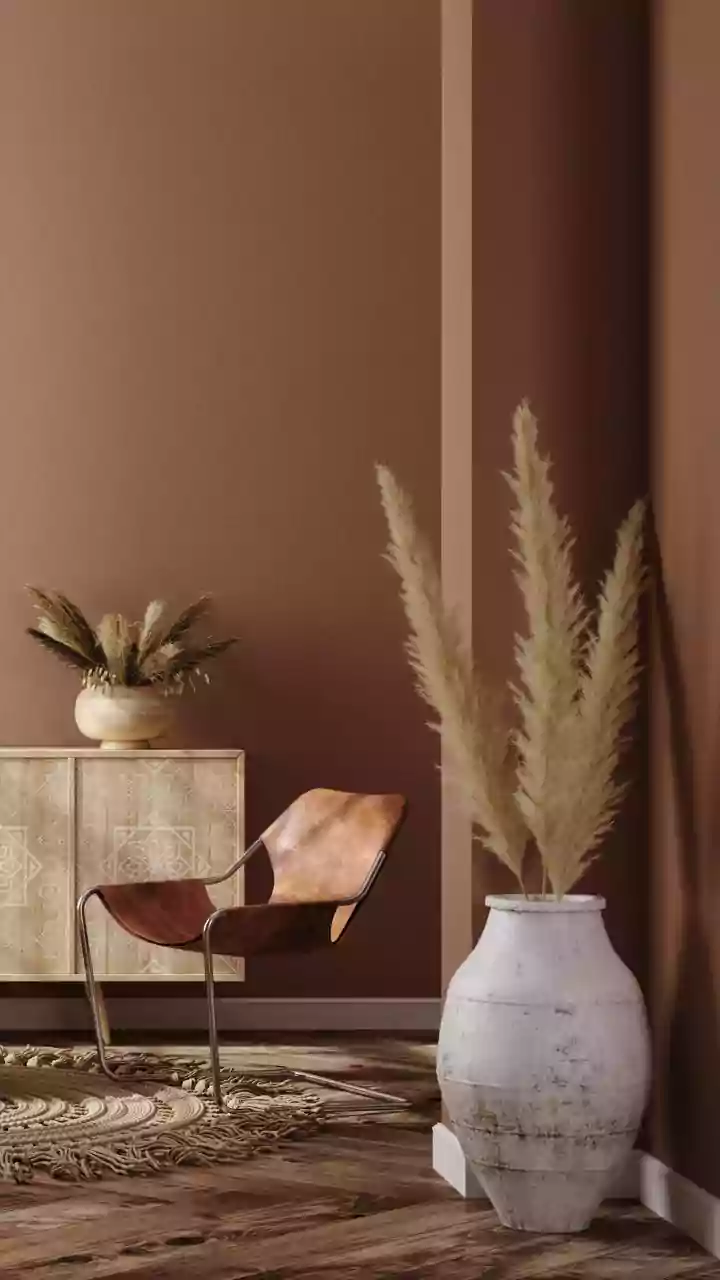
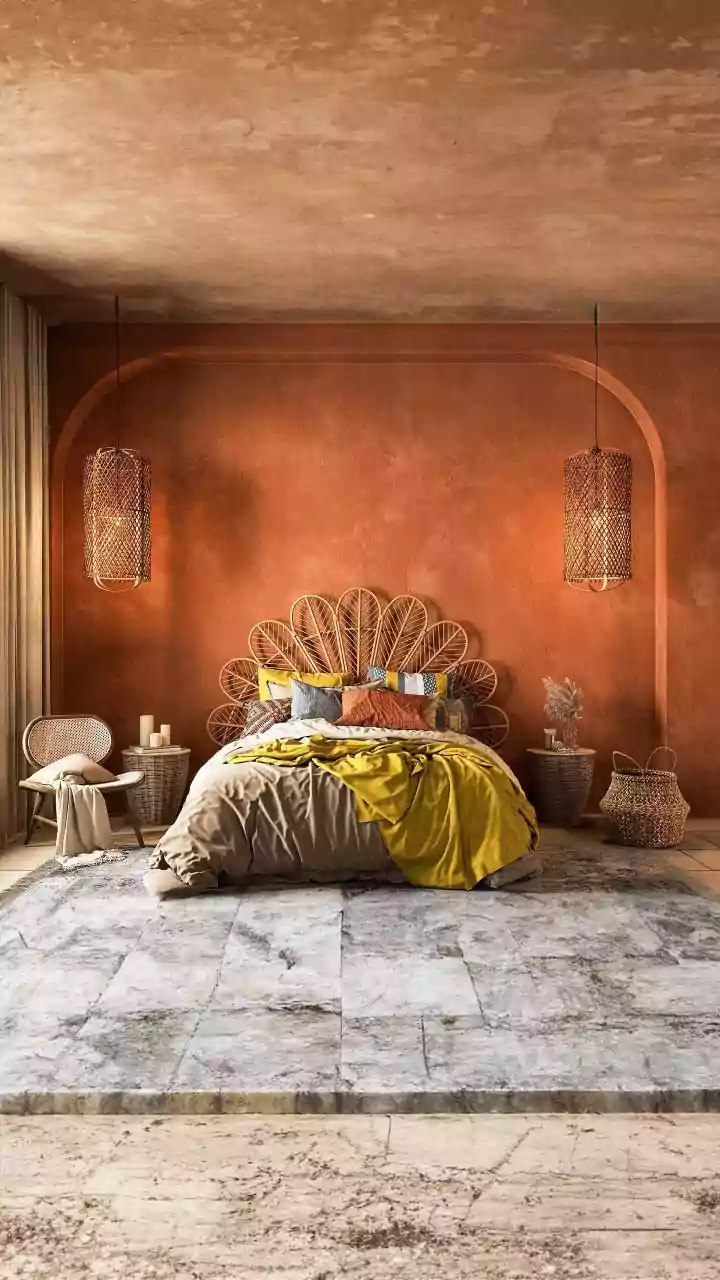
So, what does this new Indian minimalism look like? It’s a far cry from the cold, sterile minimalism often associated with Scandinavian or Japanese design. Instead, it’s a warm, tactile, and deeply personal style. The color palette is the first major shift. Gone are the saturated reds and blues, replaced by a sophisticated range of earthy tones: terracotta, ochre, sand, beige, and muted greens. These colors evoke a connection to the land and create an immediate sense of calm. Materials are central to this aesthetic. There is a strong emphasis on natural, locally sourced elements like reclaimed teak, bamboo, cane, jute, and raw linen. Polished marble is giving way to textured lime-washed walls (a traditional technique known as ‘chuna’), and glossy finishes are being replaced by matte surfaces that absorb light and soften a room. The result is a space that feels grounded, breathable, and deeply connected to nature.
Why Now? A Search for Sanctuary
This aesthetic shift isn't happening in a vacuum. It’s a direct response to the pressures of contemporary urban Indian life. In bustling megacities like Mumbai and Delhi, where space is a premium and the outside world is a constant sensory overload, the home has become a critical sanctuary. People are no longer seeking to impress guests with overt displays of wealth; they are seeking to create a personal haven that recharges and restores them. This trend also aligns with a global movement towards wellness, mindfulness, and conscious consumption. Homeowners are becoming more aware of the materials they bring into their homes, preferring sustainable, handcrafted items over mass-produced goods. This minimalist approach is less about having less, and more about having only what is beautiful, functional, and meaningful.
Rooted in Tradition, Reimagined for Today
Crucially, this is not a Western trend being imported into India. It is a reinterpretation of Indian heritage for the 21st century. Instead of ornate, figurative carvings, you might see a single, beautifully crafted wooden bench with clean lines. Instead of heavy brocade curtains, you might find hand-loomed, diaphanous cotton sheers that filter the harsh sunlight into a soft glow. Artisanal traditions are being celebrated, not discarded. Hand-thrown pottery, woven charpai daybeds, and block-printed textiles are finding new life in these minimalist spaces, serving as focal points that tell a story of craftsmanship. Even ancient principles of Vastu Shastra—an Indian system of architecture that emphasizes harmony with nature—are being applied to optimize light, airflow, and positive energy, reinforcing the core goals of creating a calm and balanced environment.