
Beyond the Curry House Monolith
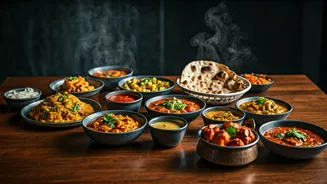
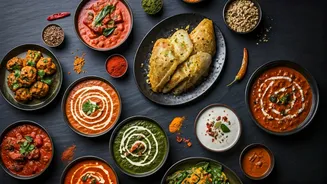
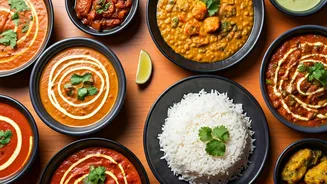
Ask an American to name an Indian dish, and you’ll likely hear “chicken tikka masala.” For years, the global understanding of Indian food was shaped by a handful of creamy, tomato-based curries and tandoori breads from the Punjab region. This wasn't by accident.
Early Indian immigrants to the U.K. and U.S. were predominantly Punjabi, and they brought the familiar, crowd-pleasing flavors of their homeland with them. This established a culinary shorthand that was comforting and accessible but also deeply incomplete. It presented the cuisine of a subcontinent of 1.4 billion people as a single, homogenous entity—like suggesting all European food is just pizza and pasta. The rich culinary traditions of the south, east, and northeast remained largely invisible to the Western palate.
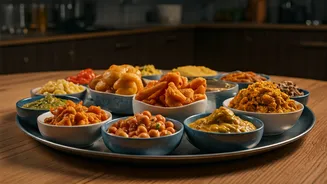
A Continent on a Single Plate
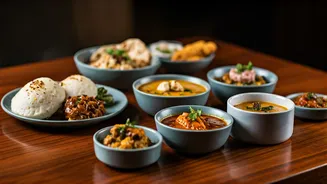
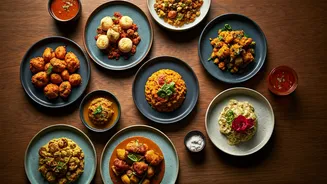
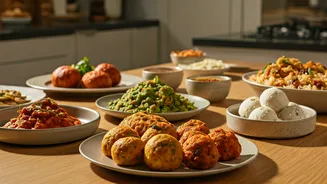
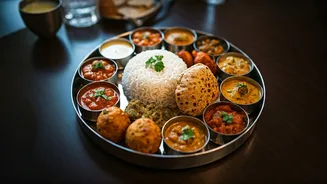
The first lesson the world is learning is one of scale and diversity. India isn’t a country with a single cuisine; it’s a continent with dozens of them, each shaped by its own unique climate, history, and agriculture. The food of coastal Kerala, with its abundant coconuts, fresh seafood, and tangy kokum, bears little resemblance to the mustard oil-laced fish preparations of Bengal. The vegetarian thalis of Gujarat, with their delicate balance of sweet, sour, and spicy notes, are a world away from the fermented bamboo shoots and smoked meats of Nagaland in the northeast. This awakening is similar to how Americans learned to distinguish between the regional specificities of Italian food (Tuscan vs. Sicilian) or Chinese food (Sichuan vs. Cantonese). Chefs and diners are realizing there isn’t one “Indian” flavor profile, but an entire library of them waiting to be explored.
The Wisdom of Hyper-Localism
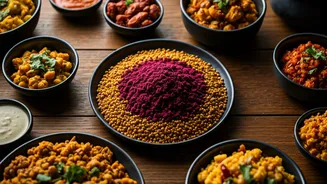
Long before “farm-to-table” became a trendy hashtag, it was the default reality for most Indian regional cooking. The second lesson is one of profound seasonality and place. Indian home cooks have always built their menus around what the local land and water provide. In the backwaters of Kerala, this means rice, bananas, and fish are staples. In the arid deserts of Rajasthan, durable lentils, millets, and resourceful techniques for preserving food are key. This philosophy champions using every part of a plant, from banana flowers to jackfruit seeds, minimizing waste and maximizing flavor. As the global food world grapples with sustainability, the time-tested, resourceful, and deeply local approach of India's regional kitchens offers a powerful and delicious blueprint.
Spice as Medicine, Not Just Heat
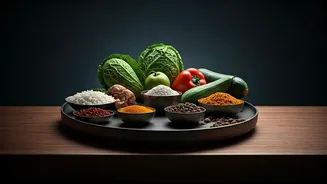
Perhaps the most nuanced lesson is in the sophisticated use of spices. Western palates often associate Indian spice with sheer heat. But in regional Indian cooking, spices are used for aroma, complexity, and even medicinal benefit, drawing on ancient Ayurvedic principles. It’s about balance. A Bengali *panch phoron* (five-spice blend) creates a foundation of flavor without fire, while a South Indian *sambar* balances the heat of chiles with the coolness of coconut and the tang of tamarind. This approach treats a spice cabinet like a painter’s palette, used to create layers of flavor and aroma that are digestive, anti-inflammatory, and utterly distinct. The lesson isn't just about adding new spices, but understanding their function and purpose in creating a holistic, balanced dish.
From Home Kitchens to Global Stages
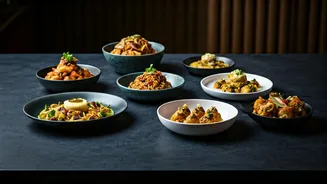
This shift isn't just academic; it’s happening on our plates. Restaurants like Semma in New York City have earned Michelin stars by unapologetically celebrating rural Southern Indian cooking, a style previously unknown to most fine-dining patrons. In London, Asma Khan’s Darjeeling Express brings the home-style food of Kolkata and Hyderabad to the world stage, cooked by an all-female team of home cooks. These chefs are acting as translators, bringing the recipes of their grandmothers into the global spotlight and proving that regional specificity has commercial and critical appeal. They are demonstrating that authenticity doesn't require dumbing down flavors but rather celebrating them in their truest form.