
First, What Are Mithai?
Before we dive in, let’s get acquainted. “Mithai” is the Hindi word for sweets, but it represents a universe far beyond a simple box of chocolates. It’s a vast and dazzling category of confections central to Indian culture, celebrations, and daily life.
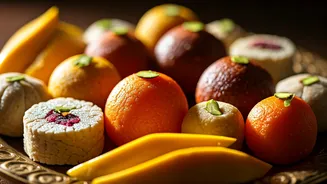
Think of them as edible jewels, often crafted from milk, sugar, flour, nuts, and fragrant spices. You might have heard of some of the more famous, and often more labor-intensive, varieties: the pretzel-like, syrup-soaked jalebi; the soft, milky spheres of gulab jamun; or the meticulously layered patisa. While delicious, many of these require a level of skill, patience, and practice that can intimidate even seasoned home cooks. That’s what makes our summer hero stand out.
Meet Mango Barfi: Summer in a Square
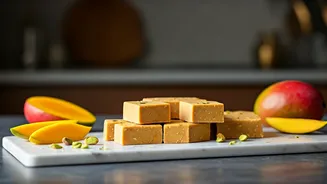
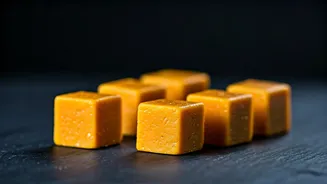
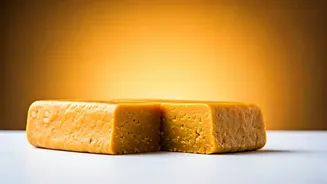
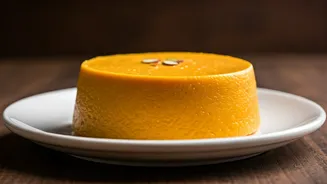
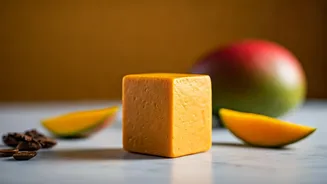
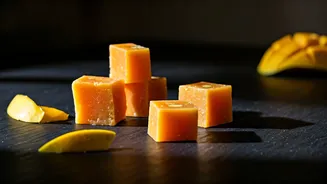
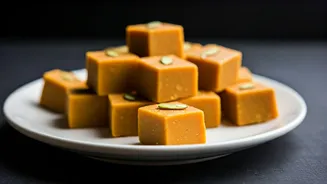
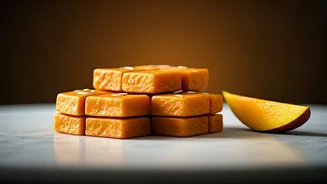
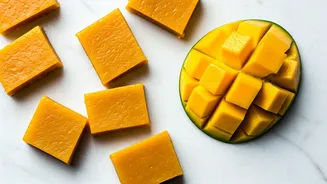
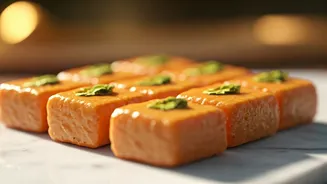
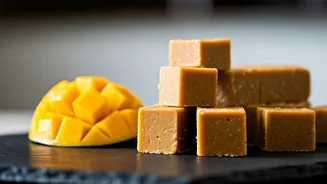
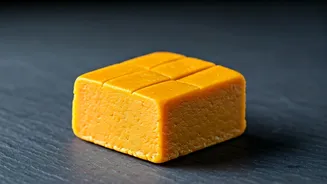
Mango barfi is a type of mithai that is essentially a dense, fudgy, sliceable confection. Imagine the pure, unadulterated flavor of the best mango you’ve ever tasted, concentrated into a creamy, melt-in-your-mouth square. It’s not quite a piece of fudge, and it’s not cake—it exists in a delightful category all its own. The texture is firm enough to hold its shape but soft enough to yield instantly. Visually, it’s a showstopper, boasting a vibrant, sunny orange hue that screams summer. Garnished with slivered pistachios or a touch of edible silver leaf, it looks like it came from a high-end sweet shop, belying the minimal effort required to make it.
Why It’s Genuinely Easy
The headline’s claim rests on a few key factors that separate mango barfi from its more demanding cousins. First, the ingredient list is remarkably short. Many authentic recipes call for just three or four core components. Second, there are no complex techniques involved. If you can stir a pot, you can make mango barfi. There’s no deep-frying, no wrestling with finicky sugar syrups that need to reach a specific temperature, and no delicate folding or shaping. The process is incredibly forgiving. If you cook it a minute too long, it might get a little chewier. A minute too little, and it’s a bit softer. Either way, it’s still delicious. This low-stakes process makes it the perfect entry point for anyone curious about making Indian sweets at home.
The MVP: Canned Mango Pulp
The single greatest secret to effortless mango barfi is using canned mango pulp. While you could certainly peel, pit, and puree fresh mangoes, using a high-quality canned pulp (look for brands using Alphonso or Kesar mangoes at an Indian grocery store) is a game-changer. It provides three things fresh mangoes can't guarantee: intense, consistent flavor; vibrant, uniform color; and a standardized sweetness and texture. This shortcut eliminates the biggest variable and the most time-consuming prep step, letting you get straight to the cooking. The other key player is full-fat milk powder, which stands in for the traditional method of slowly simmering and reducing fresh milk for hours. It provides the creamy, rich body in a fraction of the time.
The Entire Process in a Nutshell
So what does this “easy” process actually look like? In a non-stick pan, you’ll gently toast milk powder in a little ghee (clarified butter) until it smells nutty and fragrant. This simple step adds a huge amount of depth. Then, you pour in your mango pulp and sugar, stirring everything together. The main event is simply cooking this mixture over medium heat, stirring continuously as it bubbles and thickens. After about 10 to 15 minutes, the mixture will start to pull away from the sides of the pan, forming a cohesive, glossy mass. That’s your signal. You pour this lava-like mixture into a greased dish, spread it evenly, and let it cool completely. Once it’s firm, you slice it into squares or diamonds. That’s it. You’ve just made one of India’s most beloved summer treats.