





The Rise of Festival Tourism
For years, the idea of traveling for a concert in India was a niche activity. But a seismic shift is underway. An entire generation of young, urban Indians now sees flying or taking a train to another city for a multi-day music festival as a rite of passage.
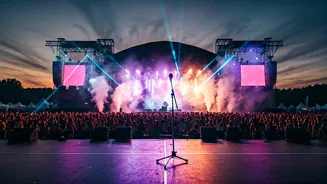
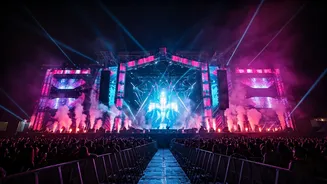
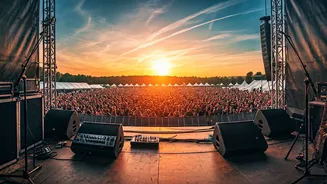
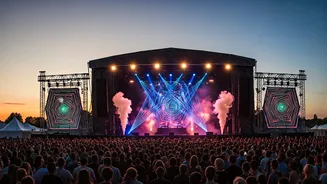
This isn't just about catching a favorite band; it’s about embarking on a planned journey, or “festival tourism.” Major events like Lollapalooza's Indian debut in Mumbai, the multi-city NH7 Weekender, and Goa's legendary Sunburn festival have become powerful magnets. They pull tens of thousands of attendees from their hometowns, creating temporary, vibrant communities built around shared tastes in music, fashion, and culture. These aren't just local events anymore; they are national destinations.
Driven by a New Economy
So, what’s fueling this great migration? The answer lies in the potent mix of economic growth and a generational mindset shift. India's burgeoning middle class has produced a wave of young professionals with disposable income and a hunger for new experiences over material possessions. For their parents' generation, saving and investing in tangible assets like property or gold was the priority. For many young Indians today, spending on travel, experiences, and cultural events is seen as an investment in a different kind of asset: a well-rounded, joyful life. The rise of budget airlines, better digital payment systems, and platforms like Airbnb have made the logistics of traveling for a weekend-long festival more accessible than ever. It's the “experience economy” playing out on a massive, subcontinent-wide scale.
A New Map of Modern India
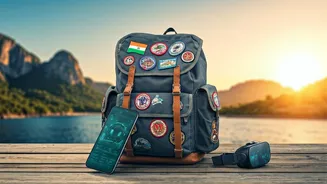
This trend is also redrawing the cultural map of the country. While major metropolitan hubs like Mumbai and Delhi are expected festival locations, some of the most interesting events are happening in more remote, picturesque settings. The Ziro Festival of Music, for instance, draws indie music lovers to a lush valley in the northeastern state of Arunachal Pradesh, a region geographically and culturally distinct from much of mainland India. The Magnetic Fields festival takes over a 17th-century palace in the deserts of Rajasthan. By moving beyond the usual urban centers, these festivals are encouraging a new form of domestic tourism. A 22-year-old from Bangalore might make their first-ever trip to Shillong in the northeast for NH7 Weekender, discovering a part of their own country they'd only ever seen on a map. In this way, music is becoming a thread that connects disparate parts of India’s vast and varied landscape.
A Space for Freedom and Identity
Beyond the economic and logistical factors, there is a profound cultural driver at play. For many young Indians, especially women, a music festival offers a temporary bubble of freedom and self-expression that can be hard to find in their daily lives. In the anonymized, celebratory chaos of a festival crowd, attendees can experiment with fashion, meet new people, and shed the social expectations of family and neighborhood. It’s a space to perform a more globalized, individualistic identity. The meticulously curated festival outfits posted on Instagram aren’t just for show; they are declarations of personal style and belonging to a modern, pan-Indian youth culture. These events function as crucial spaces where a generation can see itself reflected, forging a collective identity that transcends regional and social boundaries.