







First, What Is 'Plant-Forward'?
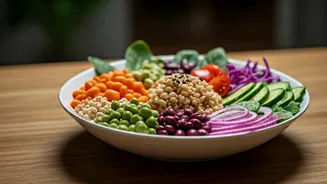
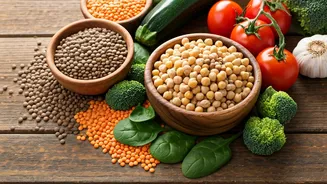
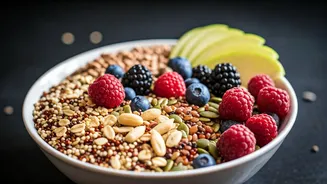
Let’s clear one thing up: “plant-forward” doesn’t necessarily mean vegan or vegetarian. Think of it as a shift in focus, not a rigid set of restrictions. A plant-forward plate makes vegetables, fruits, whole grains, legumes, nuts, and seeds the star of the show.
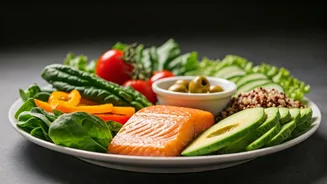
Animal products—like chicken, fish, eggs, or dairy—can still be part of the meal, but they play a supporting role rather than taking center stage. The goal is simple: get more of your nutrients and calories from plant sources. It’s an inclusive approach that emphasizes adding powerful foods, not just subtracting familiar ones. This flexibility is key to its growing appeal; it feels less like a diet and more like a strategic upgrade to how you already eat.
The Anti-Inflammatory Advantage
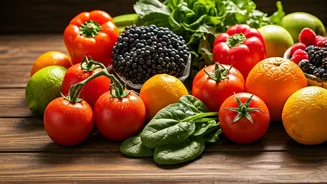
One of the biggest reasons athletes are making the switch is for recovery. Intense physical exertion creates microscopic tears in muscle fibers, leading to inflammation, soreness, and fatigue. While this process is necessary for building strength, chronic or excessive inflammation can hinder performance and delay recovery. Plant-based foods are packed with antioxidants and phytonutrients—compounds that naturally combat inflammation. Diets rich in colorful fruits and vegetables, leafy greens, and spices like turmeric have been linked to lower levels of inflammatory markers in the body. For an athlete, this translates to tangible benefits: less muscle soreness, a quicker return to training, and a reduced risk of the overuse injuries that can derail a season.
Better Blood Flow, More Endurance
Performance isn't just about muscle; it's about oxygen. Your ability to sustain effort depends on how efficiently your cardiovascular system can deliver oxygen-rich blood to working muscles. Many plant-based foods, particularly beets, pomegranates, and dark leafy greens, are high in nitrates. The body converts these nitrates into nitric oxide, a molecule that helps relax and dilate blood vessels. The result is improved blood flow, or what scientists call vasodilation. Better blood flow means more oxygen and nutrients can reach your muscles during exercise, potentially boosting endurance and efficiency. It also helps clear out metabolic waste products, like lactic acid, more quickly. This allows athletes to push harder for longer and feel less fatigue.
The Pro Athlete Playbook
This isn't just theory; it's being put into practice at the highest levels of sport. NBA superstar Chris Paul adopted a plant-based diet to prolong his career, crediting it with reduced soreness and increased energy. Tennis champion Venus Williams famously uses a plant-based diet to manage symptoms of an autoimmune disease and stay competitive at an age when many of her peers have retired. Ultramarathoner Scott Jurek, one of the most dominant endurance runners in history, has fueled his record-breaking performances on a 100% plant-based diet for decades. These athletes, and countless others, are living proof that you don't need massive amounts of animal protein to build and maintain an elite physique. They're choosing plants for longevity, recovery, and a distinct competitive advantage.
Making the Shift Without the Stress
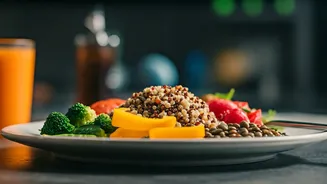
You don't need a personal chef to start tapping into these benefits. The key is to make small, sustainable changes. Start with 'Meatless Mondays' or aim for one fully plant-based meal a day. When you build your plate, mentally reverse the proportions: fill two-thirds with vegetables, whole grains, and legumes, and one-third with your protein of choice, whether it's fish, chicken, or tofu. Another easy trick is to make simple swaps. Use lentils in your bolognese sauce instead of ground beef, try a black bean burger instead of a beef patty, or blend a smoothie with spinach and plant-based protein powder for a quick recovery shake. The goal is progress, not perfection.