
The Old Rules of Dining
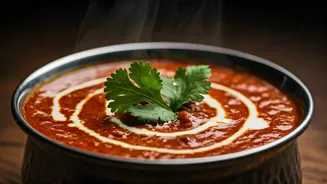
Let’s be honest: for many Americans, the idea of an Indian restaurant conjures a specific image. It’s often a cozy, perhaps slightly dated room, with a familiar menu of greatest hits—butter chicken, saag paneer, lamb vindaloo. Delicious, but predictable.
In India itself, the high-end experience was, for a long time, an entirely different kind of quiet. Five-star hotels dominated the scene, serving either impeccable but unadventurous North Indian classics or, more often, European cuisine. The underlying message was that to be “fine dining,” food had to be Continental. Indian food was for the home or the street, not for white tablecloths and wine pairings, unless it was heavily subdued and made palatable for an international palate. The ambition was to replicate Paris or London, not to celebrate Mumbai or Chennai.
The Sound of a New Confidence
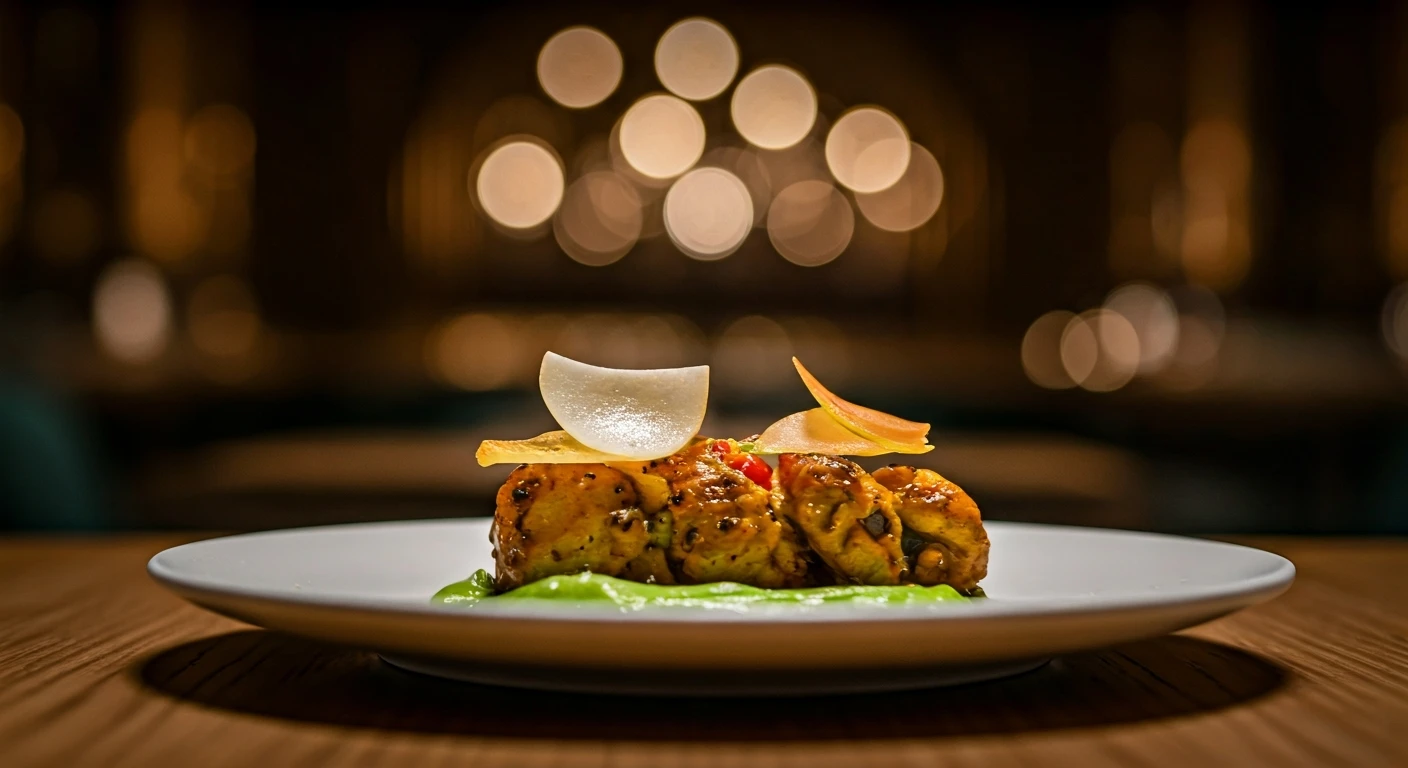
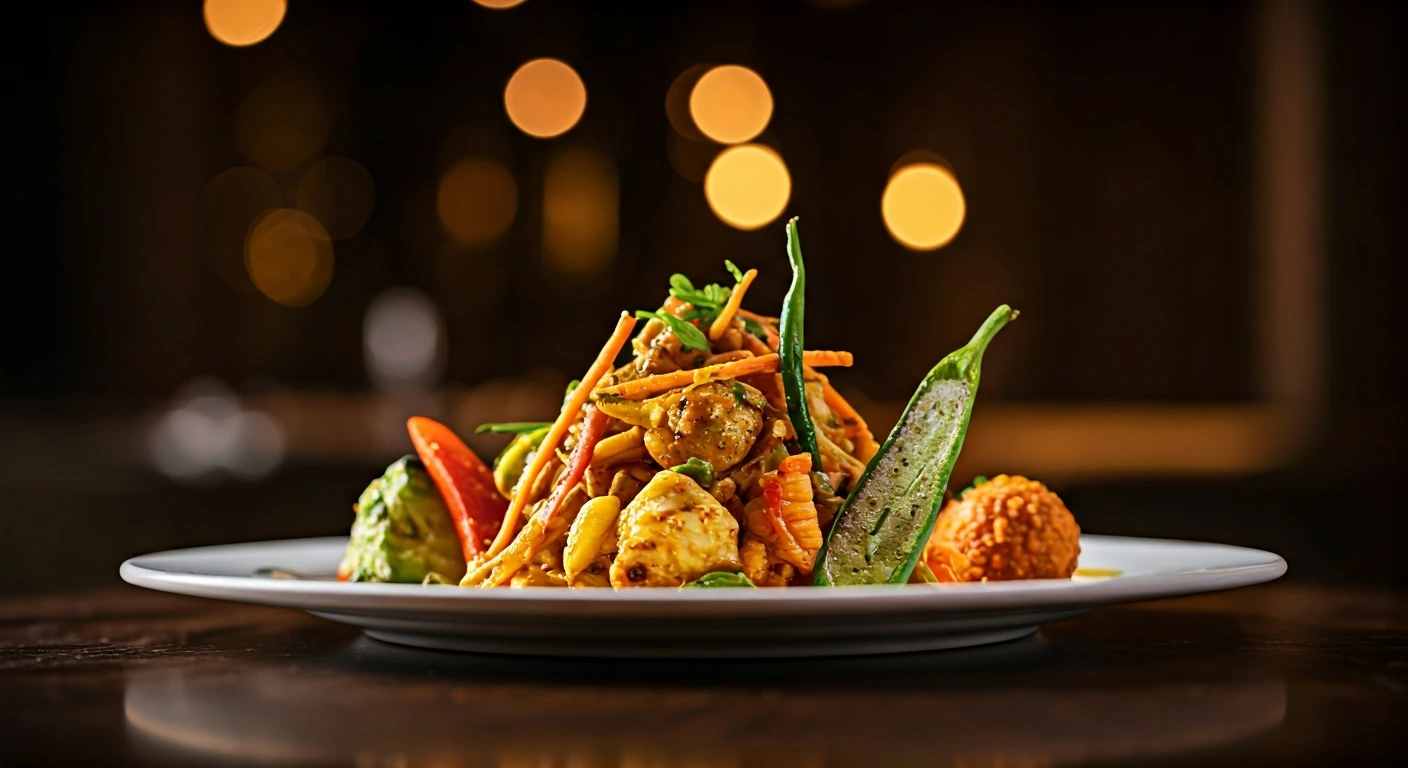
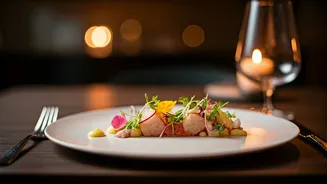
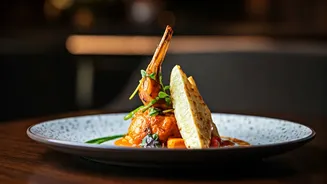
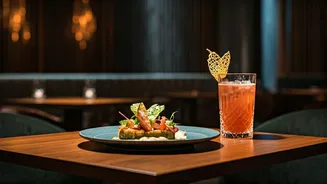
So, what does “getting loud” mean? It’s not about shouting waiters or clanging kitchens. It’s the sound of cultural confidence. It’s chefs and restaurateurs looking inward, at the subcontinent’s staggering diversity of ingredients, techniques, and regional micro-cuisines, and saying, “This is more than enough.” Restaurants like Indian Accent in New Delhi (and formerly New York) were pioneers, with chef Manish Mehrotra playfully deconstructing and reinventing nostalgic Indian dishes. Think soy keema served with a tiny quail egg and lime leaf butter pao—a dish that’s witty, sophisticated, and unapologetically Indian. This new movement isn't about fusion in the muddled 1990s sense; it's about progression. It's about using modern techniques to amplify, not dilute, traditional flavors.
Enter the Global Gatekeepers
Nothing says “you’ve arrived” in the culinary world quite like a stamp of approval from the big international guides. For years, India was conspicuously absent from lists like the World’s 50 Best Restaurants and, most notably, the Michelin Guide. That changed dramatically. Restaurants like Masque in Mumbai, which focuses on a farm-to-table ethos with Himalayan ingredients, began cracking the Asia's 50 Best list. Then, in late 2022, Michelin finally launched its first-ever guide for India. While the initial star ratings were modest, the arrival of the little red book was a massive signal. It told the world—and, just as importantly, the chefs themselves—that Indian fine dining was ready for the global stage on its own terms. It’s a validation that fuels more investment, more ambition, and more noise.
Chefs as Storytellers
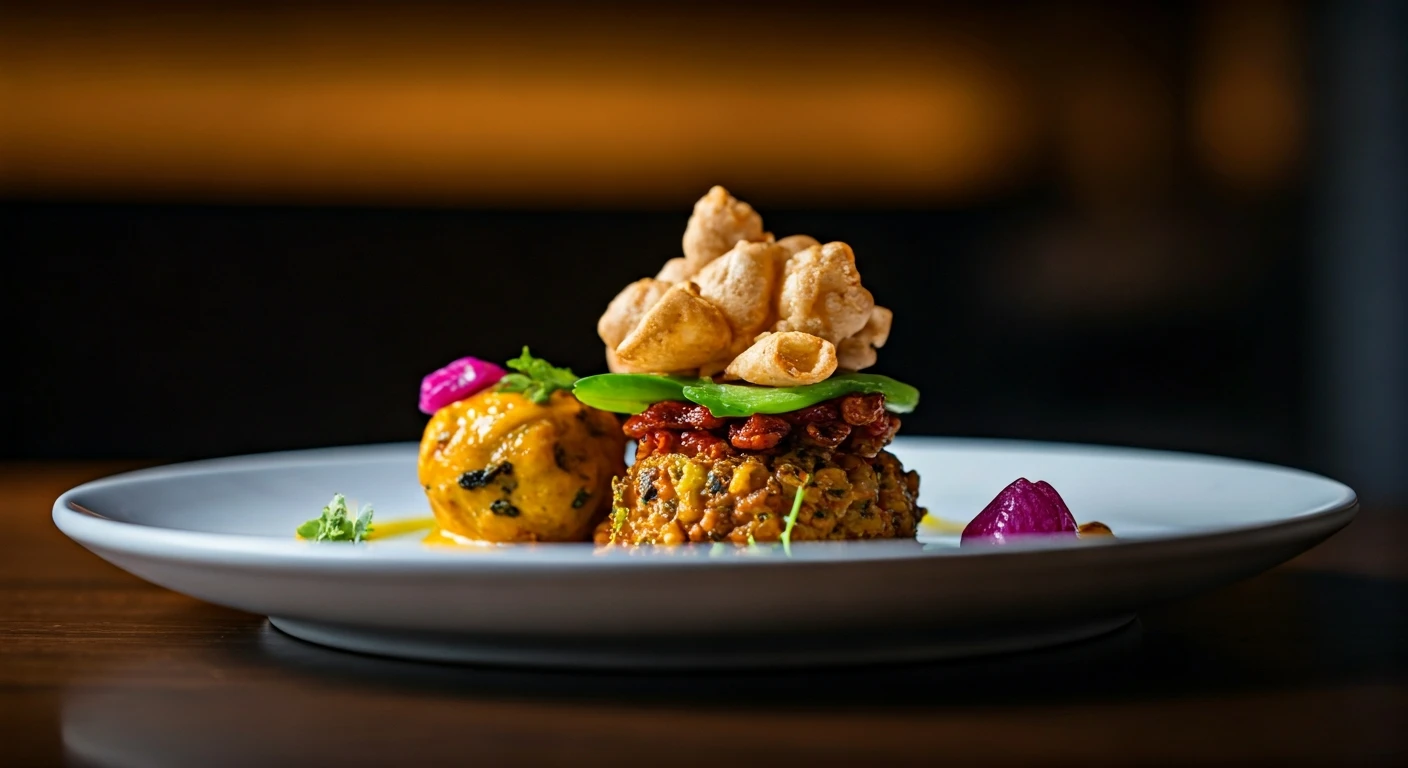
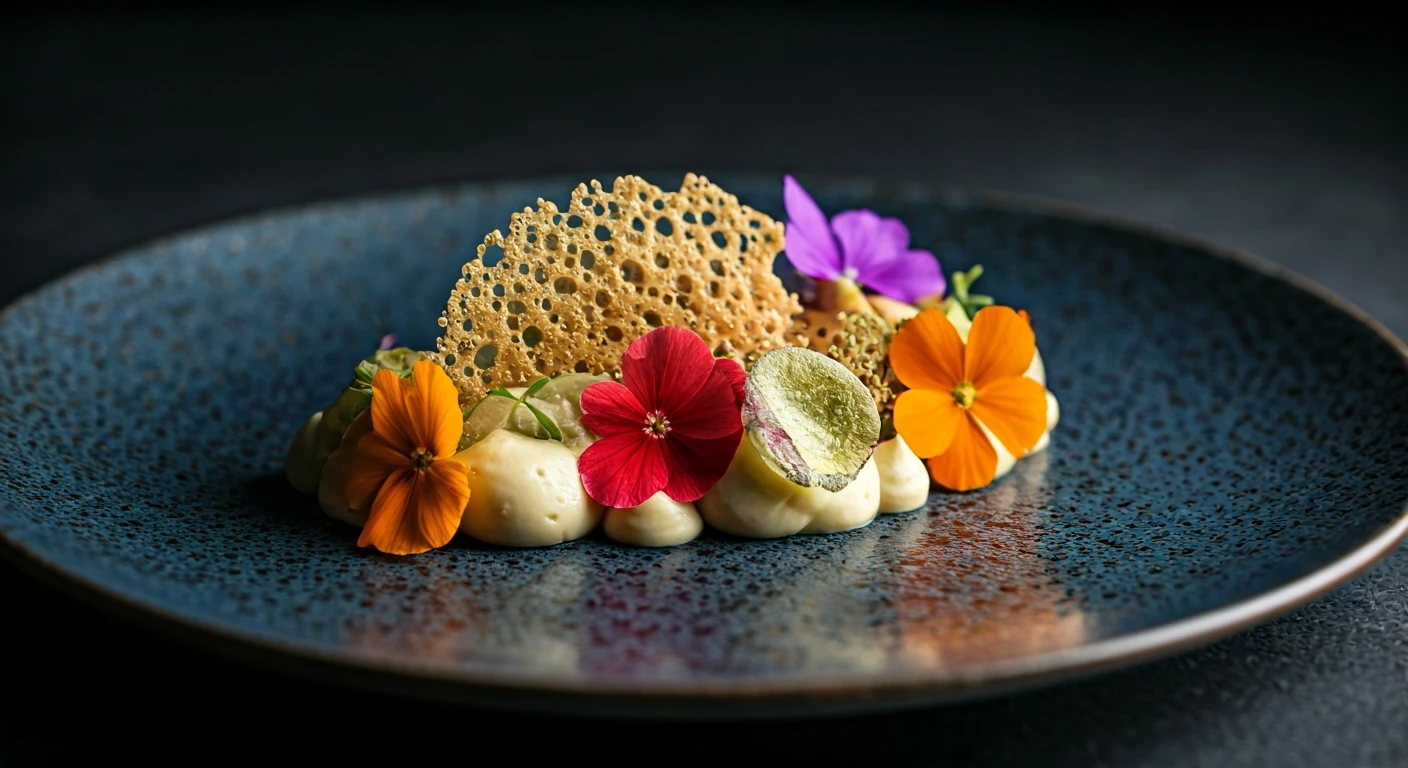
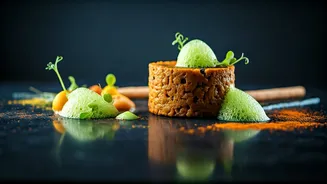
The chefs leading this charge are a new breed. They are not just cooks; they are researchers, historians, and storytellers. At Avartana in Chennai, chefs use ingredients from Southern India to create multi-course tasting menus that are as much a work of art as they are a meal. In Goa, restaurants like Cavatina are championing hyper-local Goan-Portuguese cuisine. The focus has shifted from the pan-Indian clichés of the Punjab to the specific culinary identities of Bengal, Kerala, Rajasthan, and the remote Northeast. These chefs are digging into their grandmothers’ recipes, exploring tribal cooking methods, and foraging for indigenous ingredients that have been overlooked for generations. They are telling the story of India, one complex, surprising, and delicious plate at a time. They’re loud about where they come from, and the world is finally leaning in to listen.