

1. Nothing Goes to Waste
For our grandparents, throwing away food was unthinkable. Stale bread became breadcrumbs or pudding, vegetable peels and chicken bones were simmered into rich broths, and leftovers were guaranteed to appear in a new form the next day. This 'waste not,
want not' philosophy wasn't a trend; it was a fundamental principle of running a household. Today, as awareness grows around the environmental and financial costs of food waste—with the average American family throwing out hundreds of dollars’ worth of groceries each year—this practice has returned with a vengeance. Chefs champion 'root-to-leaf' and 'nose-to-tail' cooking, and home cooks are rediscovering the magic of turning scraps into flavor. That bag of wilted spinach becomes a pesto, carrot tops are blended into sauces, and yesterday’s roast chicken is transformed into tomorrow’s soup. It’s a habit that’s as good for your wallet as it is for the planet.
2. The Art of Preserving
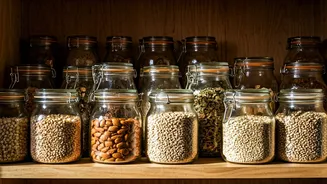
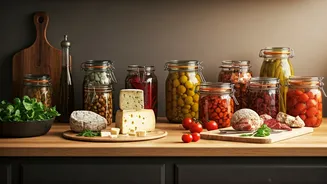
Before you could buy strawberries in December, preserving the harvest was essential. Grandparents spent late summer days canning tomatoes, pickling cucumbers, and making jams from orchard fruit. Their pantries were a colorful testament to their hard work, ensuring a taste of summer in the dead of winter. This skill faded with the rise of global supply chains and year-round supermarket availability. Now, canning and fermenting are back in a big way. It’s partly a desire for control over what we eat—no hidden sugars or preservatives—and partly a celebration of peak-season flavor. A homemade jar of pickled green beans or peach preserves tastes infinitely better than its mass-produced counterpart. Furthermore, the interest in gut health has made fermented foods like kimchi, sauerkraut, and kombucha—all traditional forms of preservation—staples in modern wellness.
3. Cooking Meals from Scratch
The mid-20th century ushered in an era of convenience, with TV dinners, cake mixes, and canned soups promising to liberate people from the kitchen. While these products offered a certain freedom, they also created a reliance on processed foods high in sodium, sugar, and artificial ingredients. For many of our grandparents, cooking from scratch wasn’t a hobby; it was simply how meals were made. Today, there's a powerful movement back toward the basics. People are baking their own sourdough bread, making pasta from flour and eggs, and simmering sauces for hours on the stove. This shift is driven by a desire for better health, superior flavor, and the simple, meditative satisfaction of creating something with your own hands. It reframes cooking not as a chore, but as a rewarding and grounding act of self-care.
4. Eating with the Seasons
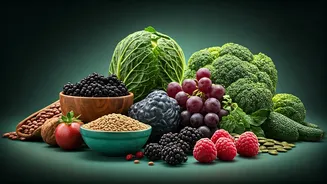
Grandma didn’t serve asparagus in the fall or butternut squash in the spring. Eating seasonally wasn’t a lifestyle choice promoted by farmers' markets; it was the only option available. The diet shifted naturally with what was being harvested, which meant produce was always at its peak freshness, flavor, and nutritional value—not to mention, it was more affordable. While modern logistics allow us to eat almost anything at any time, many are consciously returning to this seasonal rhythm. We're learning what our grandparents always knew: a tomato in August is a completely different (and far superior) fruit than one in February. Eating seasonally supports local farmers, reduces the 'food miles' associated with shipping produce across the globe, and encourages a more varied and nutrient-dense diet throughout the year.
5. The Centerpiece Meal and Its Afterlife
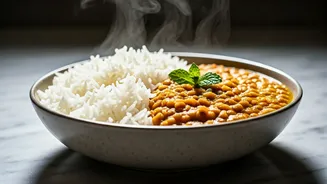
The Sunday roast or a big pot of stew wasn’t just a single meal; it was the anchor for several days of eating. A large piece of meat or a pot of beans would be the star on day one, then its leftovers would be repurposed into sandwiches, casseroles, hashes, or soups. This was strategic, economical cooking that maximized both time and resources. This exact practice is now a cornerstone of the modern 'meal prep' trend. By cooking a large batch of a protein or grain on the weekend, today’s busy professionals are setting themselves up for quick, healthy meals all week long. It’s the same brilliant logic our grandparents used, updated for a 21st-century schedule. It saves time, reduces the temptation to order expensive takeout, and ensures a home-cooked meal is always within reach.