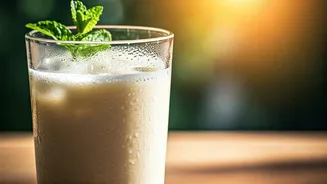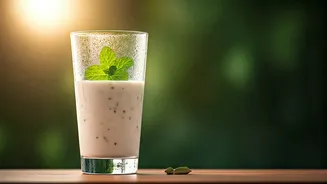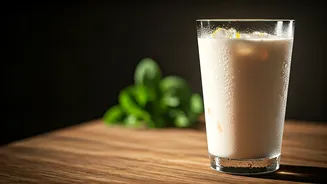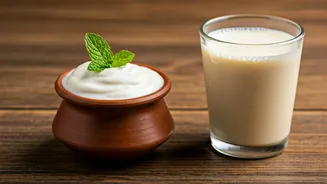

Meet Your New Summer Staple
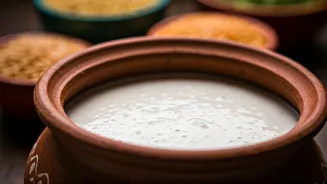
Chaas, at its core, is a masterpiece of simplicity. It’s a savory, yogurt-based drink native to the Indian subcontinent, where it’s been a secret weapon against blistering heat for centuries. Known in various regions as buttermilk, 'mor,' or 'sambharam,'
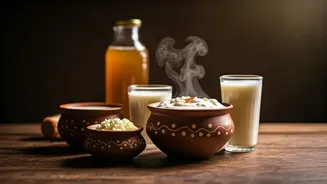
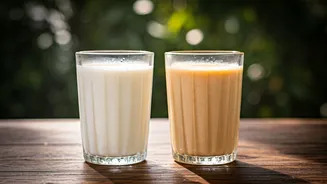
its basic formula is thin yogurt or buttermilk whisked with water and a pinch of salt. That's it. No proprietary blends, no venture-capital-backed origin story. It’s the kind of drink a grandmother makes, not a lab. Served chilled, it’s instantly refreshing—a light, tangy beverage that hydrates and cools you from the inside out. While American buttermilk is often thick and cultured differently, traditional chaas is thinner, more drinkable, and designed for sipping, often by the glassful, especially after meals.
The Unfussy Health Benefits
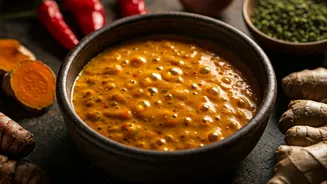
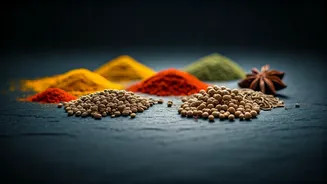
The modern wellness industry loves complexity. Chaas offers the opposite, but its benefits are potent and scientifically sound. First, it’s a natural probiotic. The live cultures in the yogurt base are fantastic for gut health, aiding digestion and helping maintain a healthy microbiome. Unlike many store-bought yogurts and drinks loaded with sugar, traditional chaas is savory, making it a healthier choice. Second, it's an incredible hydrator. The combination of water, salt, and potassium from the yogurt acts as a natural electrolyte drink, replenishing what you lose through sweat on a scorching day. Spices often added to 'masala chaas'—like roasted cumin, ginger, and fresh cilantro—aren't just for flavor; they are digestive powerhouses in their own right, known in Ayurvedic tradition to soothe the stomach and prevent bloating. It’s functional hydration without the fluorescent colors or artificial sweeteners.
Why Did Wellness 'Forget' It?
So if chaas is so great, why isn’t it lining the shelves at Whole Foods next to the açai shots and charcoal lattes? The answer is simple: it’s not easily commodified. Chaas is humble. It’s a domestic drink, made with common ingredients. There’s no exotic, hard-to-pronounce berry to market, no expensive equipment required. Its magic lies in its straightforwardness, which is a tough sell in a wellness market that thrives on novelty and premium pricing. Mainstream wellness culture often co-opts and rebrands traditional foods, stripping them of their context and adding a hefty price tag. Chaas has, so far, mostly escaped this treatment because it’s too simple to 'discover.' It can’t be patented or gatekept. Its authenticity is its greatest strength, but it’s also what keeps it off the trend-chasing radar.
How to Make It at Home
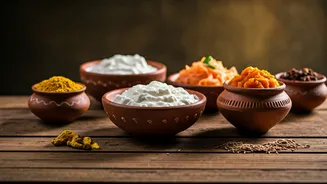
The best part about chaas is how easy it is to make. You don’t need a recipe so much as a ratio. Here’s a starting point: 1. In a bowl or blender, combine 1 part plain, full-fat yogurt with 2 to 3 parts cold water. (The more water you add, the thinner it will be.) 2. Add a pinch of salt. Black salt, or 'kala namak,' is traditional and adds a unique savory, slightly sulfuric flavor, but regular salt works great too. 3. Whisk vigorously until smooth and frothy. A wire whisk, immersion blender, or even just shaking it in a sealed jar will do the trick. For Masala Chaas, add any of the following before blending: a small knob of grated ginger, a pinch of roasted cumin powder, a handful of chopped cilantro or mint leaves, or a finely chopped green chili for a kick. Taste and adjust the salt and water to your liking. Serve it ice-cold.