


The End of the Airport Runway
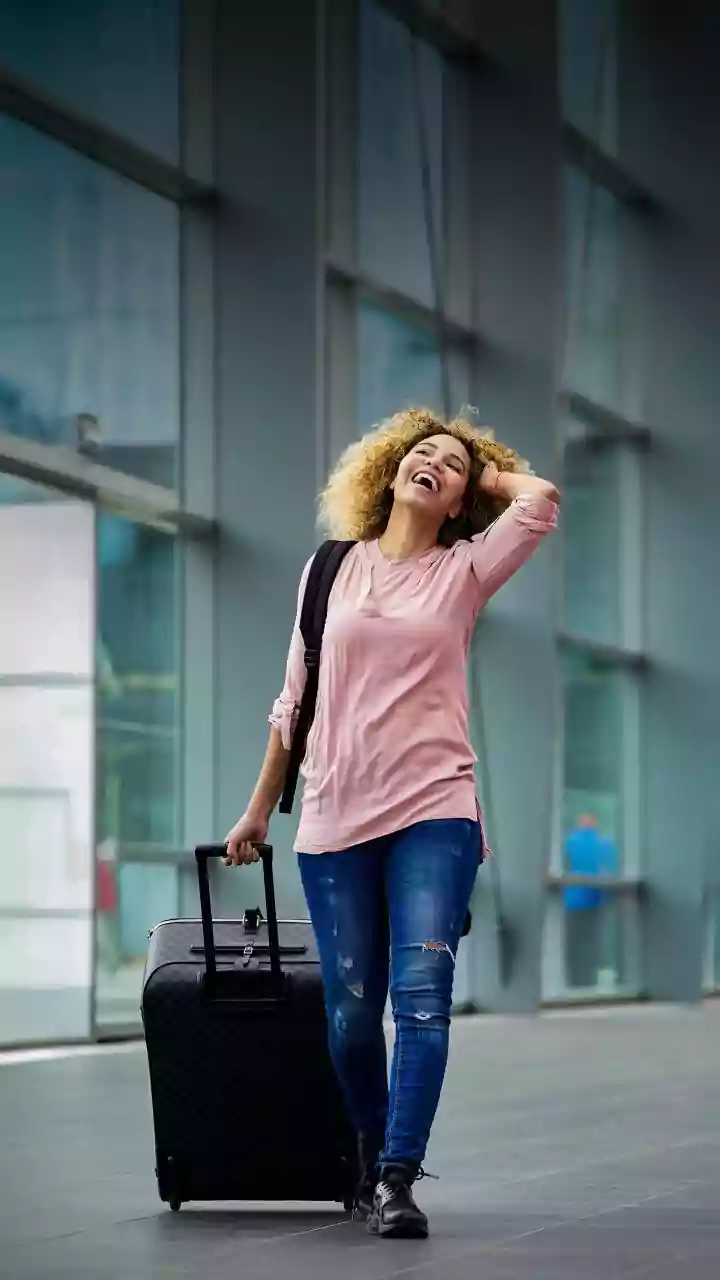
For the better part of a decade, the airport was a stage. Fueled by paparazzi culture and the rise of Instagram, travel became a performance. The 'airport look' was a carefully constructed statement, often involving designer luggage sets, skin-tight dresses,
pristine white sneakers that had clearly never touched a city street, and the ever-present, wildly impractical stiletto heel. It was a visual shorthand for a life of glamour and leisure, a declaration that the hassles of commercial air travel—the long walks to the gate, the cramped seats, the security shuffle—simply didn't apply to you. This was the era of the overt flex. Every outfit was curated for the camera, whether it was a professional photographer's or just an iPhone. The goal wasn't comfort; it was to project an image of untouchable luxury. But like many pre-2020 trends, it now feels incredibly dated, a relic of a time when being 'on' 24/7 was the ultimate aspiration.
Enter 'Quiet Luxury' at 30,000 Feet
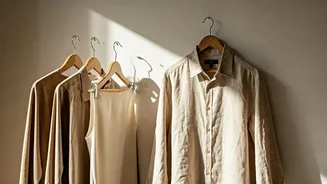
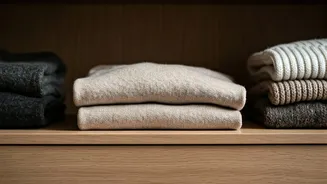
Today, a different kind of flex has taken hold, one that’s quieter, smarter, and infinitely more practical. The new airport uniform whispers, it doesn't shout. Think less logomania, more luscious fabrics. It's the matching cashmere sweatsuit in a chic neutral tone, the perfectly tailored trench coat that doubles as a blanket, the slip-on sneakers that are both stylish and functional. It’s a look that says, 'I do this all the time, and I’ve perfected the system.'
Celebrities who were once paragons of airport glam are now champions of this new aesthetic. Think of Zendaya in a simple grey sweatsuit and Uggs, or Jennifer Lawrence in wide-leg trousers, a baseball cap, and a well-loved leather jacket. The focus has shifted from displaying wealth to demonstrating savvy. The new status symbols are pieces that signal an understanding of quality, durability, and, most importantly, the realities of modern travel.
Why Comfort Became the Ultimate Status Symbol
Several forces converged to dethrone the performative airport look. The most obvious catalyst was the pandemic, which recalibrated our collective relationship with comfort. After two years in sweatpants, the idea of squeezing into restrictive clothing for a long-haul flight lost all its appeal. But the shift runs deeper.
The rise of the 'quiet luxury' trend—think the understated elegance of shows like *Succession*—made ostentatious branding feel gauche. True wealth, the trend suggests, doesn't need to advertise itself. This perfectly aligns with the airport environment. In a space defined by stress and unpredictability—long lines, delays, lost baggage—the person who appears calm, comfortable, and unbothered is the one who truly looks powerful. An impractical outfit, by contrast, suddenly seems amateurish, a sign that you don't travel enough to know better.
The Anatomy of the New Airport Flex
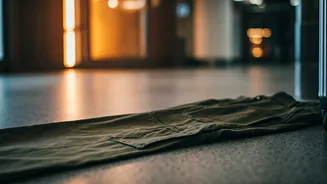
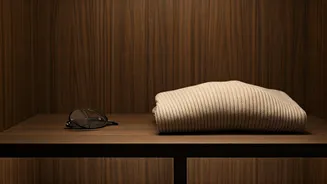
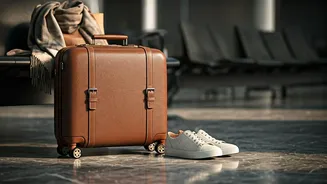
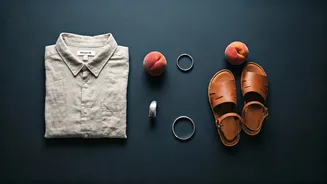
So, what does this new practical style actually look like? It’s a formula built on high-quality basics and intelligent layering. The foundation is often a matching knit set or a comfortable pair of trousers. The footwear is key: a chic loafer, a high-end sneaker, or a stylish flat boot that can be easily slipped off at security. A third piece, like an oversized blazer, a soft trench, or a beautiful cashmere wrap, adds polish and practicality for fluctuating cabin temperatures.
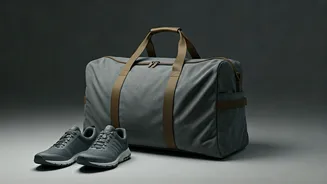
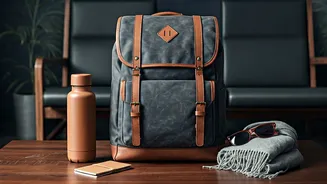
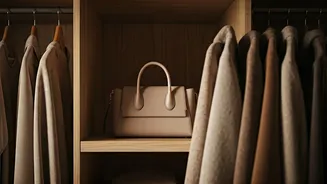
The accessories are just as important, but again, the emphasis is on function. The new 'It' bag for travel isn't a tiny, logo-covered purse; it's a thoughtfully designed carry-on tote or weekender from a brand like Longchamp or a newer direct-to-consumer favorite that has a pocket for everything. The final touch isn't a full face of makeup, but great skin, a pair of sunglasses, and an air of knowing exactly where you're going.