




The New Open-Plan Problem
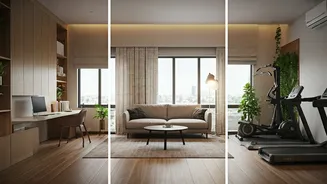
For years, the open-plan office was the standard. Then, open-plan living became the residential ideal. When the pandemic sent millions of Americans home to work, these two trends collided with chaotic results. Suddenly, kitchen islands became boardrooms
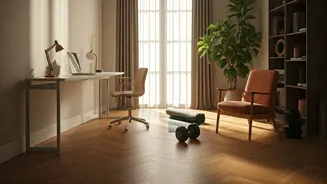
and bedroom corners turned into cubicles. For couples, families, or roommates sharing a space, the lack of physical boundaries created a constant, low-grade stress. Every important call was a gamble, and every moment of deep focus was vulnerable to interruption. The fundamental challenge became clear: how do you create a private office when you don’t have a spare room?
Enter the 'Room-Within-a-Room'
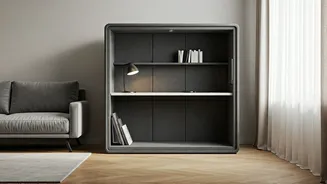
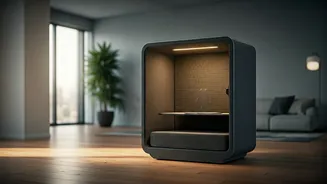
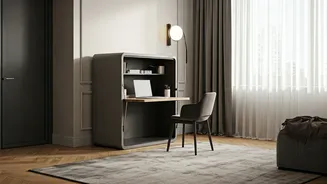
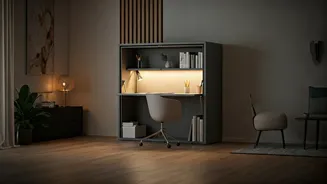
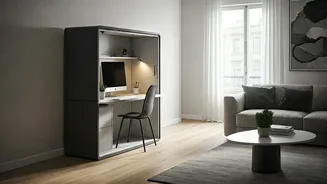
This is where the foldaway study pod comes in. Think of it as a personal, freestanding booth designed to be placed inside an existing room. Often resembling a futuristic phone booth, these pods are engineered to provide acoustic and visual privacy. They aren't permanent structures; many are designed for relatively simple assembly and can be moved or even disassembled if you relocate. Core features typically include sound-dampening walls made of materials like felt or acoustic foam, integrated ventilation to keep air from getting stale, built-in lighting (often adjustable LEDs), and power outlets with USB ports. They offer the single most valuable commodity in a shared home: a door you can close.
Benefit 1: The Cone of Silence
The primary function of a study pod is noise control. While they won’t make you soundproof to the level of a recording studio, high-quality pods can significantly reduce ambient noise. This works both ways. For the person inside, the chatter from a partner’s call, the television, or household chores fades into a dull murmur, allowing for sustained concentration. For those outside, the pod contains the user’s voice, turning a loud sales pitch or a confidential meeting into a barely audible hum. This acoustic separation is the first step to reclaiming sanity, ensuring that two people can conduct their professional lives simultaneously without constantly disrupting one another.
Benefit 2: The Psychological Boundary
Just as important as the physical barrier is the mental one. Working from the same couch where you unwind at night blurs the line between work and leisure, contributing to burnout. Stepping into a pod creates a powerful psychological shift. It's a clear, defined workspace. When you're in the pod, you're “at work.” When you step out and close the door, you’re “home.” This ritual helps restore a sense of work-life separation that has been eroded by remote work. It signals to cohabitants that you're in focus mode, reducing interruptions and the social awkwardness of having to ask for quiet time.
What to Consider Before Buying
These pods represent a significant investment, with prices ranging from around $1,500 for basic models to over $10,000 for high-end versions. Before you commit, consider a few key factors. First, measure your space meticulously; pods have a larger footprint than a simple desk. Second, check the acoustic rating, often given in decibels (dB), to ensure it meets your noise-reduction needs. Third, ventilation is non-negotiable—look for models with quiet, integrated fans. Finally, consider assembly. Some pods are designed for simple DIY setup, while others may require professional installation. Check reviews and product specs to understand what you're getting into, and ensure it has the outlets and desk space you need for your specific workflow.