








The Rise of Sleep Tourism
For years, the pinnacle of hotel luxury was a complimentary breakfast or an infinity pool. Today, it’s a guaranteed good night’s sleep. A growing number of high-end hotels and dedicated wellness centers are leaning into 'sleep tourism,' offering curated
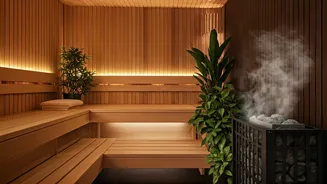
programs designed to do more than just provide a bed. These aren't your average getaways; they are immersive experiences built entirely around the science and ceremony of rest. From multi-day 'sleep bootcamps' at exclusive resorts to dedicated 'sleep suites' in urban hotels, the concept is taking hold. Guests might check in for a consultation with a sleep specialist, participate in guided yoga nidra (yogic sleep), or follow a personalized itinerary of sleep-inducing meals and therapies. The goal isn't just to help you sleep well while you're there, but to re-educate you on how to approach rest once you return to your chronically overstimulated life.
What Makes Bedtime ‘Premium’?
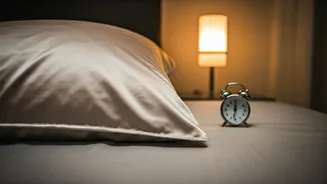
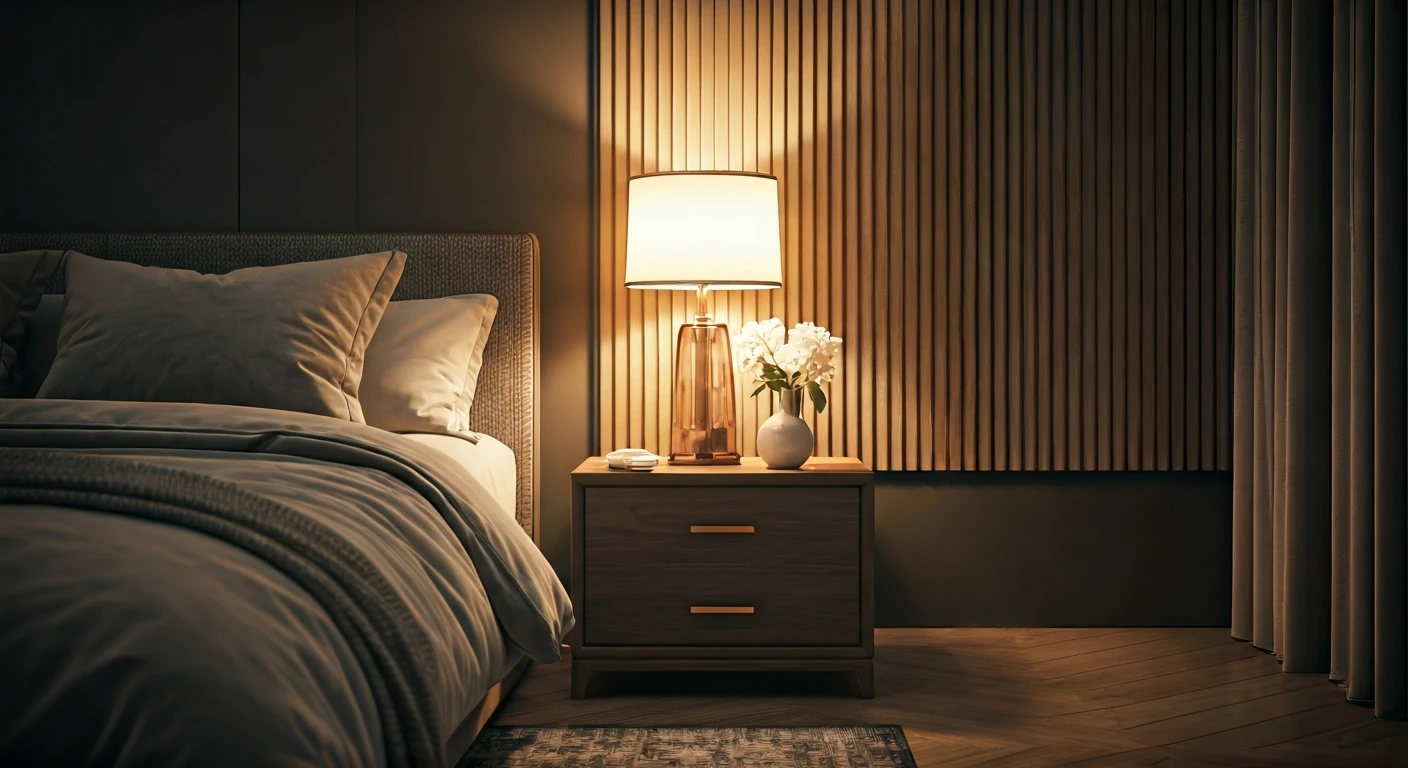
The 'premium' bedtime experience goes far beyond high-thread-count sheets and a mint on the pillow. It’s a sensory, scientific, and almost spiritual affair. At these retreats, every detail is considered. Rooms are often tech-free zones, encouraging a digital detox hours before bed. Lighting is circadian-friendly, automatically dimming to warm, amber tones as evening approaches. Guests may be offered a 'pillow menu' to find the perfect match for their sleeping style, or enjoy an aromatherapy diffuser pre-loaded with calming scents like lavender and chamomile. The experience extends to the menu, with chefs crafting dinners rich in sleep-promoting ingredients like magnesium and melatonin. Some programs even offer advanced tools like AI-powered beds that adjust firmness throughout the night or wearable trackers to provide detailed data on your sleep cycles. It’s about transforming bedtime from a passive collapse into an active, celebrated ritual.
An Antidote to an Always-On World
This trend didn't appear in a vacuum. It’s a direct response to a culture of burnout, where 'hustle' is glorified and rest is seen as a weakness. For millions of Americans, the boundary between work and home has evaporated, our brains are saturated with information from glowing screens, and true downtime feels like a distant memory. We optimized our diets with organic kale and our fitness with high-intensity interval training. Now, sleep is the final, unconquered frontier of personal wellness. After years of treating it as a necessary inconvenience—something to be hacked or minimized—we're finally recognizing it as a foundational pillar of health. These retreats are capitalizing on that collective realization. They offer a structured escape, a permission slip to unplug and prioritize the one thing modern life seems designed to steal from us: deep, restorative rest.
Bringing the Five-Star Bedtime Home
While a week-long sleep retreat might not be in everyone’s budget, the principles behind them are surprisingly accessible. The core lesson is about intentionality. Start by creating your own 'wind-down' hour before bed, free from screens. Swap the blue light of your phone for a physical book or a relaxing playlist. Make your bedroom a sanctuary dedicated only to sleep and intimacy—no work emails, no television. Consider small upgrades that create a sensory experience, like blackout curtains to ensure total darkness, a white noise machine to block out disturbances, or a calming pillow spray. The most powerful tool is consistency. By going to bed and waking up around the same time each day, you regulate your body's internal clock. You don't need a sleep concierge to reclaim your nights; you just need to treat your bedtime with the same respect a five-star resort would.