


The Great Indian Food Transition
For generations, the foundation of the Indian diet has been built on refined grains—primarily polished white rice in the south and east, and wheat-based breads like roti and naan in the north and west. While delicious and culturally significant, this
dietary pattern has often been low in dietary fiber. But that's changing, and fast. The new Indian plate is increasingly dotted with ancient grains, fortified flours, and a dazzling array of products marketed with a single, powerful buzzword: 'high-fiber.' This isn't just a niche trend for health fanatics in Mumbai or Bangalore; it's a nationwide shift reflecting deep changes in India's economy, public health, and national identity.
A Perfect Storm of Health and Wealth
So, why now? The fiber boom is the result of a perfect storm. First, there's the economic engine. India’s rapidly growing middle class now has more disposable income and is more globally connected than ever. They’re exposed to international wellness trends and have the money to act on them. But this newfound prosperity has a dark side. Urbanization and more sedentary lifestyles have led to an explosion of lifestyle diseases. India is often called the 'diabetes capital of the world,' with staggering rates of Type 2 diabetes, obesity, and heart disease. Doctors and public health officials are urgently recommending dietary changes, and 'add more fiber' has become a national health mantra. This has created a massive, motivated market of consumers actively looking for healthier choices.
The Millet Revolution
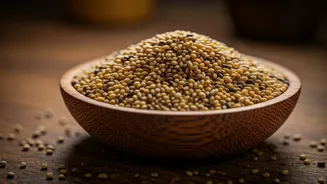
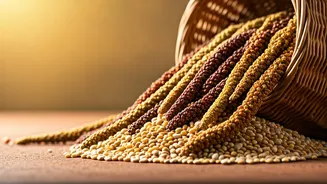
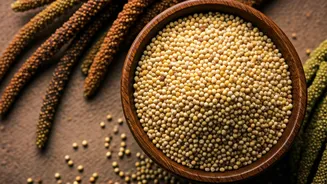
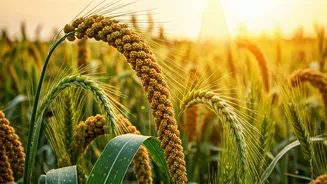
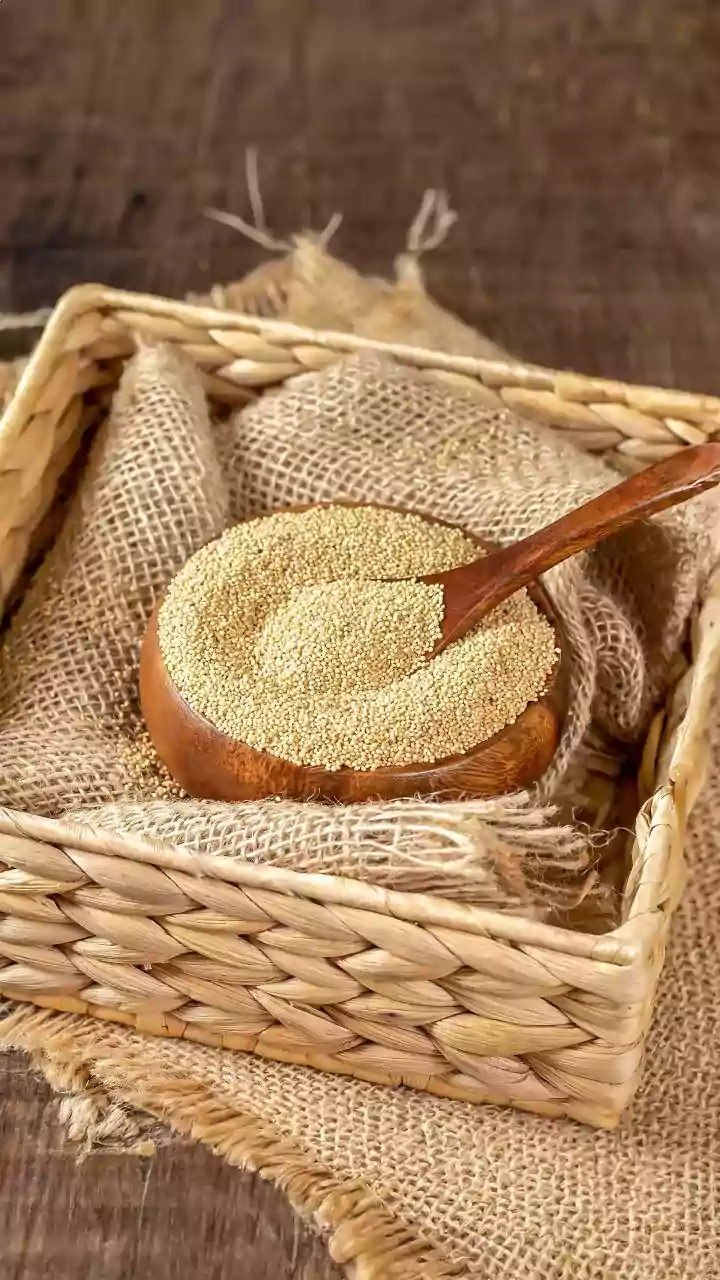
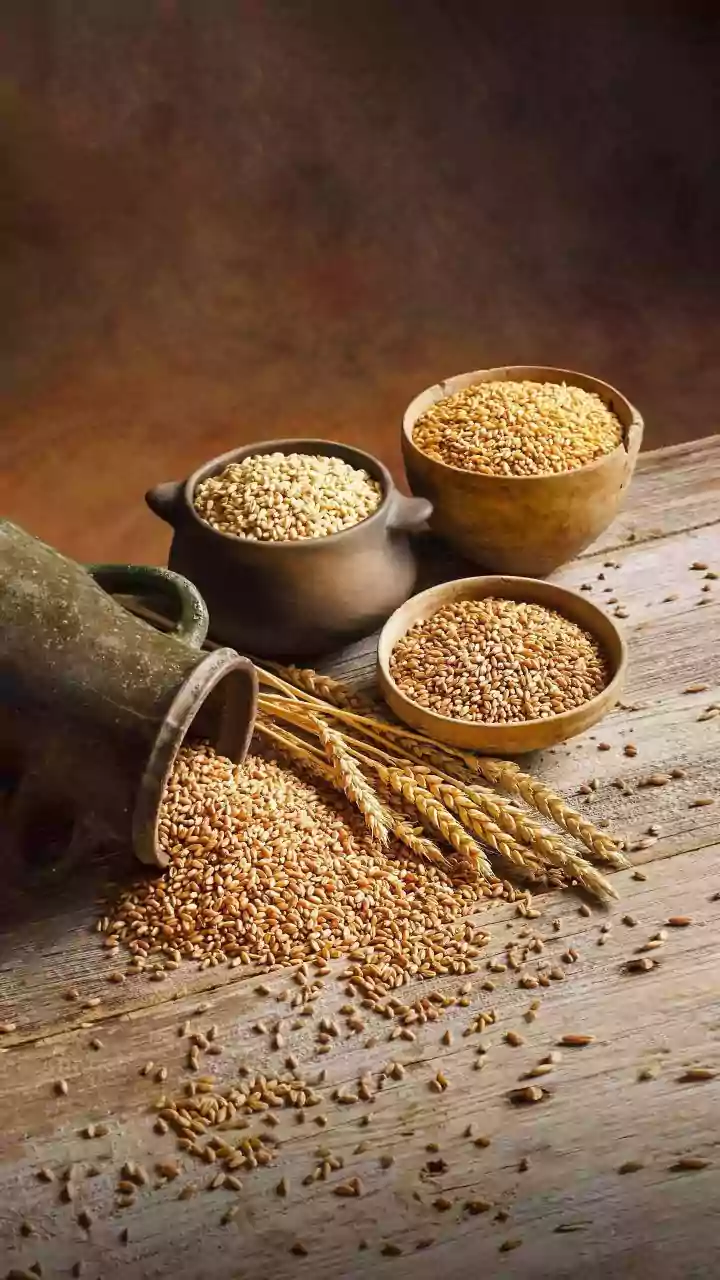
A key player in this fiber-forward movement is a humble group of ancient grains: millets. Varieties like jowar (sorghum), bajra (pearl millet), and ragi (finger millet) were once staples in rural India but were sidelined for decades by the government-subsidized dominance of wheat and rice. Now, they are making a spectacular comeback as 'superfoods.' Naturally gluten-free, high in protein, and packed with fiber, millets are perfectly positioned for the modern health-conscious consumer. The Indian government has thrown its full weight behind this revival, championing millets as a solution for both national nutrition and farmer prosperity. At India's behest, the United Nations even declared 2023 the 'International Year of Millets,' giving these grains a global stage and cementing their status as a cornerstone of India's new dietary era.
Big Business Smells an Opportunity
Where there's a trend, there's a market, and the business world has taken notice. Shelves in Indian supermarkets are now overflowing with high-fiber options. Local startups and direct-to-consumer brands are launching millet-based breakfast cereals, ragi-flour cookies, and quinoa puffs. At the same time, global food giants like Nestlé, PepsiCo, and Kellogg's are reformulating existing products and launching new ones, such as 'oats for India' and atta (wheat flour) fortified with oats and other fibers. This has created a hyper-competitive landscape where 'high in fiber' is one of the most valuable claims a product can make, transforming the packaged food industry and influencing everything from morning breakfast to evening snacks.