
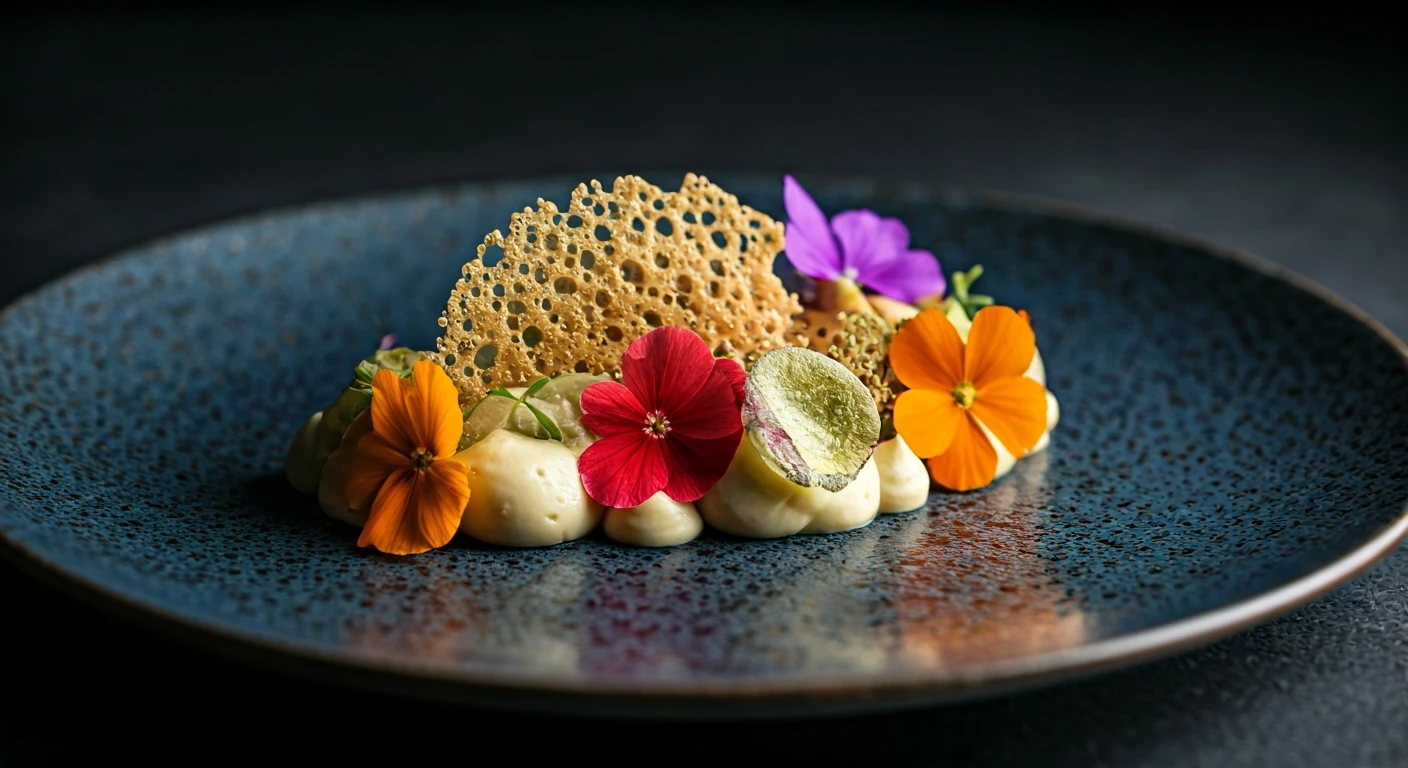
The New Vanguard of Flavor
For decades, the pinnacle of Asian fine dining has been dominated by the exquisite traditions of Japan, the fiery elegance of Thailand, and the sophisticated Cantonese fare of Hong Kong. Indian food, for all its global popularity, was often relegated
to the realm of comfort-food buffets and neighborhood take-out. But a culinary revolution is underway. A new generation of highly skilled, ambitious Indian chefs is stepping into the spotlight, armed with global techniques, a deep respect for regional traditions, and a burning desire to shatter stereotypes. They are not just cooking; they are curating experiences, telling stories on a plate, and proving that Indian cuisine can be as refined, innovative, and surprising as any in the world.
Deconstructing the Classics
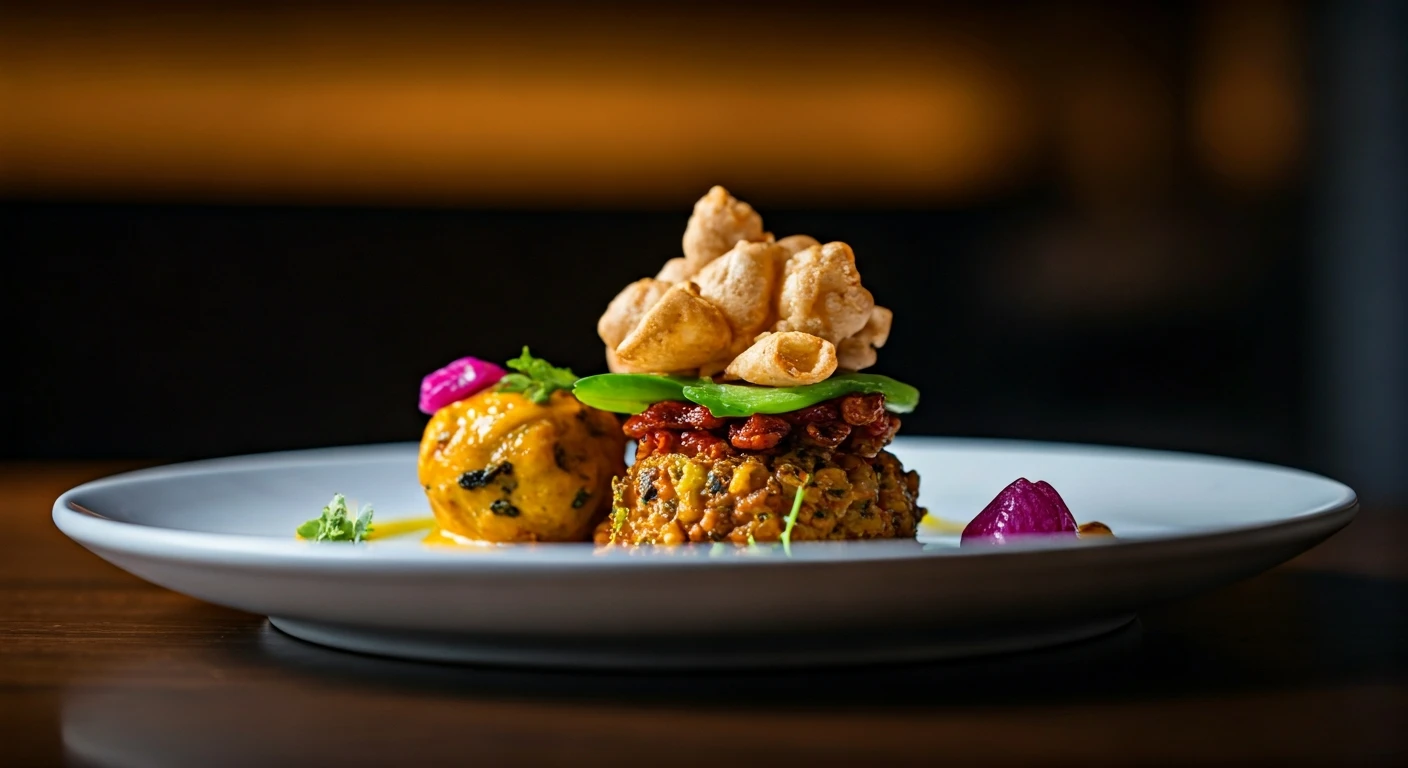
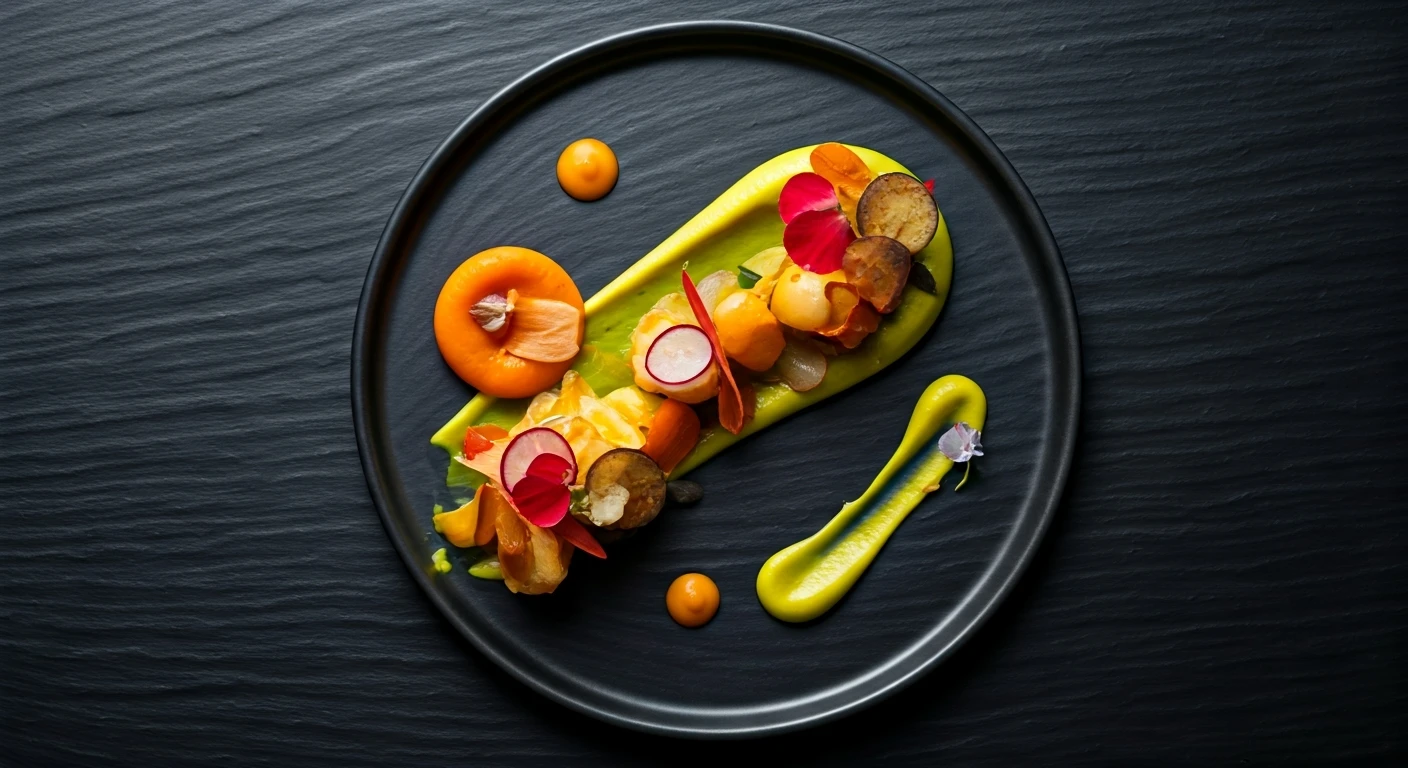
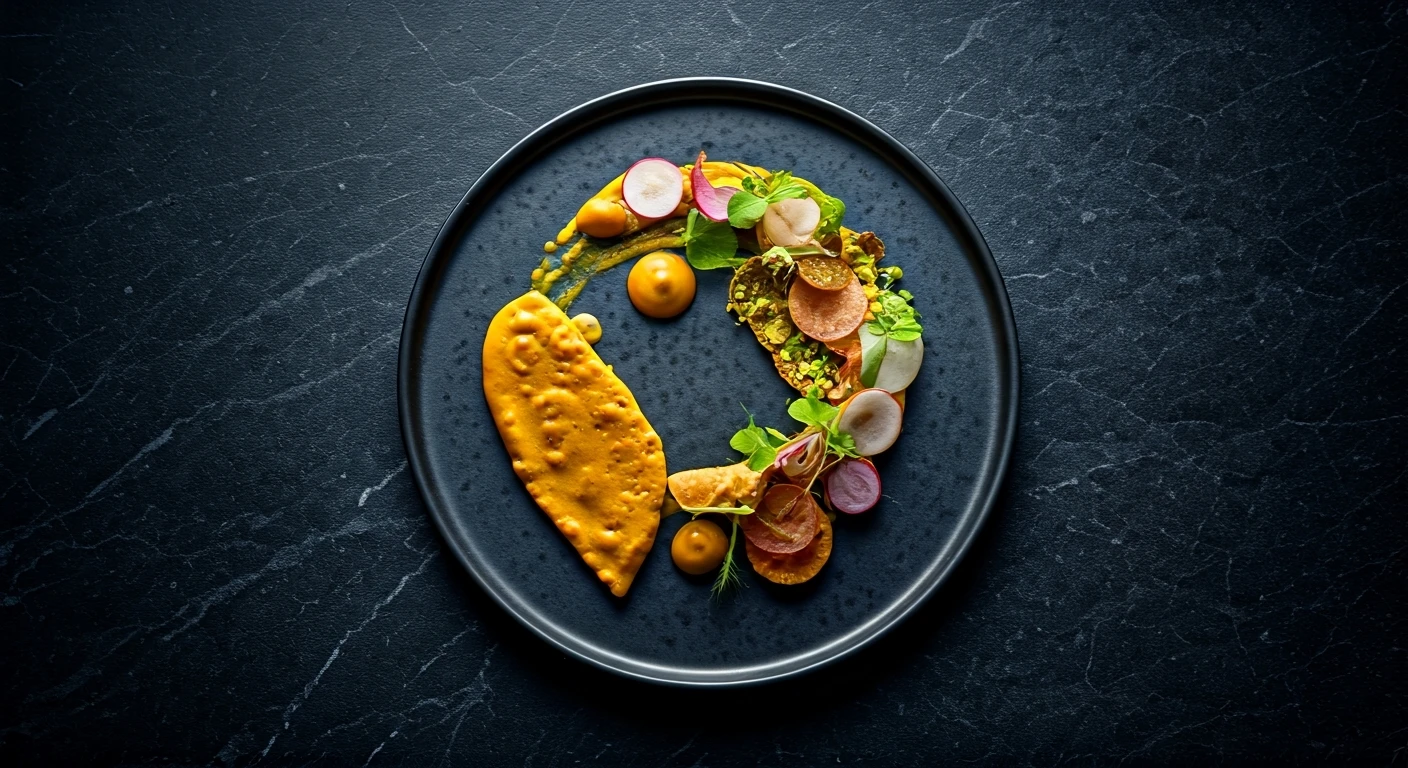
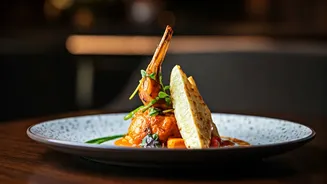
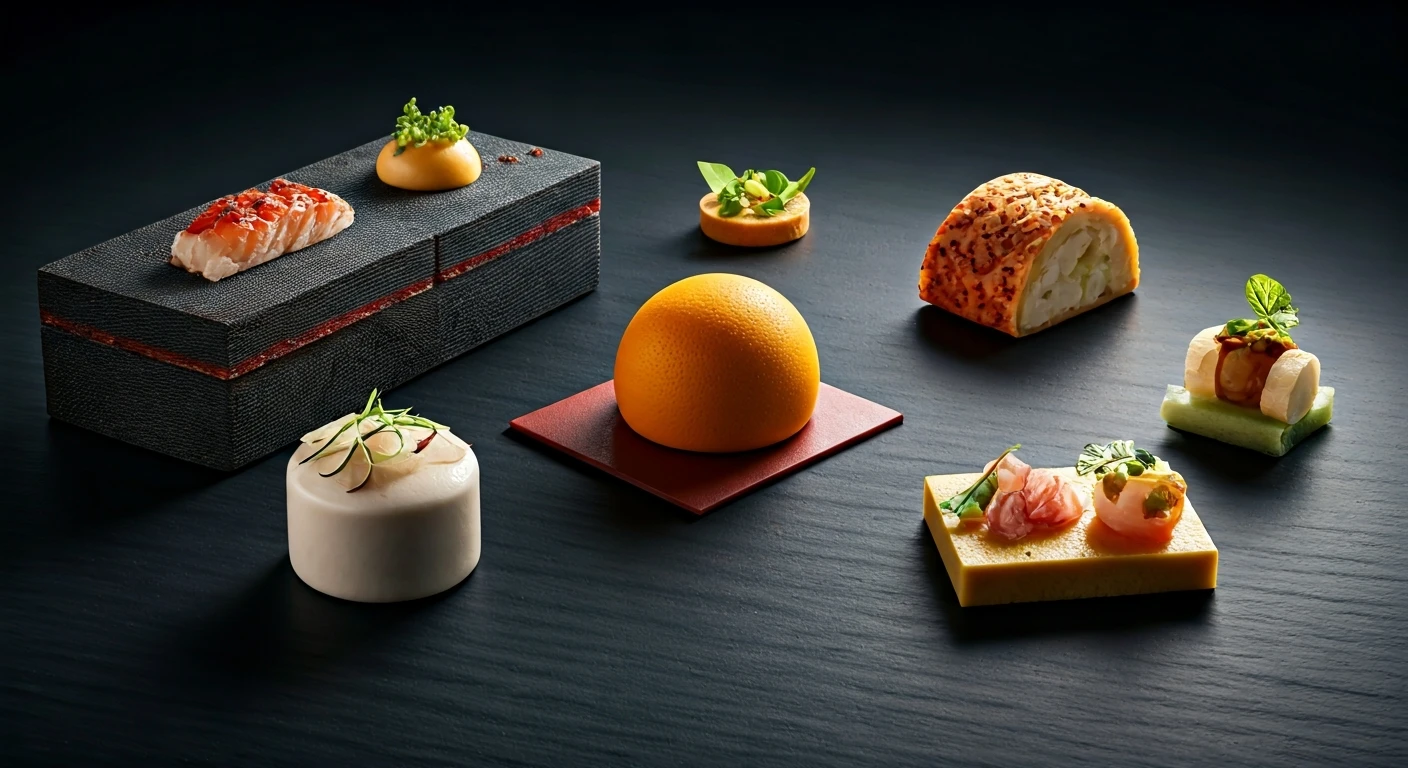
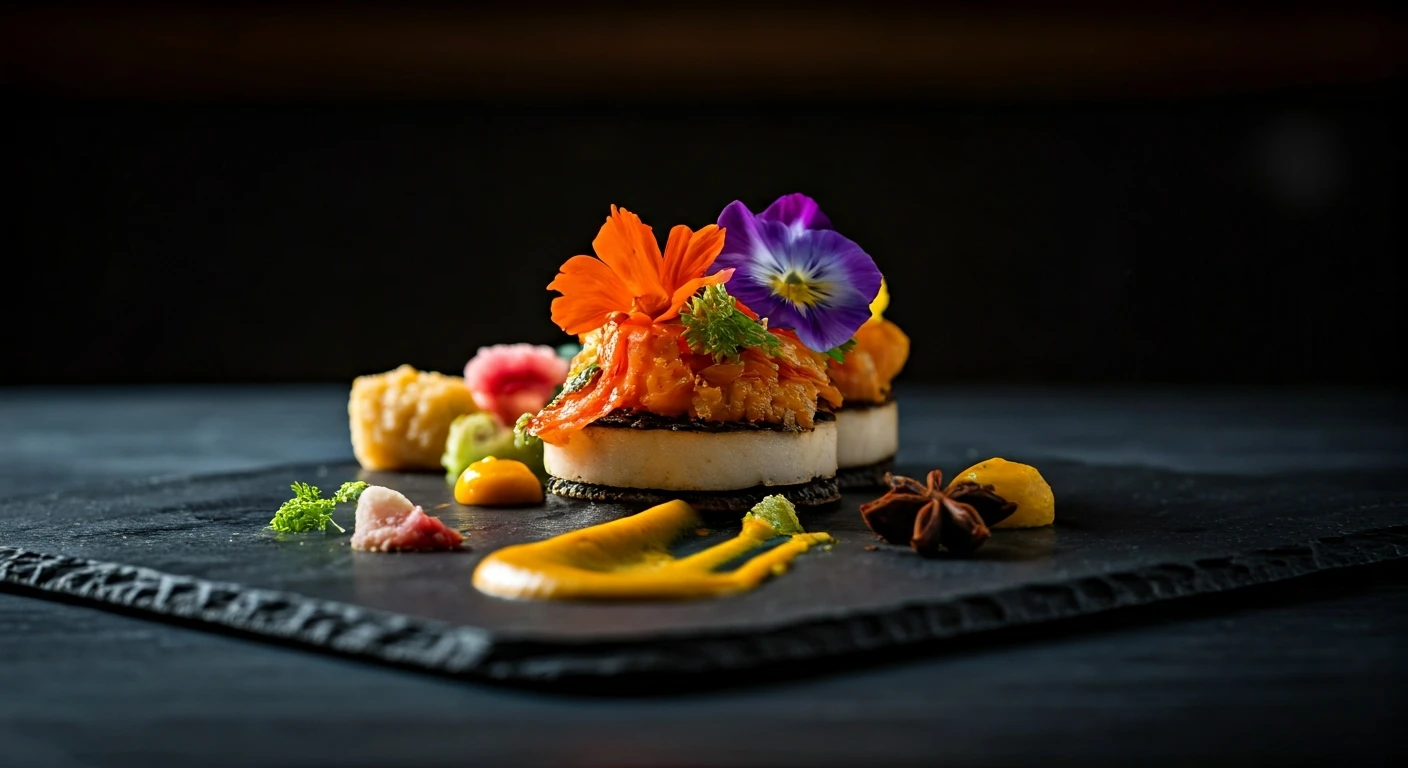
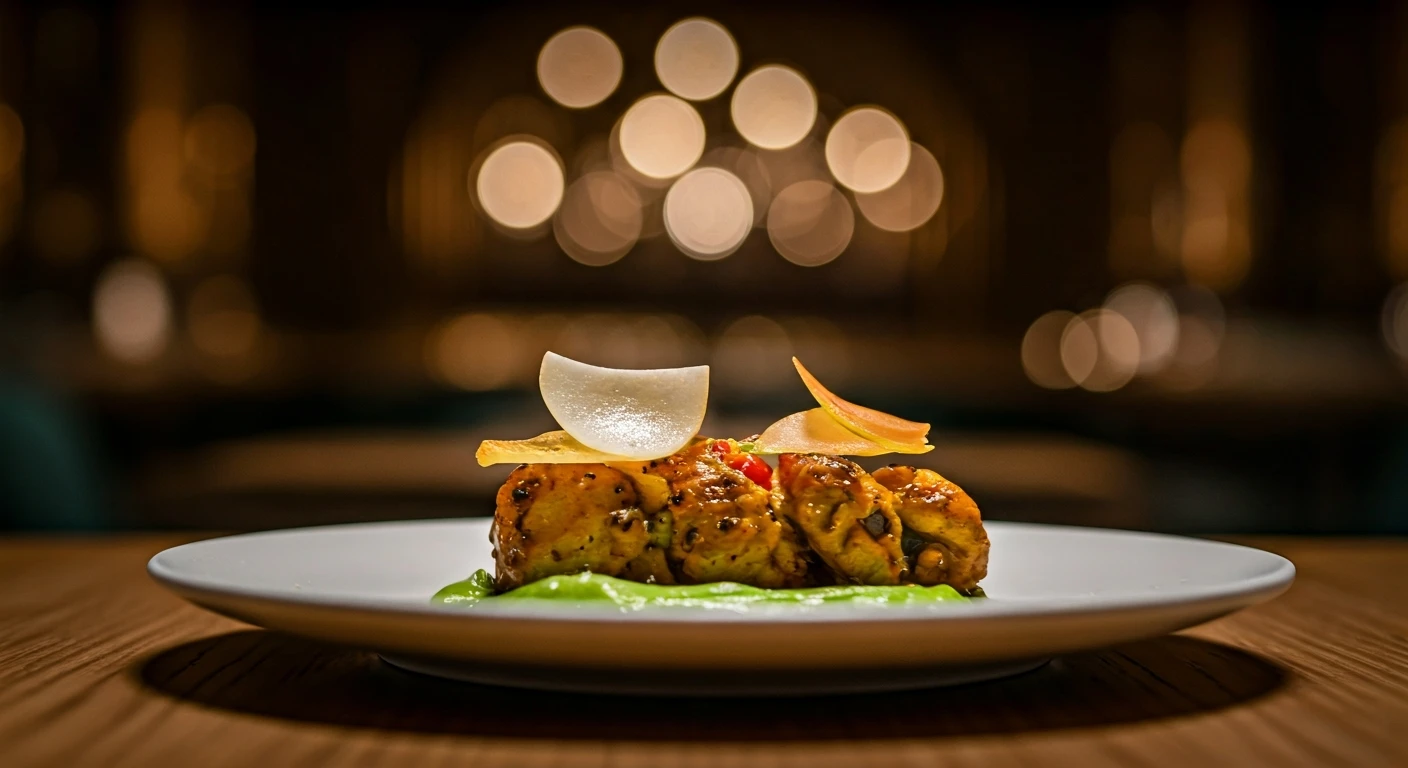
So what does this new Indian cuisine look like? It’s a world away from the homogenous, cream-heavy curries many Americans know. These chefs are diving deep into India’s vast and diverse culinary library, unearthing forgotten recipes from remote villages and royal kitchens alike. They’re championing hyper-local ingredients—Himalayan fiddlehead ferns, pungent Bengali mustard, sour kokum fruit from the west coast—and applying modern gastronomy techniques like fermentation, sous-vide, and spherification to transform them. At Gaa in Bangkok, Chef Garima Arora, the first Indian woman to earn a Michelin star, famously created a tasting menu that explores the connections between Indian and Thai cooking. Think inventive dishes like her signature unripe jackfruit and cheese taco, a mind-bendingly delicious fusion of cultures. In Chennai, the restaurant Avartana presents tasting menus where a familiar South Indian dish like a rasam is served in a coffee syphon, its aromatic steam filling the air before it’s poured.
Earning Global Recognition
This movement isn't just happening in critics’ circles; it's being validated by the most prestigious awards in the industry. Restaurants led by Indian chefs are now fixtures on the influential Asia's 50 Best Restaurants list. Garima Arora’s Gaa earned its first Michelin star just months after opening and has been a critical darling ever since. In New Delhi, Indian Accent, under the guidance of chef Manish Mehrotra, has been a global standard-bearer for years, with its inventive dishes like blue cheese naan and sweet pickle pork ribs. In Singapore, NAE:SA by Chef Louis Han (who is Singaporean but heavily influenced by his travels in India) is blending Indian flavors into his modern framework, earning a Michelin star. These accolades serve as a powerful statement, forcing the global food community to sit up, take notice, and reconsider what Indian food can be. They are no longer just participating; they are setting the agenda.
Why This, Why Now?
Several factors are driving this renaissance. Many of these chefs trained in the world's best kitchens—from Noma in Copenhagen to The Fat Duck in England—before returning to their roots, eager to apply their new skills to the flavors of their heritage. There's also a growing sense of cultural pride and a desire to present a more authentic, nuanced version of India to the world. Furthermore, today's diners are more adventurous than ever. They crave authenticity and novelty, and they are tired of the same old fine-dining tropes. The intricate spice-building, the regional diversity, and the sheer deliciousness of this modern Indian movement offer a compelling and exciting alternative. It's a perfect storm of talent, timing, and taste.