
1. Soften the Clean Lines
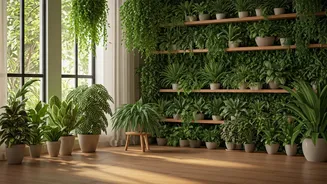
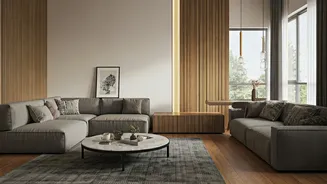
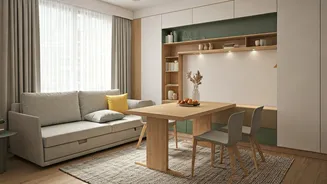
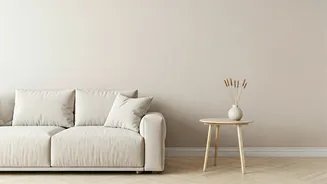
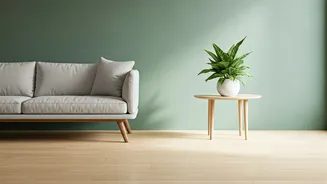
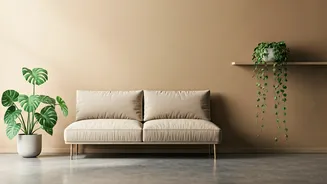
Minimalism is defined by its clean lines, uncluttered surfaces, and neutral palettes. While this creates a sense of calm, it can sometimes feel stark. This is where plants work their magic. The organic, untamed shapes of leaves and stems provide a perfect
visual counterpoint to the sharp angles of modern furniture and architecture. A cascading Pothos (money plant) draped over a concrete shelf or the bold, broad leaves of a Bird of Paradise next to a simple teak console instantly softens the environment. This interplay between the structured and the wild makes a space feel balanced and intentionally designed, not just empty.
2. Create Living Sculptures
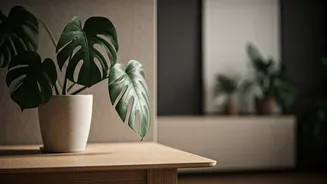
In a minimalist home, every object counts. Instead of filling shelves with knick-knacks, designers are using statement plants as living sculptures. A single, magnificent Fiddle-Leaf Fig in an empty corner commands attention, its large, glossy leaves becoming the room's primary focal point. Similarly, a tall, architectural Snake Plant or a dramatic Monstera Deliciosa can anchor a space, adding height, drama, and a touch of the tropics without adding clutter. Choosing one or two large, healthy plants is a more impactful strategy than dotting many small ones around, maintaining the 'less is more' philosophy while maximizing visual appeal.
3. A Modern Take on the Courtyard
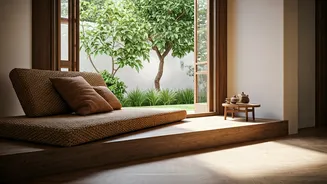
The use of indoor plants in Indian homes is not just a new trend; it’s a modern reinterpretation of a timeless tradition. For centuries, Indian homes were built around a central courtyard, or 'aangan,' a private green space that was the heart of the home. It provided light, ventilation, and a direct connection to nature. In today’s urban apartments, where a private courtyard is a luxury, a cluster of plants on a balcony or a sun-drenched window ledge serves a similar purpose. It becomes a small, personal oasis, a nod to heritage, and a way to bring that essential element of nature back into a contemporary living environment. Even placing a Tulsi (Holy Basil) plant in a well-lit spot connects a modern home to deep cultural roots.
4. Use Terracotta and Natural Textures
The pot is just as important as the plant. In the context of Indian minimalism—which often features warm woods, stone, and handwoven textiles—natural planters are key. Simple, unglazed terracotta pots add an earthy, rustic warmth that complements both the greenery and the minimalist decor. Their reddish-brown hue provides a beautiful contrast against white walls or grey concrete floors. Beyond terracotta, planters made from ceramic, jute, or burnished metal can add subtle layers of texture. Grouping pots of varying sizes and materials creates a curated 'plant vignette' that feels sophisticated and personal.
5. Choose the Right Plant for Your Space
The success of this look depends on choosing plants that will thrive. Not all homes are flooded with sunlight. For lower-light apartments, hardy choices like the ZZ Plant (Zamioculcas zamiifolia) and the Snake Plant are nearly indestructible and look chic. For bright, sunny spots, an Areca Palm adds a lush, tropical feel. For shelves and bookcases, trailing plants like the Money Plant (Epipremnum aureum) or String of Pearls are perfect for adding a cascading effect. Before buying, assess your light conditions and your commitment to watering. A healthy, flourishing plant is the ultimate decor piece; a sad, wilting one detracts from the serene vibe you’re trying to create.