






The Power of the Micro-Vacation
A micro-vacation is a short, intentional trip—typically one to four nights—designed to provide the mental reset of a longer holiday without the logistical headache. The science supports it: studies show that even brief breaks from our daily routines can
decrease stress, improve focus, and boost overall well-being. The key is detaching completely. Unlike a long weekend spent running errands, a micro-vacation is about immersion in a new environment. It short-circuits the burnout cycle by creating psychological distance from work, giving your brain a genuine opportunity to recover. The lower cost and reduced planning time also make these trips repeatable, allowing you to build a sustainable habit of rest rather than waiting for one big annual release valve.
Hidden Gem Type 1: The Secluded Mountain Cabin
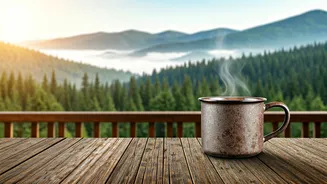
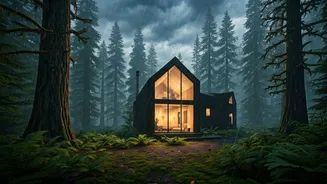
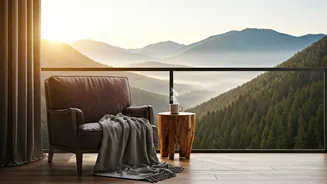
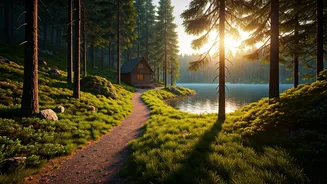
Forget crowded national parks. Think smaller, quieter ranges and forest preserves. Destinations like the Catskills in New York, the Shenandoah Valley in Virginia, or the woods around Idyllwild, California, offer true solitude. The goal here is disconnection. Rent a small cabin with a fireplace or a porch with a view. Spend your three days hiking on less-trafficked trails, reading a book without interruption, and simply breathing in the fresh air. The agenda is to have no agenda. Waking up to the sound of birds instead of an alarm, and seeing a canopy of stars instead of city lights, can recalibrate your entire nervous system. It’s a powerful reminder that a world exists outside your inbox.
Hidden Gem Type 2: The Overlooked Coastal Town
When you think of the coast, you might picture packed beaches and tourist traps. Instead, seek out the quieter shorelines. Explore the rugged, dramatic coastline of Oregon, the charming lakeside towns on Michigan's 'Third Coast,' or the historic, moss-draped communities of Georgia's Golden Isles. These places offer a different kind of coastal experience. A three-day trip could involve beachcombing for sea glass on a misty morning, eating fresh seafood at a local-favorite shack, or simply watching the waves from a quiet pier. The pace is slower, the crowds are thinner, and the connection to nature feels more profound. It’s less about a tan and more about a mental tide change, washing away stress and leaving you feeling refreshed.
Hidden Gem Type 3: The Quirky Small-Town Deep Dive
For those who find energy in culture and creativity rather than just quiet, the perfect micro-vacation might be an artsy, historic small town. Look for places with a strong independent spirit, like the desert artist colony of Terlingua, Texas; the Victorian mining town of Bisbee, Arizona; or the beautifully preserved 19th-century architecture of Galena, Illinois. These towns are walkable, filled with unique galleries, antique shops, and one-of-a-kind cafes. You can spend a long weekend exploring local history, chatting with shop owners, and enjoying excellent food without the overwhelming scale of a major city. It's a stimulating but low-stress way to engage your curiosity and feel like you’ve traveled somewhere truly distinct, all within a 72-hour window.
How to Maximize Your Three Days
To ensure your micro-vacation actually beats burnout, a little preparation helps. First, set a firm 'out of office' boundary. Let colleagues know you will be completely unavailable. Second, turn off notifications—all of them. The purpose is to disconnect from the digital tethers that cause stress. Third, plan just enough to feel comfortable, but not so much that your trip becomes a checklist. Book your lodging and identify one or two potential activities, then leave room for spontaneity. Finally, pack light. A duffel bag or a small backpack is all you need for three days, reducing the mental load of a big departure. The less you have to manage, the more your mind is free to relax.