








From Bedroom to Boardroom
For years, the quintessential image of a successful creator was a solo entrepreneur, filming in their bedroom and single-handedly managing their editing, marketing, and finances. While that path remains viable, it’s an incredibly difficult one. Enter
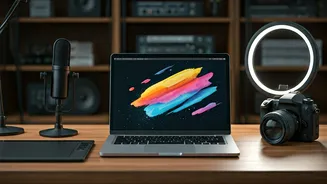
the creator lab. These programs, run by major platforms like YouTube and TikTok or by independent venture firms, are best described as incubators or accelerators for digital talent. They’re not just co-working spaces with good lighting. A creator lab is a structured ecosystem designed to professionalize the craft. They provide physical resources like state-of-the-art studios, cameras, and editing suites that are often prohibitively expensive for an individual. More importantly, they offer the intangible infrastructure that traditional jobs take for granted: mentorship, strategic guidance, and a community of peers.
Solving the Isolation Problem
Anyone who has worked from home understands the potential for loneliness, but for creators, it’s an occupational hazard baked into the job description. Their work involves being constantly “on” for a digital audience while often being physically alone for hours on end. This isolation breeds creative burnout, anxiety, and a paralyzing sense of ‘what’s next?’ Creator labs directly address this by fostering a cohort-based community. Suddenly, the YouTuber struggling with a new algorithm has a dozen other creators in the room to bounce ideas off of. The TikToker who feels creatively tapped out can collaborate on a new series with a peer they just met. This transforms the solitary grind into a collaborative, team-oriented environment, providing the 'watercooler' moments and peer support that are crucial for mental health and creative longevity in any profession.
A Crash Course in CEO 101
Being a great entertainer or a compelling personality doesn't automatically make you a great businessperson. This is the second major gap that creator labs are built to fill. Most creators start because they have a passion for a topic, not because they love negotiating sponsorship deals, deciphering analytics, or understanding tax law. Labs provide formal training on the business of being a creator. Workshops might cover topics like media kit creation, pitching brands, diversifying revenue streams beyond ad-share, and managing finances. They often bring in experts from the platform itself to demystify the algorithm, explain new features, and offer data-driven insights. This is the difference between a viral moment and a sustainable career. The labs equip creators with the skills to treat their channel not as a hobby that makes money, but as a genuine small business.
Why Platforms Are Investing
So why are giants like YouTube and TikTok pouring resources into these programs? It's a strategic investment in their own ecosystem. First, it helps them identify and nurture the next generation of stars. By providing top-tier resources, they increase the production quality and ambition of the content on their platform, making the entire service more attractive to viewers. Second, it’s a powerful retention tool. In a competitive landscape where a top creator could jump to a rival platform, offering this level of support builds loyalty and makes them feel valued. A successful creator who feels supported by a platform is less likely to leave. Finally, professionalizing their creator base makes the platform a safer and more predictable partner for big-money advertisers, who are more comfortable spending on channels that operate like reliable media businesses, not unpredictable solo acts.