






Go Beyond the Basic Forecast
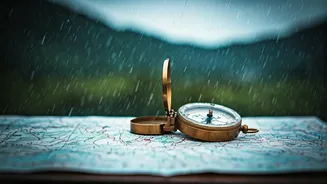
The first mistake most people make is checking a basic 10-day forecast and seeing a row of thunderstorm icons. A data-driven traveler knows this is a rookie move. They understand that in many tropical destinations, “monsoon” doesn’t mean endless, depressing
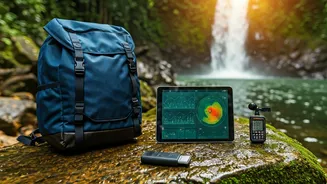
drizzle. It often means a predictable, intense, but brief downpour in the late afternoon, leaving mornings and evenings clear, cool, and gloriously sunny. Instead of Apple Weather, they’re using apps like Windy or Flowx that provide detailed radar maps, hyperlocal predictions, and multiple weather models. They’re not just asking, “Will it rain?” They’re asking, “When will it rain, for how long, and where?” They also dig into historical climate data on sites like Time and Date, which can show month-by-month averages for rainfall, sunshine hours, and humidity. This helps them understand the *character* of a region’s rainy season. A 30-minute storm you can wait out in a café is a completely different travel experience from a week of persistent, chilly rain.
Follow the Money (and the Data)
The most tangible win for monsoon season travel is financial. Airlines and hotels use dynamic pricing, and when demand plummets, so do the costs. But smart travelers don’t just stumble upon good deals; they engineer them. They use tools like Google Flights and Hopper not just for booking, but for research. By setting alerts months in advance, they can watch price trends and pounce when the algorithm hits a low point. They know that the shoulder days—the weeks just before and after the peak rainy period—often offer the best of both worlds: significantly lower prices and more manageable weather. They also use hotel booking sites to gauge occupancy. A search for a luxury hotel in Phuket, Thailand, in July might reveal wide-open availability at 50% off the December rate. This isn’t just a discount; it’s data signaling fewer people, which means more space at the pool, easier dinner reservations, and a more relaxed vibe overall.
Harness the Wisdom of the Crowd
Perhaps the most powerful dataset isn’t from a satellite or a financial report—it’s from other people. Experienced travelers use social media and forums as real-time intelligence networks. A simple search for a location hashtag on Instagram or TikTok, filtered by “Recent,” can provide an immediate, unfiltered look at current conditions. Is that famous viewpoint accessible? Is the water at that beach murky or clear? Are people posting happy travel shots or complaining about closures? Travel subreddits like r/solotravel or country-specific forums are invaluable. Here, you can move beyond simple data points and ask nuanced questions. “I’m heading to Costa Rica’s Osa Peninsula in October,” a user might post. “I know it’s the rainiest month, but I’m a biologist who wants to see frogs. Am I crazy?” The responses from locals and fellow travelers will provide hyper-specific advice that no travel guide could ever offer, often including recommendations for guides who specialize in rainy season tours or specific lodges built to withstand the elements.
Embrace the Silver Linings
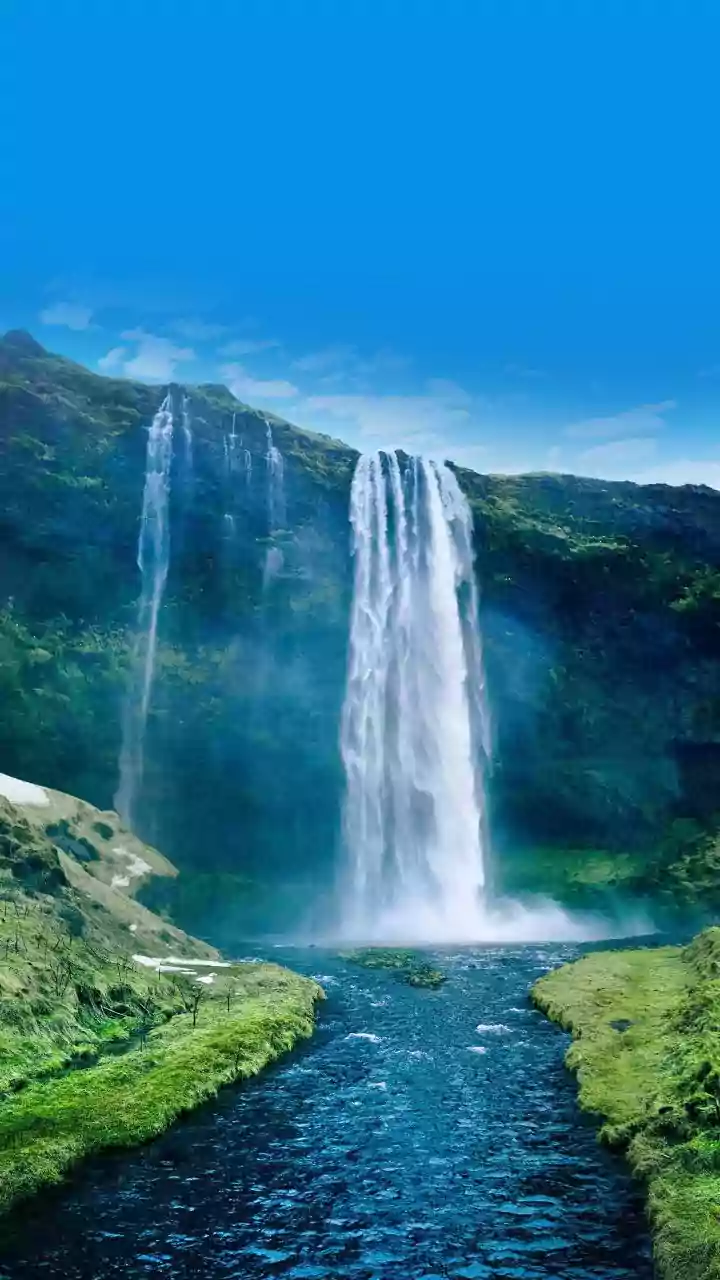
Ultimately, the data-driven approach isn’t just about avoiding downsides; it’s about discovering hidden upsides. The information empowers travelers to see the opportunity behind the perceived obstacle. The rain that scares away the crowds is the same rain that turns landscapes into a riot of lush, vibrant green. Waterfalls that are a mere trickle in the dry season become thundering spectacles. The lower tourist numbers often lead to more authentic interactions with locals, who are less harried and more likely to have time for a genuine conversation. Traveling during a region’s monsoon season can unlock a completely different side of its personality. Think of ancient temples in Cambodia shrouded in mist, the smell of petrichor rising from the Arizona desert after a summer storm, or having a world-famous beach in the Philippines almost entirely to yourself. The data doesn’t just help you get a cheap flight; it gives you the confidence to chase these unique, often more meaningful, experiences.