






The New Calculus of Dining
It’s a subtle but significant shift. Where diners once looked for symbols indicating “gluten-free” or “spicy,” some are now mentally flagging dishes for their environmental cost. This isn’t about a sudden, universal rejection of favorite foods, but rather
a rising consciousness that connects the dots between our plates and the planet’s health. The choice between a beef burger and a black bean burger is no longer just about dietary preference; for many, it’s an environmental decision. This “climate-aware” dining is moving from the fringes to the mainstream, influencing not just individual orders but also how chefs design their menus and how restaurants market their food. It represents a deeper engagement with the food system, turning a simple meal into a statement of values.
From Farm to Fork to Footprint
So what information are these consumers using? It centers on the carbon footprint of food production. The science is increasingly clear: not all calories are created equal in their environmental impact. Ruminant animals, particularly beef and lamb, are significant sources of methane, a potent greenhouse gas. They also require vast amounts of land and water. According to numerous studies, beef production generates many times the emissions of chicken, and vastly more than plant-based proteins like lentils, beans, or tofu. It’s this data that informs the new menu calculus. A steak dinner, in this context, represents a far larger environmental toll than a roasted chicken or a creative vegetable-centric dish. The awareness extends to other areas, too, like the air miles associated with out-of-season produce or the sustainability of certain types of fish.
Decoding the Climate-Friendly Menu
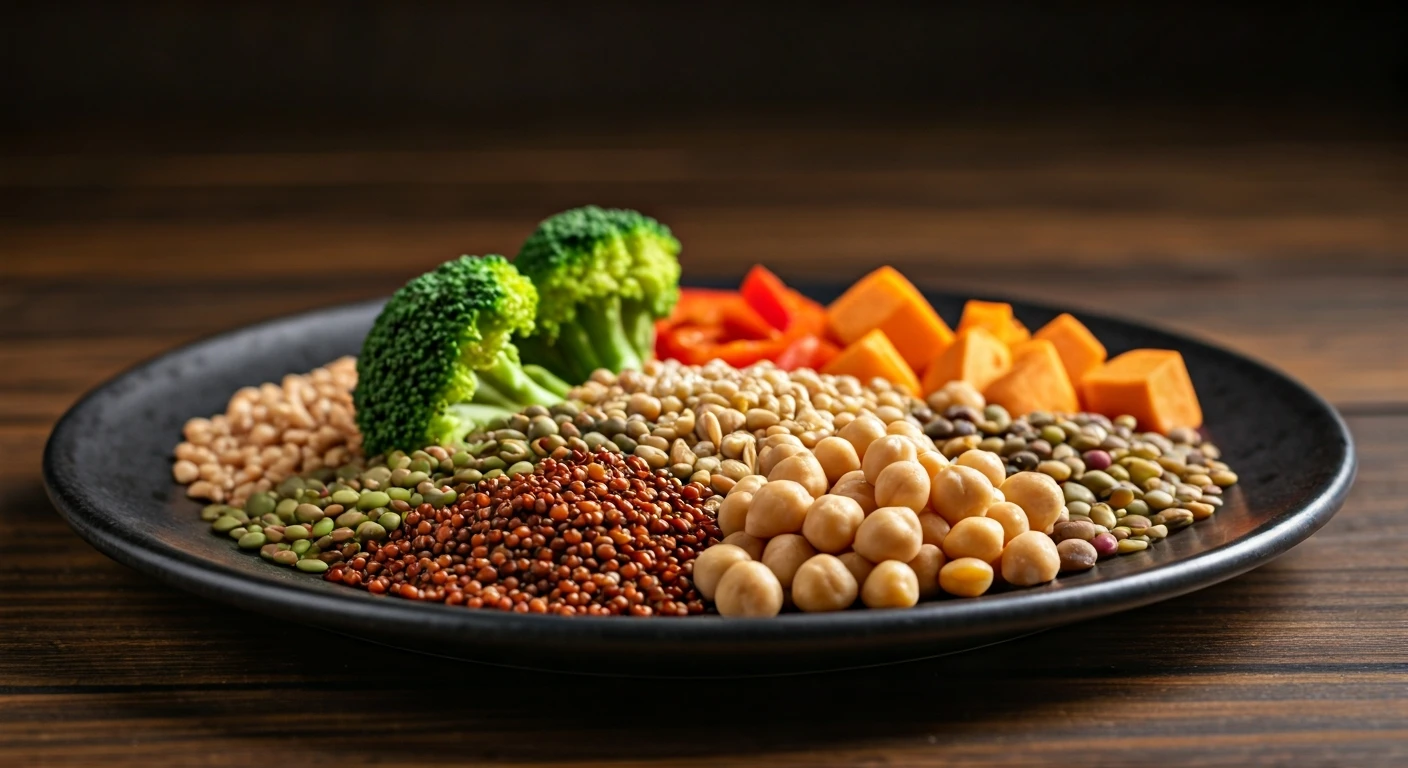
In practice, this means scanning for clues. Climate-aware diners often gravitate toward chicken, pork, or plant-based entrees, seeing them as lower-impact alternatives to beef or lamb. They celebrate menus that put vegetables at the center of the plate, not just as a side dish. The words “local” and “seasonal” have also taken on greater weight, suggesting a smaller transportation footprint and a closer connection to the source. Some diners are also becoming savvy about seafood, learning to favor farmed bivalves like mussels and clams, which can actually have a net-positive environmental impact by filtering water, over species that are overfished or caught using destructive methods. It’s a form of culinary detective work, where the goal is to find the most delicious and least destructive option available.
Restaurants and Chefs Are Responding
The food industry is starting to take notice. Some chains, like Panera Bread and Just Salad, have begun adding carbon labels to their menus, allowing customers to see the emissions impact of their choices at a glance. This transparency is a direct response to consumer demand for more information. Beyond labeling, chefs are increasingly building their reputations on sustainable, plant-forward cooking. Instead of a menu built around a steak, they might feature a whole roasted cauliflower with complex sauces or a rich mushroom ragu that delivers the same satisfying umami. This isn't just about catering to vegans; it's about attracting a broader base of diners who want to eat well in every sense of the word. By making lower-impact food delicious and exciting, restaurants are not just following a trend—they’re accelerating it.