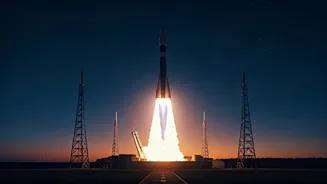









From Government Project to Private Enterprise
For decades, a career in space in India meant one thing: a coveted, stable job at the Indian Space Research Organisation (ISRO). ISRO was the country’s sole player, a government agency responsible for every nut, bolt, and rocket launch. But in a seismic
policy shift starting in 2020, the Indian government threw open the doors to the final frontier. It established a new regulatory body, the Indian National Space Promotion and Authorization Centre (IN-SPACe), with a clear mandate: to nurture and authorize private companies to participate in the entire space value chain. This wasn't just about allowing private firms to build components for ISRO; it was a green light for them to build and launch their own rockets, operate their own satellites, and sell their own space-based services. The goal is to grow India’s share of the global space economy from its current 2% to 10% by 2030, an ambition that requires a massive infusion of private capital, innovation, and talent.
The 'Chandrayaan-3 Effect' on Ambition
The successful moon landing was more than a technical achievement; it was a cultural catalyst. It captured the national imagination in a way few events have, making space exploration tangible, exciting, and, most importantly, a prestigious career path. For a generation of young Indians, the images of scientists celebrating at ISRO headquarters became their version of the Apollo-era inspiration that captivated America. University applications for aerospace engineering have surged. Suddenly, working for a space-tech startup isn't a risky alternative but a front-row seat to history. This “Chandrayaan-3 effect” has provided the crucial human element for the government's policy push. It created a groundswell of enthusiasm and a deep talent pool eager to build the future. Investors, both domestic and international, took notice, seeing a nation that not only had the technical capability but also the political will and popular support to build a world-class space economy.
A New Ecosystem of Startups
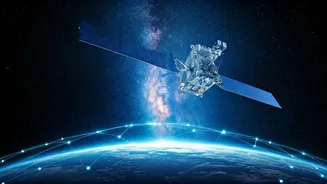
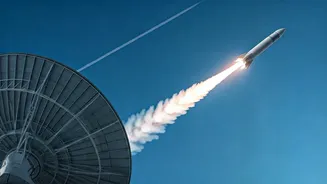
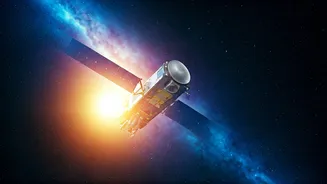
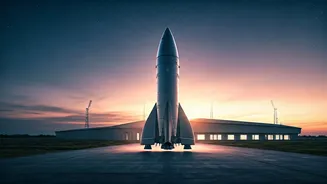
The result of this policy and cultural shift is a Cambrian explosion of space-tech startups. Before 2020, there were just a handful. Today, India is home to over 150, with more launching every month. Companies like Skyroot Aerospace and Agnikul Cosmos are developing their own small-satellite launch vehicles, aiming to provide low-cost, on-demand access to orbit—a service in high demand globally. Another, Pixxel, is building a constellation of hyperspectral imaging satellites to monitor the Earth’s health in unprecedented detail, with applications in agriculture, mining, and climate change tracking. Dhruva Space is focused on building satellite platforms and components. This new ecosystem goes far beyond just launching rockets. It includes firms specializing in satellite data analytics, ground station services, space debris monitoring, and in-orbit servicing. These companies are attracting hundreds of millions in venture capital and, in turn, are on a hiring spree for the nation’s brightest minds.
The Jobs Beyond Rocket Science
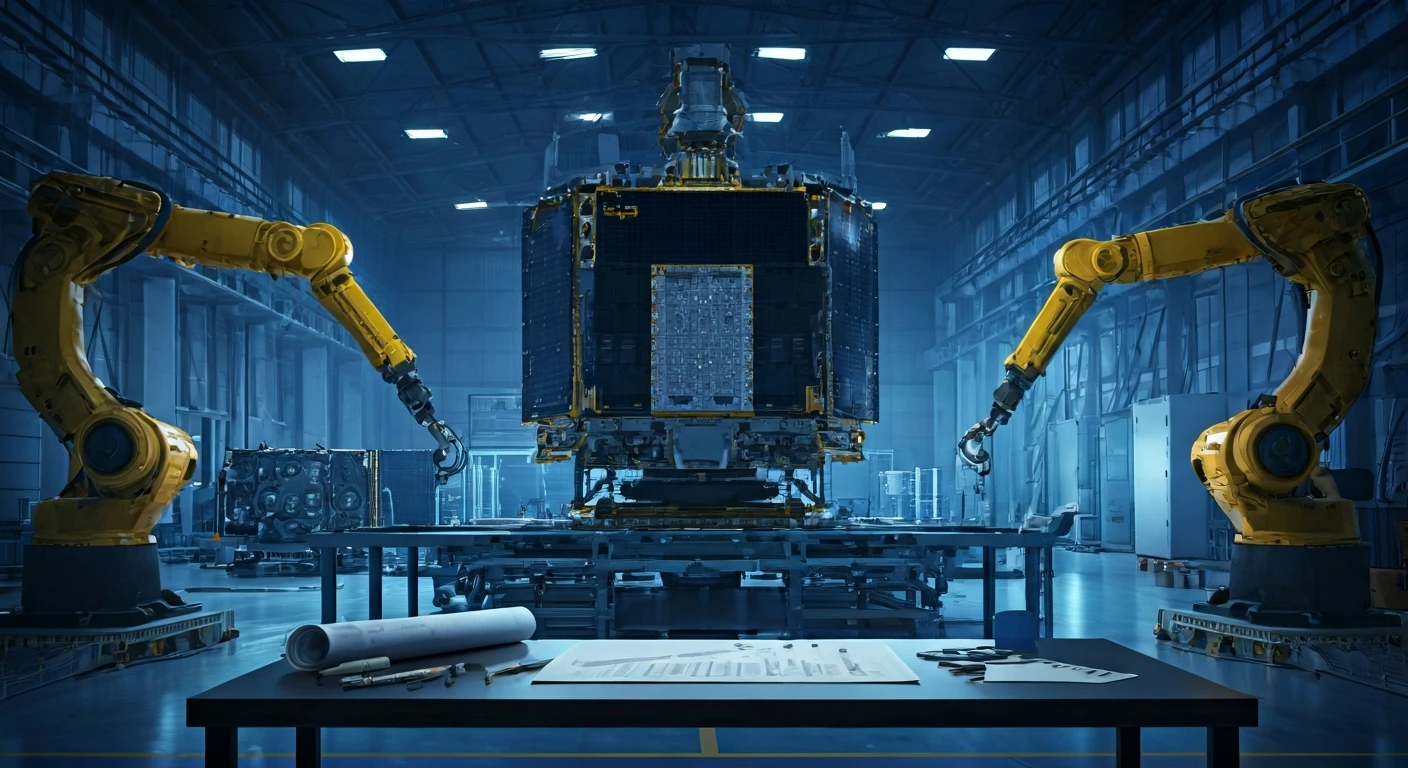
While the image of a space career often conjures up rocket scientists and astronauts, the reality of India's space boom is far broader. The most in-demand roles are often for software developers, data scientists, and AI/ML engineers who can build the platforms to analyze the terabytes of data beamed down from satellites. These startups need mechanical and electrical engineers to design hardware, project managers to oversee complex missions, and business development professionals to sell their services on the global market. The growing industry is also creating a need for specialists in once-niche fields like space law, which governs everything from launch liabilities to satellite registration. This diversification is key to its success. It means that a brilliant coder, a sharp financial analyst, or a creative designer can now find their place in the space industry without needing a Ph.D. in astrophysics, making the dream accessible to a much wider swath of the population.