






From Niche Gadget to Viral Sensation
Not long ago, testing your home’s water or air quality was a fairly involved process, usually prompted by a specific problem like a strange smell or a real estate transaction. Now, it’s a consumer-friendly industry booming on social media. The new wave
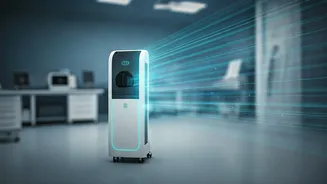
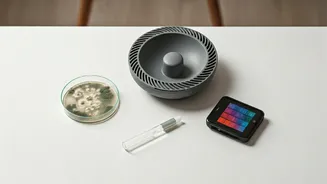
of home purity tests promises simple, immediate, and visually compelling answers to fuzzy anxieties. These range from paper strips that test tap water for lead and chlorine, to beautifully designed smart air quality monitors that track particulate matter (like dust and smoke) and volatile organic compounds (VOCs) from paint or furniture. There are also petri-dish-style kits for detecting mold. The appeal is obvious: for a relatively small price, you get to play scientist in your own home and receive what feels like definitive data about your immediate environment. These products offer a sense of empowerment, transforming abstract fears about invisible contaminants into a tangible number or color on a chart.
The Anxiety Economy at Work
The rise of home purity tests isn't happening in a vacuum. It’s a direct product of the “anxiety economy,” a marketplace that thrives on our desire for control in an uncertain world. The last few years have made many Americans hyper-aware of invisible threats, from airborne viruses to environmental toxins. This has fueled a massive boom in the wellness industry, which increasingly frames the home not just as a sanctuary, but as a potential source of unseen dangers that must be managed. When you see an influencer gasp as a water test strip turns dark gray, the implied message is powerful: your own home could be silently poisoning you, and official sources can’t always be trusted to protect you. Buying a test kit feels like a proactive, responsible step—a way to take personal ownership of your family’s health and safety. It’s less about a specific, evidence-based concern and more about soothing a generalized feeling of unease.
The Spectacle of Self-Diagnosis
The “clickable” nature of these tests is no accident. Their results are tailor-made for the visual, algorithm-driven world of TikTok and Instagram. A slowly developing petri dish or a color-changing strip is boring in real life but can be edited into a dramatic, suspenseful 15-second video with a shocking reveal. The before-and-after format is irresistible: murky water on the left, clear filtered water on the right; a monitor glowing red, then green after an air purifier is turned on. This transforms a mundane diagnostic act into a piece of entertainment. It creates a feedback loop: the more visually dramatic a test is, the more likely it is to go viral, which in turn drives more sales and inspires more people to create their own test content. It’s a form of performative wellness, where the act of testing and sharing becomes a public declaration of one’s commitment to a clean and healthy lifestyle.
A Scientist's Grains of Salt
So, are these tests actually useful? The expert consensus is a firm “it depends.” Many public health and environmental science professionals are wary. While a high-quality air monitor can be useful for tracking things like smoke from wildfires or VOCs during a renovation, the cheaper models can be notoriously inaccurate. Similarly, those viral water test strips are often a blunt instrument. They can produce false positives, leading to unnecessary panic and expensive, unneeded solutions. Experts note that a strip might react to common, harmless minerals and present it as a sign of dangerous contamination. They are generally no substitute for getting your water properly tested by a state-certified lab, which is often a free or low-cost service offered by local water utilities. While a positive result on a home test can be a reason to investigate further, it should be seen as a screening tool, not a final diagnosis. The danger is that consumers are making big decisions based on small, often unreliable data.