


1. Think Vertically, Not Horizontally
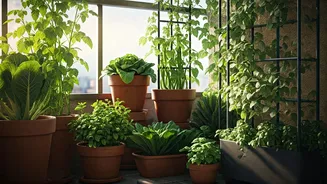
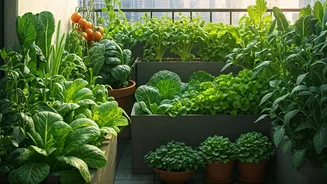
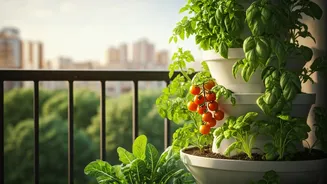
The single biggest shift in balcony gardening is the move upward. Floor space is limited, but vertical space is often abundant. Instead of a few pots on the ground, productive growers use the full height of their outdoor area. This means installing trellises
for vining plants like cucumbers, peas, and pole beans, which happily climb toward the sun. Wall-mounted pocket planters are another game-changer, creating a living wall of shallow-rooted plants like lettuce, spinach, and a wide variety of herbs. Stacking planters, which feature multiple tiers in a single footprint, are also perfect for growing strawberries or a collection of different mints and basils without taking up the whole deck. By going vertical, you can effectively triple or quadruple your growing area.
2. Choose a High-Yield Roster
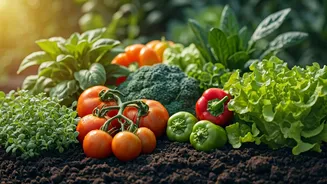
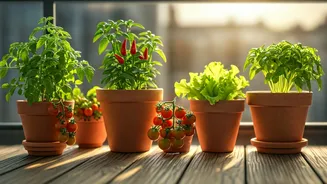
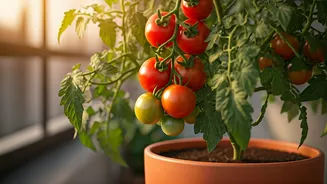
Not all plants are created equal when it comes to container productivity. A single, sprawling zucchini plant might take over an entire small balcony for a relatively modest yield. Smart balcony farmers focus on crops that provide a lot of bang for their buck. 'Cut-and-come-again' leafy greens are a prime example; plants like loose-leaf lettuce, arugula, kale, and Swiss chard allow you to harvest the outer leaves repeatedly while the plant continues to produce from its center. Determinate, or 'bush,' varieties of tomatoes are bred for a compact size and a concentrated harvest, making them ideal for large pots. Similarly, bush beans produce prolifically in containers. Radishes and green onions mature quickly, allowing for multiple planting cycles in a single season.
3. Master the Science of Containers
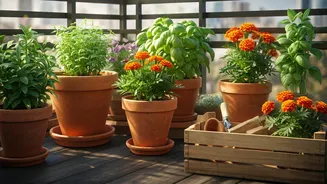
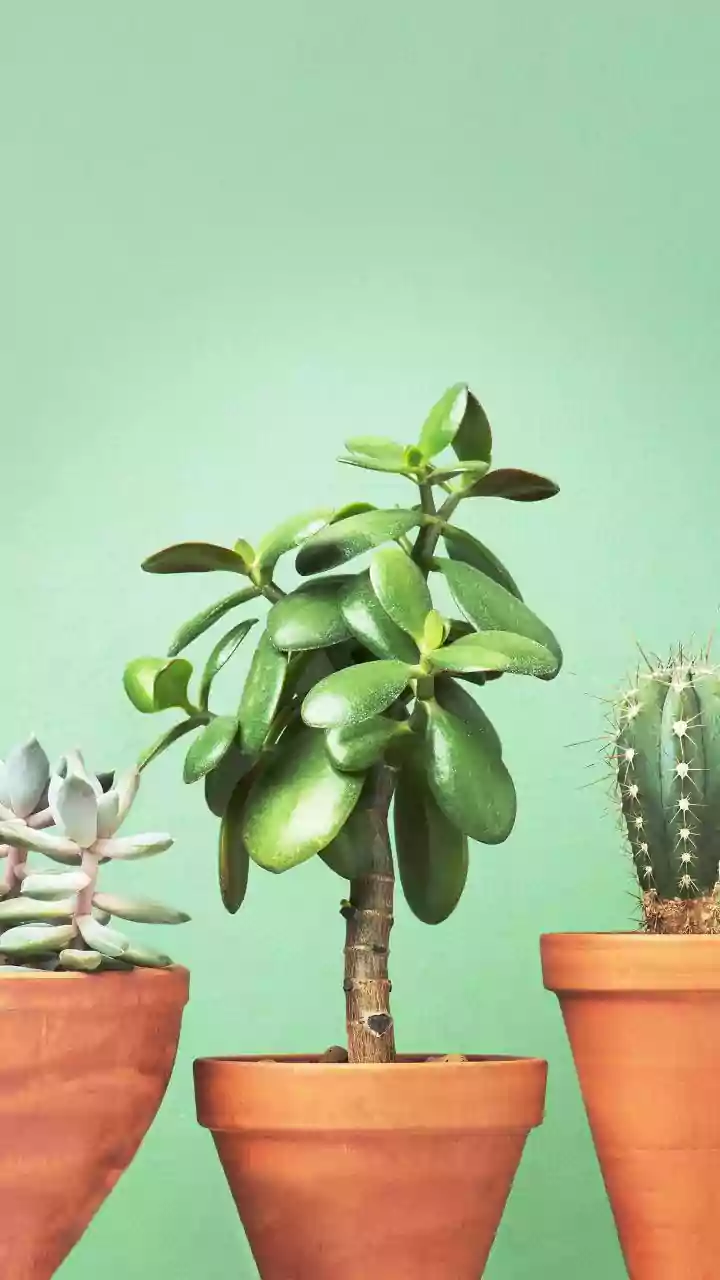
Productive balcony gardens run on good soil and proper drainage. Growers are moving beyond generic potting soil and realizing that container gardening is a unique discipline. The right container is the first step. While terra cotta is classic, it dries out quickly. Many gardeners now prefer glazed ceramic, plastic, or fabric 'grow bags,' which promote healthier roots through air pruning. Bigger is almost always better; larger pots hold more soil, which means they retain moisture longer and provide more room for roots to grow. A high-quality potting mix amended with compost and perlite is crucial. This combination provides essential nutrients, retains water without becoming waterlogged, and keeps the soil light and airy—a trifecta for healthy, productive plants.
4. Embrace Succession Planting
A truly productive balcony garden is never idle. Succession planting is the practice of staggering your planting and harvesting to ensure a continuous supply of food. Instead of planting all your lettuce seeds at once, for example, a savvy grower will plant a new small batch every two weeks. As soon as one crop is finished—like a container of radishes that you've just pulled—that soil is immediately replanted with another fast-growing crop. This technique requires a bit of planning but transforms your balcony from a space with one big harvest into a rolling grocery supply. You can map out a season where cool-weather spring greens give way to summer herbs and cherry tomatoes, which are then replaced by a fall crop of kale or spinach.
5. Make Herbs Your Foundation
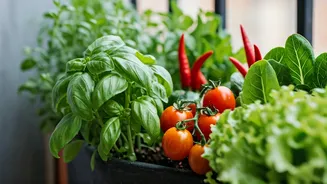
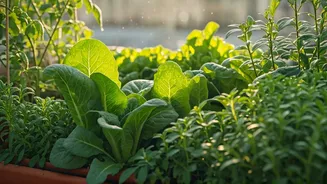
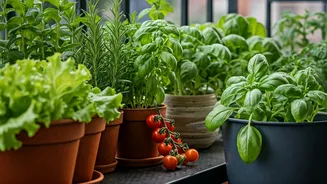
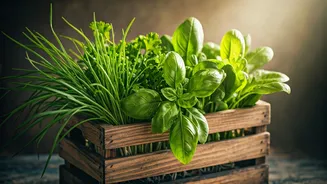
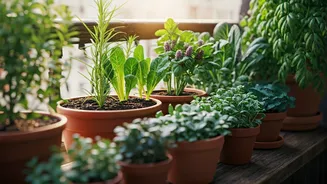
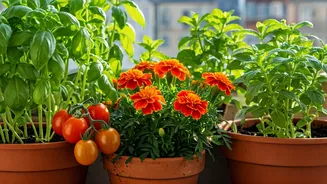
If you're looking for the easiest entry point with the biggest immediate payoff, start with herbs. The difference between fresh and dried herbs in cooking is dramatic, and many are incredibly easy to grow in pots. Basil, mint, rosemary, thyme, oregano, and chives are all forgiving and can thrive even in modest-sized containers. A 'culinary herb' garden provides constant access to fresh flavors, saves money at the grocery store, and builds a gardener's confidence. Many herbs are also perennials, meaning they'll come back year after year with minimal effort. Having a constant supply of fresh basil for pesto or mint for summer drinks is one of the simple, tangible rewards that gets many people hooked on balcony gardening.