


Why the Squeeze Test Isn't Enough
We've all been taught the classic trick for picking ripe fruit: give it a gentle squeeze. If it has a slight give, it’s ready. While this is a decent starting point for a mango, it’s far from the whole story, especially if you’re planning to make juice.
A mango can feel perfectly ripe on the outside while hiding problems within. The most common culprit is internal breakdown that starts near the pit or the stem, which a simple squeeze of the fleshy sides will never reveal. This is particularly true for popular varieties like the Tommy Atkins, which is known for being fibrous and sometimes developing internal issues even when its skin looks flawless. For juicing, you need a mango that is not only ripe but also clean-tasting and free from the off-flavors that come with incipient rot.
Read the Skin Like an Expert
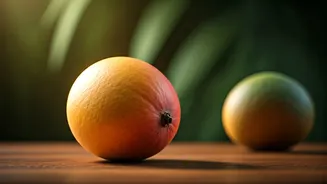
A mango’s skin tells a complex story. Don’t be afraid of a few blemishes, but know which ones are good and which are bad. Small, dark freckles or specks, often called “sugar spots,” are generally a great sign. They indicate that the starches in the fruit have converted to sugar, promising a sweeter flavor. However, you must be wary of large, sunken, or damp-looking black spots. This could be a sign of anthracnose, a fungal disease that creates bitter, unpleasant flavors in the flesh underneath. Run your finger over the spot; if it’s just a surface mark, it might be fine, but if the skin feels soft, indented, or compromised, it’s a major red flag. Similarly, avoid mangoes with wrinkly, shriveled skin. This isn't a sign of sweetness but of dehydration—the fruit is past its prime and will yield less juice with a lackluster flavor.
The Stem End Tells the Truth
If there’s one area to focus on, it’s the stem end—where the mango was attached to the tree. This is the fruit’s most vulnerable point and the primary entry for problems like stem end rot. Gently press the area right around the stem. It should have the same gentle give as the rest of the fruit. If it’s mushy, overly soft, or discolored, put the mango down. This softness indicates that decay is likely creeping down into the fruit’s flesh from the stem. This type of rot can create a sour, fermented taste that will absolutely ruin your juice, no matter how much sugar you add. The problem is insidious because the rest of the mango can look and feel perfectly fine, but the rot working its way from the inside will be the dominant flavor.
Always Trust Your Nose
Your sense of smell is one of the most powerful tools you have for selecting produce. A perfect, ready-to-juice mango will have a distinctly sweet, fragrant, and slightly floral aroma, especially around the stem area. It should smell like you want your juice to taste. If you bring the mango to your nose and get a whiff of something sour, alcoholic, or vaguely chemical, that’s an immediate deal-breaker. These smells are telltale signs of fermentation and spoilage. Even a faint sour note suggests the fruit has begun to turn. Don’t try to convince yourself it will be okay once it’s blended. That flavor will only become more concentrated, resulting in a glass of juice you’ll pour straight down the drain.
The Final Check: After the First Cut
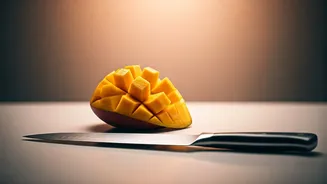
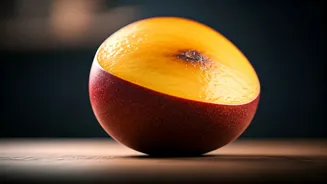
So you’ve done your checks and brought your mango home. The last inspection happens on the cutting board. When you slice it open, the flesh should be a vibrant, uniform golden-orange or yellow color. If you see grayish or brownish streaks, especially radiating from the pit or the stem, the mango is not fit for juicing. These discolored areas will have a mushy texture and a bad taste. Likewise, if the fruit has an excessive amount of tough, stringy fibers, it will make for a gritty, unpleasant juice. While some fibers are normal, a truly fibrous mango is better for eating by hand where you can navigate around the strings, rather than blending them into your drink. If it looks or smells off, it’s better to compost it and start fresh than to waste other ingredients and a lot of effort on bad juice.