




From Stargazing to Star Bathing
At first glance, “star bathing” sounds like another wellness buzzword destined for a short, glittery life. But it’s more than just a rebrand of looking at the night sky. While stargazing can be a casual hobby, star bathing is an intentional, immersive
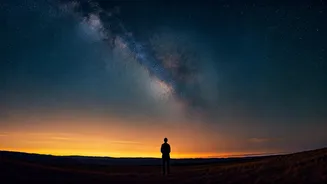
practice. Think of it as the celestial cousin of forest bathing (shinrin-yoku), the Japanese practice of soaking in the atmosphere of the woods. Here, the goal isn’t to identify constellations with an app, but to disconnect from everything on the ground and simply absorb the vastness above. This isn't about amateur astronomy with a dusty telescope in the backyard. Star bathing experiences are curated to maximize a sense of wonder and tranquility. They often take place in remote locations with minimal light pollution and are sometimes guided by experts who help you appreciate the cosmos not just scientifically, but poetically. The emphasis is on stillness, mindfulness, and the profound feeling of being a small part of an immense universe.
The New Currency of Experience
For decades, luxury was defined by material possessions. A Swiss watch, an Italian sports car, a Paris handbag—these were the tangible markers of success. But for a growing segment of the ultra-wealthy, that paradigm has shifted. The new status symbols are intangible: unique experiences, personal transformation, and extreme privacy. Star bathing ticks all these boxes. You can’t exactly post the feeling of awe on Instagram. While a photo of the Milky Way is beautiful, it doesn’t capture the cold desert air, the profound silence, or the perspective shift that comes from staring into deep space. This makes it a “quiet flex.” It’s a statement of wealth and priority that doesn’t scream for attention. It says you have the resources to travel to the world’s darkest corners, the time to disconnect completely, and the inclination to seek meaning over materialism. It’s a flex for an audience of one: yourself.
Where the Elite Meet the Cosmos
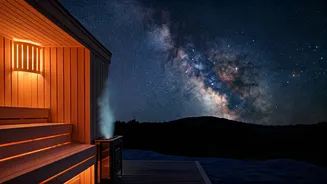
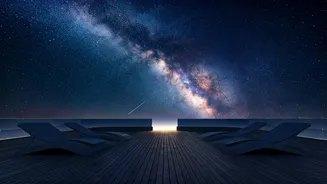
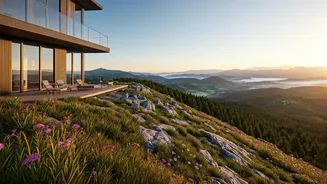
The travel industry has been quick to cater to this rising desire for cosmic connection. Luxury resorts in designated “dark sky” zones—areas certified for their exceptional starry nights—are leading the charge. In places like the Utah desert, Chile’s Atacama, or the Namibian wilderness, high-end lodges are building their entire identities around the night sky. These aren't your typical hotel amenities. We're talking about on-site observatories with research-grade telescopes, resident astronomers who lead guided “sky safaris,” and private butlers who deliver champagne to your open-air “sky bed.” Some properties offer cosmic-themed sound baths, astrophotography workshops, or nighttime dinners under the stars. The experience is meticulously designed to be seamless, comfortable, and utterly transcendent. It transforms a simple view into a multi-sensory luxury event, positioning the universe itself as the main attraction.
A Cure for the Modern Condition
Perhaps the deepest appeal of star bathing is its power as an antidote to modern life. We spend our days staring at screens, bombarded by notifications and conditioned for constant productivity. Our world is bright, loud, and relentlessly demanding. A genuinely dark, quiet night sky offers the opposite. Scientific studies have shown that experiencing awe—the emotion we feel in the presence of something vast and powerful that challenges our understanding of the world—has measurable benefits for mental health. It can decrease stress, foster a sense of connection to others, and encourage humility. Gazing up at a sky blanketed with thousands of stars, a sight most of the world's population can no longer see from their homes, is a primal source of awe. It’s a forced digital detox and a potent reminder of a world beyond our immediate anxieties and to-do lists.