






The Nutrient That Got a Rebrand
For decades, fiber had a PR problem. It was the stuff of grandparents and chalky supplements, associated almost exclusively with “regularity.” While that’s certainly one of its roles, this narrow view overshadowed its vast and varied benefits. Today,
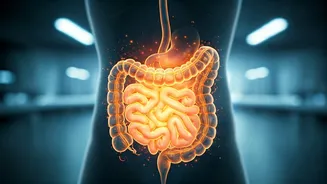
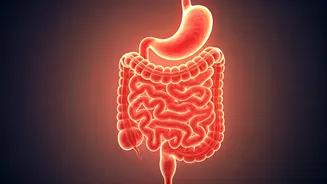
a new wave of understanding, driven by research into the gut microbiome, is putting fiber back in the spotlight. Scientists now see the gut as a complex ecosystem that influences everything from our immune system and mood to our risk of chronic disease. And what’s the favorite food of the beneficial bacteria in that ecosystem? You guessed it: fiber. This shift has transformed fiber from a simple digestive aid into a crucial tool for cultivating a healthy internal environment, making it a star player in modern wellness.
Beyond the Gut: A Full-Body Benefit
The benefits of a high-fiber diet extend far beyond the digestive tract. The U.S. Dietary Guidelines recommend that women aim for about 25 grams per day and men for about 38 grams, yet most Americans get less than half that amount. Meeting that goal can have a profound impact on overall health. Soluble fiber, for example, dissolves in water to form a gel-like substance that can help lower cholesterol levels and stabilize blood sugar, reducing the risk of heart disease and type 2 diabetes. Insoluble fiber, which doesn’t dissolve, adds bulk to stool and helps food pass more quickly through the digestive system. Furthermore, high-fiber foods are often more filling, helping with weight management by promoting a feeling of satiety that can prevent overeating.
Finding Your Fiber: Soluble vs. Insoluble
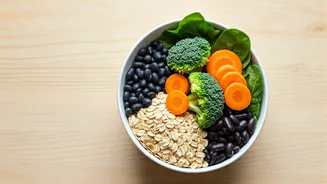
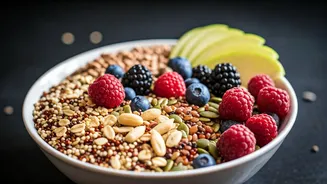
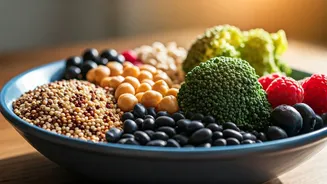
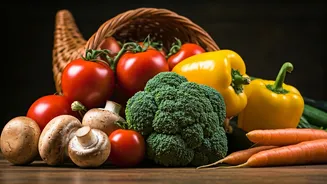
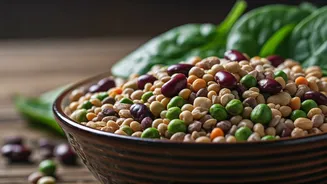
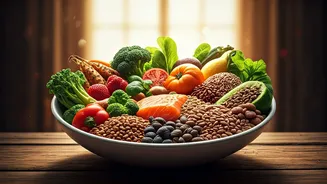
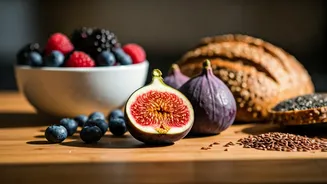
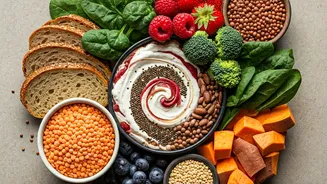
Not all fiber is created equal, but you don't need a nutrition degree to get it right. The two main types, soluble and insoluble, work together and are found in a variety of foods. The key is to eat a diverse diet. **Soluble fiber** is your go-to for heart health and blood sugar control. You’ll find it in abundance in oats, barley, nuts, seeds, beans, lentils, and fruits like apples and citrus. **Insoluble fiber** is the champion of digestive health, keeping things moving smoothly. It’s packed into whole grains, nuts, and vegetables like cauliflower, green beans, and potatoes. Most plant-based foods contain a mix of both, so focusing on whole foods is the simplest and most effective strategy. Think of it less as a clinical requirement and more as a natural benefit of eating more plants.
How to Join the Fiber Comeback
Increasing your fiber intake doesn't have to mean a joyless diet of psyllium husk and steamed vegetables. Today’s fiber comeback is all about delicious, versatile, and convenient options. Start small to allow your digestive system to adapt. Try adding a tablespoon of chia seeds or ground flaxseed to your morning smoothie or yogurt. Swap white rice for quinoa or brown rice. Snack on a handful of almonds, an apple, or some baby carrots with hummus. Embrace “Meatless Mondays” by making lentils or black beans the star of your meal. Even trendy new products, from prebiotic sodas to high-fiber pastas, are making it easier than ever to hit your daily goal without sacrificing flavor.