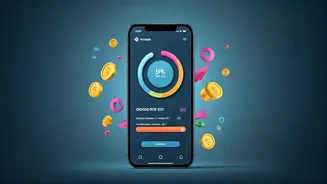







Goodbye, Boring Spreadsheets
For years, the world of personal finance apps felt like a digital chore. Dominated by utilitarian designs that mimicked bank statements or Excel sheets, they were functional but rarely delightful. Their core message often boiled down to a stern lecture:
spend less, save more, and feel a little bit bad about that morning latte. This approach worked for a certain type of hyper-organized user, but it left a massive audience cold—particularly younger generations who grew up with the seamless, aesthetically pleasing, and highly interactive interfaces of platforms like Instagram and TikTok.
Enter the Aesthetic Rebrand
The “glow-up” starts with design. New-wave budgeting apps like Copilot and Monarch Money have rejected the cluttered, data-heavy dashboards of the past. Instead, they offer clean, minimalist interfaces with customizable widgets, dark modes, and pleasing color palettes. The user experience feels less like doing your taxes and more like curating a personal feed. The goal is to make checking your finances an engaging, almost calming, daily habit rather than a stressful, once-a-month reckoning. By prioritizing user interface (UI) and user experience (UX), these companies are betting that if an app is beautiful and intuitive, users are more likely to stick with it. It’s a simple but powerful insight borrowed directly from the playbook of social media and lifestyle apps.
Finance with a Personality
Beyond a prettier face, these apps are fundamentally changing the conversation around money. The most prominent example is Cleo, an app that uses an AI chatbot with a distinctly sassy, sometimes brutal, personality. Instead of a dry notification that you’ve overspent, Cleo might “roast” you for buying yet another coffee. This gamified, conversational approach reframes financial tracking as an interaction with a witty, albeit digital, friend. Other apps integrate social features, allowing users to create shared financial goals with partners or friends, or gamification elements that reward saving with points and badges. This shift acknowledges that for Gen Z, money isn’t just a private, stressful affair; it’s a topic of open discussion, memes, and shared experiences. These apps are meeting young users where they are: online and in conversation.
From Tracking to Financial Wellness
This evolution isn't just about looks and jokes. It signals a deeper shift from simple expense tracking to a more holistic concept of “financial wellness.” Traditional apps told you *what* you spent; these new tools aim to help you understand *why* and guide you toward better habits without judgment. They often use AI to identify spending patterns, predict upcoming bills, and offer gentle nudges toward savings goals. Some, like YNAB (You Need A Budget), have built entire communities around their philosophy, turning a software tool into a lifestyle movement. This approach resonates with a generation that values transparency, mental health, and purpose-driven brands. They don’t just want a calculator; they want a partner that helps them feel in control and less anxious about their financial future.
Why This Trend Matters for Everyone
It’s easy to dismiss this as a niche trend for young people, but it’s a clear indicator of where the entire fintech industry is headed. The success of these youth-focused apps is teaching legacy banks and older financial platforms a critical lesson: user engagement is king. People now expect the same level of design quality and intuitive interaction from their banking app as they do from their favorite streaming service. The principles of personalization, community, and positive reinforcement are proving more effective at building long-term financial habits than shame-based alerts and complicated charts. The glow-up happening in budgeting apps today is a preview of the future of all consumer finance.