
More Than a Turmeric Latte
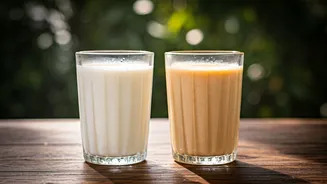
For years, Western wellness has cherry-picked from Indian tradition, most famously with the turmeric latte, or “golden milk.” While haldi doodh is a legitimate home remedy, this narrow focus misses the entire philosophy behind it. The current trend, driven
largely by South Asian creators, goes much deeper. It’s a rediscovery of a holistic system where food is not just fuel but medicine, and digestion is the cornerstone of health. In Ayurveda, the traditional Indian system of medicine, a concept called *agni*, or digestive fire, is central. The goal is to keep this fire strong, and the entire cuisine is built around ingredients and cooking methods that support it. This isn't about one single “superfood,” but about the synergy of spices, the importance of cooked foods, and the rhythm of eating with the seasons.
The Probiotic Power of Fermentation
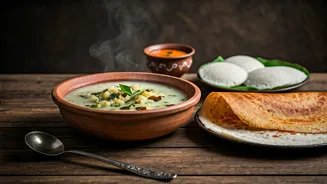
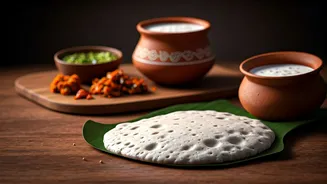
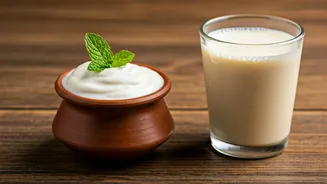
Long before kombucha became a status symbol, Indian households were mastering fermentation. The star players are staples like *dosa* and *idli*, savory crepes and steamed cakes made from a fermented batter of rice and lentils. The fermentation process not only makes these foods light and easy to digest but also enriches them with natural probiotics—beneficial bacteria that support a healthy gut microbiome. Another powerhouse is homemade yogurt, known as *dahi* or *curd*. Unlike many store-bought yogurts loaded with sugar, traditional dahi is a simple, live-culture food eaten daily with meals. It acts as a coolant, a digestive aid, and a potent source of probiotics. Influencers are now showing how to make it at home, connecting a new generation to a practice that has nourished their ancestors for millennia.
Fiber, Pulses, and Spice Blends
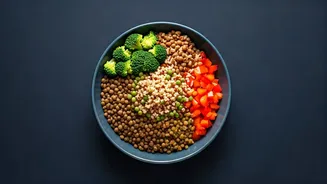
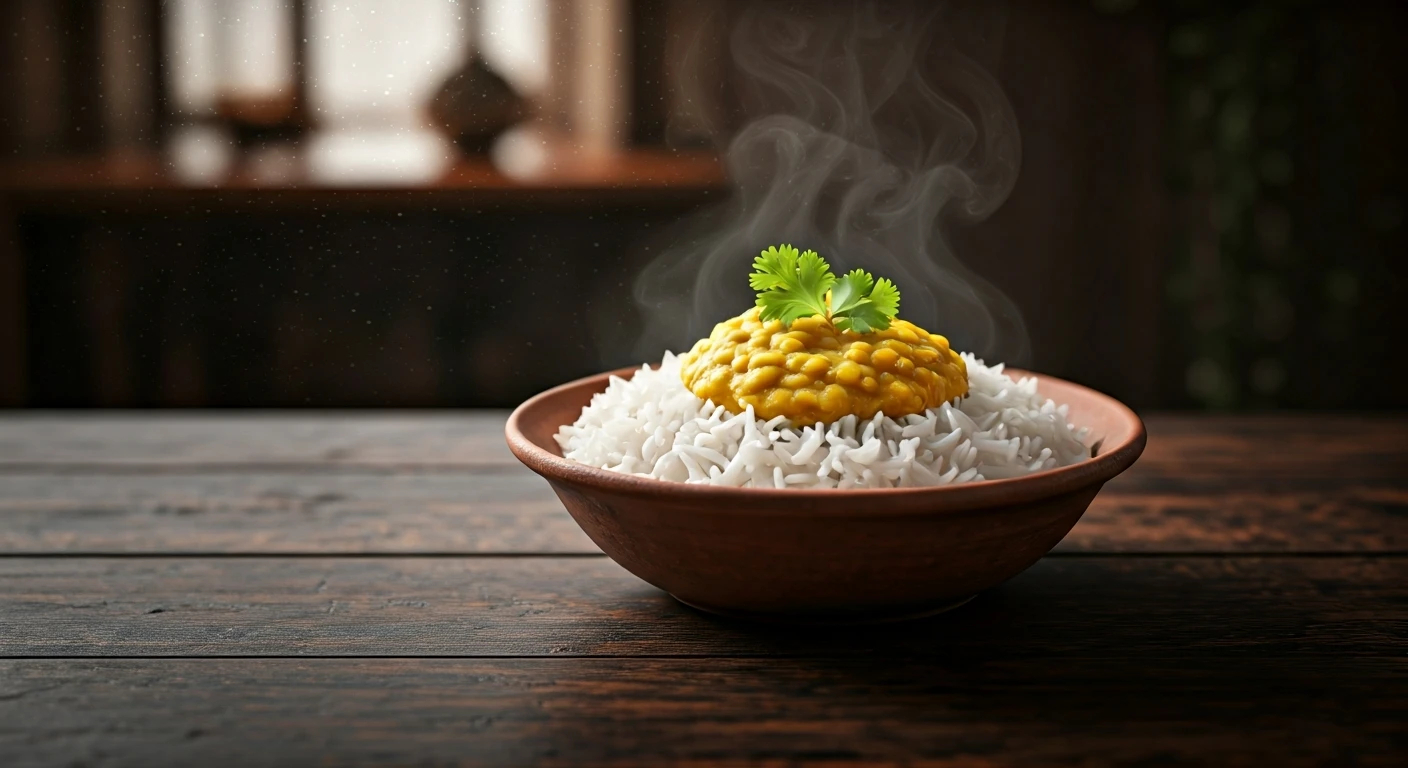
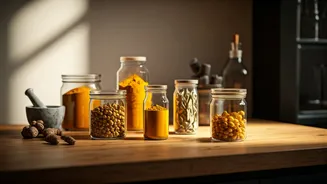
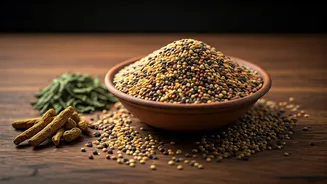
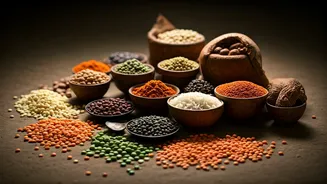
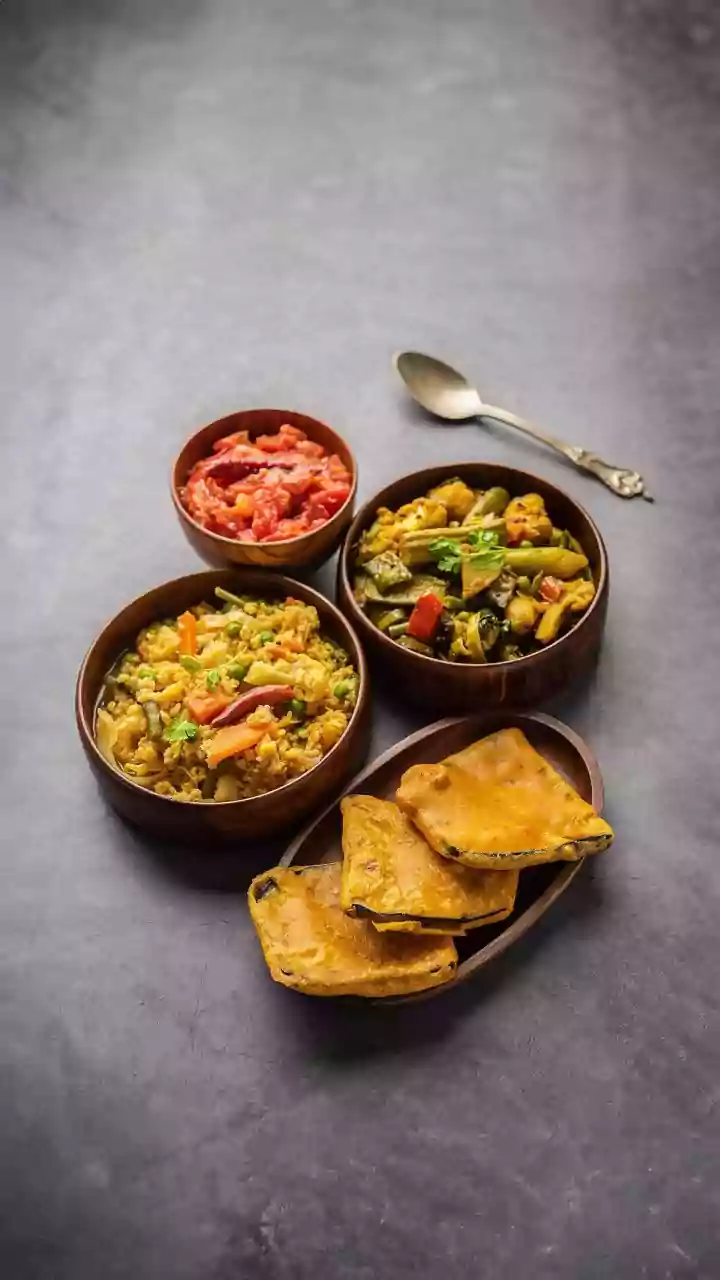
Modern gut-health science emphasizes prebiotic fiber—the food that feeds our good gut bacteria. The traditional Indian diet is naturally rich in it. The foundation of countless meals is *dal*, a comforting stew made from lentils, split peas, or beans. These pulses are packed with fiber and protein, providing sustained energy and a feast for your microbiome. Beyond dal, a vast array of vegetables are used, ensuring a diversity of plant fibers. But the real genius lies in the spices. A *masala* (spice blend) isn't just for flavor. Ingredients like ginger, cumin, coriander, and fennel are known carminatives, meaning they help soothe the digestive tract and reduce gas and bloating. Turmeric, with its active compound curcumin, is a potent anti-inflammatory. These spices are used in careful combination to make even heavy foods more digestible.
Reclaiming the Narrative
Perhaps the most important part of this trend is who is leading it. For decades, Indian food in the U.S. was often typecast as heavy, greasy takeout. Now, a wave of Indian and South Asian American dietitians, chefs, and content creators are taking to platforms like Instagram and TikTok to set the record straight. They are sharing family recipes for simple, everyday home cooking—the kind of food that is inherently balanced and gut-friendly. By explaining the “why” behind their grandmother’s cooking, they are reclaiming their culinary heritage from a wellness industry that has a history of appropriating cultural practices without context. This movement is a powerful act of cultural appreciation, inviting people in not just to eat the food, but to understand and respect the profound wisdom it holds.