





Safety Is Non-Negotiable
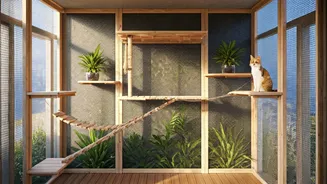
Before you add a single plant or perch, your primary mission is containment. A cat’s curiosity far outweighs its sense of self-preservation, and an open balcony is a serious hazard. The gold standard is a 'catio' (cat patio), a fully enclosed structure
made with sturdy wire mesh or specialized pet netting. The mesh should be small enough that a head can't fit through, and the entire enclosure must be secured to the walls, floor, and ceiling of your terrace with no gaps. If you're a renter, less permanent but equally secure options exist, like freestanding catios or professional netting installations that don't require drilling. Double-check that all materials are weatherproof and that any doors or access points have secure latches.
Lay a Paw-Friendly Foundation
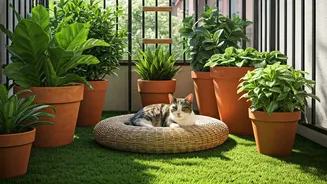
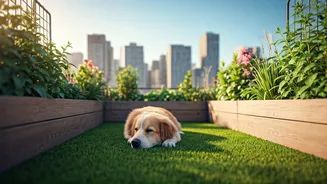
Concrete or metal decking can be harsh and uninviting for sensitive paws, especially on hot or cold days. Soften the space by laying down outdoor rugs or interlocking deck tiles made of wood or composite materials. Artificial turf designed for pets is another excellent option, providing a grass-like texture that’s easy to clean. These surfaces not only add comfort but also define the space as a designated cat zone. Ensure any materials you choose don't have loose fibers that could be ingested and are non-toxic.
Go Green, But Safely
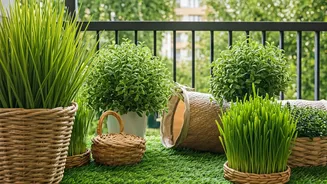
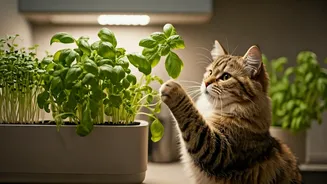
Plants are key to creating a natural-feeling oasis, but many common decorative plants are toxic to cats. The ASPCA maintains an extensive list of safe and toxic plants, which should be your go-to resource. For a cat-approved garden, focus on robust, non-toxic greenery. Plant pots of cat grass (oat, rye, or wheatgrass) for safe nibbling, which can also aid digestion. Catnip and silver vine are stimulating olfactory treats, while valerian and chamomile can have a calming effect. Arrange them in heavy, stable pots that won't easily be knocked over by a playful leap. Absolutely avoid lilies of all kinds, tulips, daffodils, and sago palms, as even small amounts can be fatal.
Create Vertical Adventures
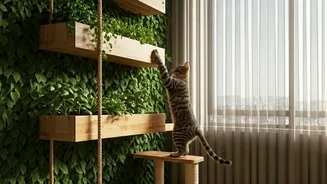
Cats are climbers by nature. A flat terrace is a missed opportunity. Utilize vertical space to create a more dynamic environment. Install sturdy, weather-resistant shelves at varying heights to act as perches and lookout points. A simple 'cat tree' made for outdoor use provides both climbing and scratching opportunities. You can also mount driftwood branches securely to a wall or wrap support posts with durable sisal rope to create a giant scratching post. This verticality gives your cat a sense of security and a vantage point from which to survey their tiny kingdom, mimicking their natural instinct to seek high ground.
Add Sensory Enrichment
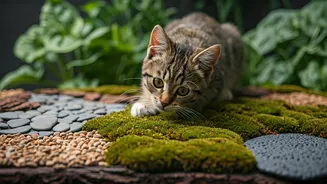
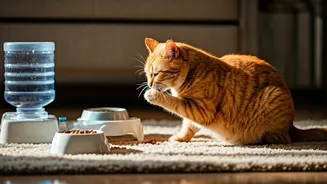
A great cat playground engages all the senses. The sights, sounds, and smells of the outdoors are naturally stimulating, but you can enhance them further. Consider a small, pet-safe water fountain; the sound of trickling water is calming, and many cats are fascinated by it. Provide a variety of textures for scratching and rubbing, from sisal rope and corrugated cardboard scratchers to rough-barked logs. Small cat-sized hiding spots, like a weatherproof outdoor cat cube or even a sturdy cardboard box, provide a sense of security and a place for a surprise pounce. Wind chimes or rustling ornamental grasses can also add auditory interest.
Build in Comfort and Lounging
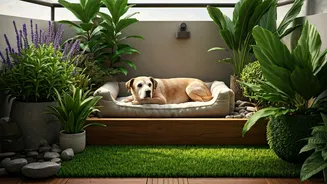
After all that exploring, every cat needs a good spot to nap. Ensure your terrace playground includes comfortable lounging areas. A weather-resistant bed placed in a corner that gets morning sun is ideal for sunbathing. Equally important is a shaded, cool spot for hot afternoons. This could be under a small table, inside a covered cat house, or beneath a larger, securely fastened cantilever umbrella. Providing both options allows your cat to self-regulate their temperature and enjoy their outdoor space in any weather.