
Meet Your New Breakfast Savior
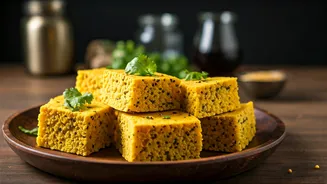
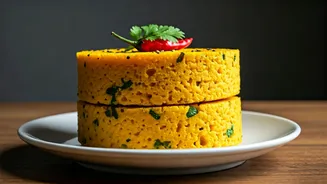
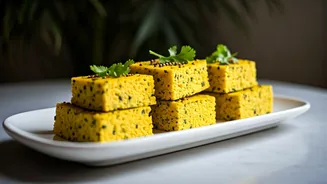
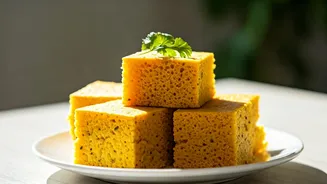
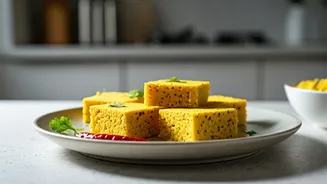
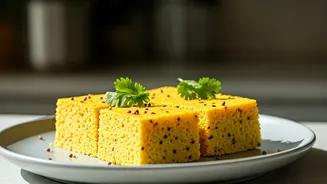
First, let’s get acquainted. Rava Dhokla is a savory, steamed cake from the western Indian state of Gujarat. Imagine a food that’s as light and airy as angel food cake but is unapologetically savory, tangy, and satisfying. Made from semolina (called ‘rava’
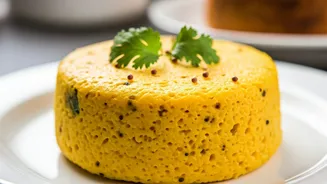
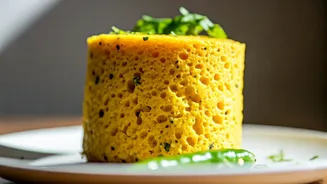
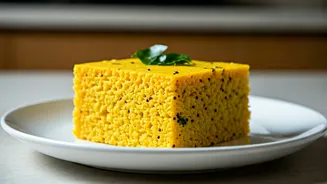
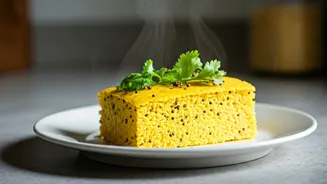
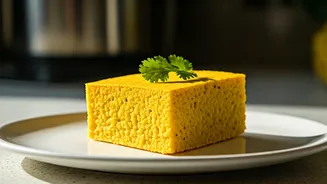
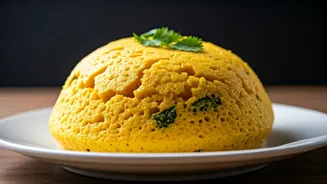
or ‘suji’ in Hindi), it’s a beloved snack and breakfast dish across India. Unlike its more famous cousin, the traditional dhokla—which requires a day of soaking and fermenting rice and lentil batter—Rava Dhokla is the instant gratification version. It’s the culinary equivalent of a clever life hack, delivering complex flavor and a delightful, spongy texture without the demanding prep work. Its pale yellow crumb is pillowy soft, ready to soak up flavor from the toppings and chutneys it’s almost always served with.
The 'Lazy' Genius of Instant Dhokla
The “lazy morning hero” title isn’t just good marketing; it’s built into the dish’s DNA. The magic lies in its simple chemistry. The batter is a straightforward mix of fine semolina, plain yogurt (which adds a subtle tang), water, ginger, and perhaps a green chili for a gentle kick. You let this mixture rest for about 20 minutes—just long enough for the semolina to absorb the moisture and soften. This is your coffee-sipping window. The real show starts with the leavening. Just before steaming, a pinch of baking soda or, more traditionally, Eno (an effervescent fruit salt), is stirred into the batter. It immediately begins to foam and expand, creating the millions of tiny air pockets that give the finished dhokla its signature spongy structure. There’s no yeast, no kneading, and no waiting for fermentation. From mixing bowl to steamer, the active prep time is less than 10 minutes, and it cooks in about 15-20 minutes flat. It’s a dish that respects your desire to not try too hard before noon.
The Finishing Touch: A Sizzling 'Tadka'
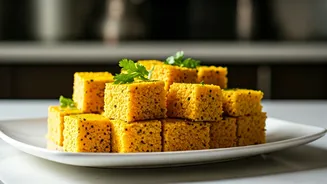
A plain steamed semolina cake would be pleasant, but it wouldn’t be a hero. What truly elevates Rava Dhokla is the ‘tadka’ (or tempering), a final flourish of flavor infused in hot oil. Once the dhokla is steamed and cut into squares or diamonds, a sizzling mixture is poured over the top. Typically, this involves heating a small amount of oil and popping black mustard seeds until they sputter and dance. Then, fragrant curry leaves, slivered green chilies, and sometimes sesame seeds are added, creating an intoxicating aroma that fills the kitchen. This tempering isn’t just a garnish; it’s an essential flavor layer. The nutty mustard seeds, the herbaceous curry leaves, and the mild heat from the chilies seep into the porous cake, adding texture and an aromatic punch that cuts through the dish’s gentle tang. It’s this final, simple step that transforms the dish from merely good to absolutely addictive.
How to Fit It Into Your Morning
The beauty of Rava Dhokla is its versatility. It’s a perfect warm breakfast, often served alongside cilantro-mint chutney for a fresh, spicy kick or a sweet and sour tamarind chutney. It’s substantial enough to keep you full but light enough that it won’t weigh you down. Because it’s steamed, not fried, it feels like a wholesome start to the day. And the leftovers are fantastic. Unlike many breakfast foods, Rava Dhokla is just as delicious at room temperature or even cold from the fridge, making it an excellent candidate for a packed lunch or an afternoon snack. It requires no special equipment beyond a steamer (even a makeshift one using a pot and a rack works perfectly), making it accessible for any home cook looking to break out of a breakfast rut.