





More Than a Fruit, a Cultural Phenomenon
To understand the economics of the Indian mango, you first have to understand its soul. For a few frantic months each year, from late March to June, India is gripped by mango mania. It's not just a fruit; it's the official announcement of summer, a topic
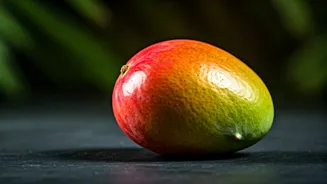
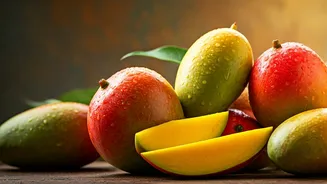
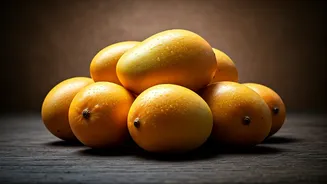
of fierce family debates over which variety is superior, and the star ingredient in everything from pickles to lassis. Newspapers run breathless coverage of the first Alphonso harvest. Families plan vacations around visiting orchards. The arrival of mango season is a sensory experience—the sweet, heavy scent wafting from street-side vendor carts, the vibrant pyramids of green, yellow, and orange fruit, and the shared ritual of slicing and eating them. This deep-seated cultural reverence is the bedrock of the entire industry, creating a level of domestic demand that dwarfs that of any other country.
The Economics of the 'King of Fruits'
While the headline talks of a billion-rupee industry, the reality is exponentially larger. A billion rupees is about $12 million, but India's mango industry is a multi-billion-dollar behemoth, valued at hundreds of billions of rupees annually. India is the undisputed world leader, producing nearly 50% of the globe's mangoes. Yet, astonishingly, it exports less than 1% of its total production. Why? Because the domestic market of 1.4 billion people is so voracious it consumes almost everything farmers can grow. This creates a unique economic dynamic where the primary market isn't a foreign buyer in a distant country, but a neighbor down the street. The export market, though growing, is just the cherry on top of a massive domestic cake. Key export destinations include the UAE, the UK, and, increasingly, the United States, where diaspora communities and curious foodies drive demand.
The Alphonso: A Mango Worthy of a Legend
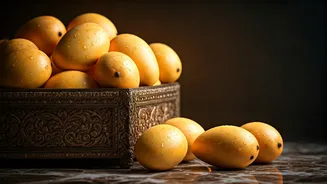
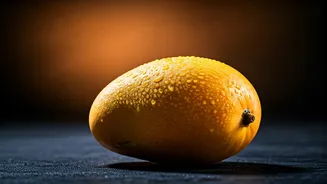
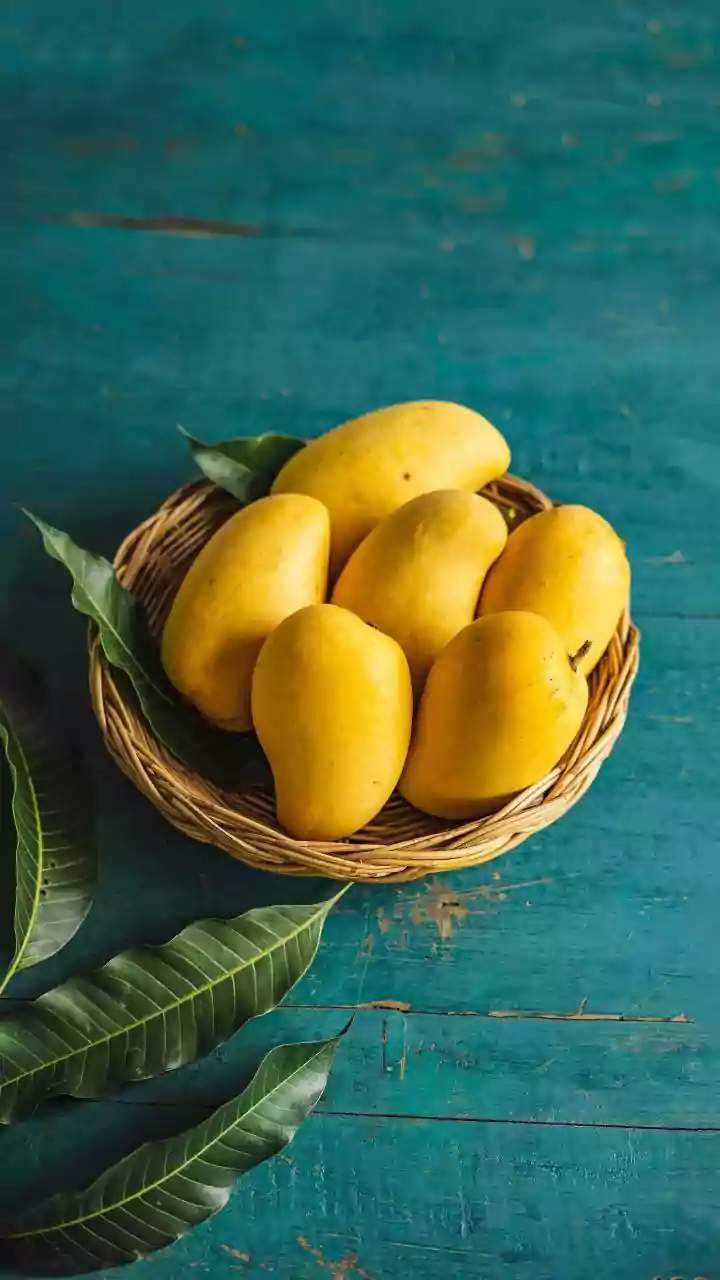
If the mango is king, the Alphonso is the emperor. Grown primarily in the coastal Konkan region of Maharashtra, the Alphonso—or 'Hapus'—is India’s most famous and coveted variety. It’s not just a mango; it’s a luxury brand. With its saffron-colored flesh, creamy texture, and complex flavor profile, a box of premium Alphonsos can command prices comparable to fine wine. To protect its prestige, it has been granted a Geographical Indication (GI) tag, similar to how Champagne is protected in France. This ensures that only mangoes from its designated region can be called Alphonsos. The fervor is so intense that a sub-industry of counterfeit Alphonsos exists, a testament to the powerful brand equity this single variety holds. For American consumers, getting a taste of a true Alphonso has historically been a challenge due to import regulations, but its reputation has created a mystique that only fuels global desire.
From Small Farms to Global Tables
The backbone of this massive industry isn't giant corporate farms, but millions of smallholder farmers. The supply chain is a sprawling, often inefficient network that begins in countless small orchards across the country. Farmers typically sell their produce to middlemen at local markets, or 'mandis,' who then aggregate the fruit for distribution to cities or export houses. This journey from tree to table is fraught with challenges. Mangoes are highly perishable, and inadequate cold storage and transportation infrastructure can lead to significant spoilage—some estimates suggest up to 30-40% of the harvest is lost post-production. For export, the process is even more rigorous, involving sorting, grading, and treatments like irradiation or hot water dips to meet the strict phytosanitary standards of countries like the U.S. and Japan.
An Industry Facing Modern Threats
Despite its scale and cultural importance, India's mango industry is at a crossroads. Climate change is a growing existential threat, with unseasonal rains and extreme heat waves disrupting flowering and fruiting cycles, leading to volatile harvests and price fluctuations. Water scarcity is another major concern for growers in many regions. On the business side, the fragmented nature of the supply chain makes it difficult to ensure consistent quality and traceability, which are crucial for expanding in discerning international markets. Modernizing the industry—by improving logistics, empowering farmers with direct market access, and investing in climate-resilient farming techniques—is the central challenge for ensuring the 'King of Fruits' continues its reign for decades to come.