





The Rhythm of the Homeland
In India, the agricultural calendar isn't just about four seasons; it’s a intricate dance dictated by the monsoon. This system is traditionally split into three main growing periods: Kharif, Rabi, and Zaid. Understanding this rhythm is the first step
to successfully growing Indian vegetables abroad. Kharif crops are sown at the beginning of the monsoon (around June) and harvested in the fall. These are your heat-loving, water-thirsty plants. Rabi crops are sown in winter (around November) and harvested in the spring; they prefer cooler, drier conditions. Zaid is a short season in the hot, dry period between the Rabi harvest and the Kharif planting, reserved for quick-growing crops like melons and cucumbers. Instead of memorizing these names, think of them as simple categories: summer crops (Kharif), cool-season crops (Rabi), and quick, hot-weather fillers (Zaid).
Translating Seasons to US Zones
The common mistake many gardeners make is trying to plant based on the Indian calendar month. A Rabi crop planted in November in Punjab will fail miserably in a snowy Chicago November. The key isn't the month, but the *conditions*. You must translate the Indian season's environment to your local American climate.
For most of the United States, the Kharif season translates directly to your main summer growing period. Think of it as the time between your last spring frost and your first fall frost. This is when you’ll plant vegetables that thrive in long, hot, sunny days. The Rabi season, on the other hand, corresponds to the cooler parts of your growing year—early spring (after the ground thaws) and late summer/early fall. These crops can handle cooler temperatures and shorter days.
Your Kharif (Summer) Starter Pack
These are the quintessential summer vegetables that love the heat and will flourish in most U.S. gardens. Plant them outdoors once all danger of frost has passed and nighttime temperatures stay consistently above 55°F.
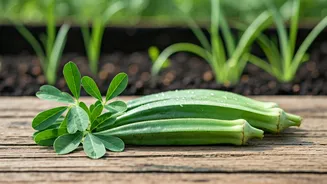
* **Okra (Bhindi):** The ultimate heat-lover. Plant seeds directly in the ground or in a large, deep pot. It needs full sun and plenty of it.
* **Eggplant (Baingan):** Especially the small, round Indian varieties. They require consistent warmth to set fruit.
* **Bitter Melon (Karela):** A vining plant that needs a trellis. It thrives in hot, humid weather, making it a perfect fit for summers in the South and Midwest.
* **Bottle Gourd (Lauki/Dudhi):** Another prolific vine that needs support. Its large leaves and fast growth are fueled by summer sun.
* **Hot Peppers (Mirchi):** From mild to fiery, all peppers are classic Kharif crops that produce best during the long, hot days of summer.
Embracing the Rabi (Cool Season)
These cool-season crops are perfect for the transitional weather of spring and fall. They often bolt (go to seed) or become bitter in the intense heat of a US summer, so timing is everything.
* **Spinach (Palak):** Plant in early spring for a late spring harvest, or in late summer for a fall and early winter harvest. It can handle a light frost.
* **Fenugreek (Methi):** This fast-growing green is prized for its leaves. Sow seeds in spring or fall. It's an excellent candidate for succession planting—sowing a new batch every couple of weeks for a continuous supply.
* **Cilantro/Coriander (Dhania):** Notoriously quick to bolt in heat. Plant it in the cool weather of spring and fall for a steady supply of fresh leaves.
* **Cauliflower and Cabbage:** These brassicas need cool weather to form proper heads. Start seeds indoors and transplant them for a spring or fall crop.
Tips for Urban Success
Growing in pots on a balcony or in a small urban plot comes with its own rules. First, size matters. Vining plants like bottle gourd need large containers (10 gallons or more) and a sturdy trellis. Second, focus on soil. Most Indian vegetables prefer well-draining soil rich in organic matter. A quality potting mix amended with compost is a great start. Finally, observe the sun. Most Kharif (summer) vegetables need at least 6-8 hours of direct sunlight to produce well. If your space is shadier, focus on leafy Rabi (cool-season) greens like spinach and methi, which can tolerate partial shade.