






The Arrival of the Rain
For much of the year, the Andaman archipelago, a remote string of islands in the Bay of Bengal, fits the familiar tropical fantasy. Tourists flock to its white sands and turquoise waters for diving and sunbathing. But as late spring melts into summer,
a dramatic shift begins. The air grows thick with humidity, the sky takes on a bruised, dramatic hue, and then it happens: the first downpour. It isn't a gentle shower. It is a deluge, a percussive drumming on palm fronds and tin roofs that seems to wash the dust from the world. This is the southwest monsoon, which typically drenches the islands from May through September. Far from a travel deal-breaker, this season is the engine of the islands’ staggering biodiversity, a powerful force that commands respect and reshapes the landscape entirely.
A World Washed Anew
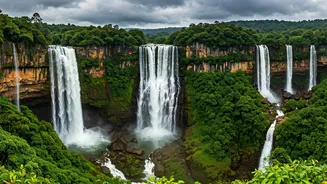
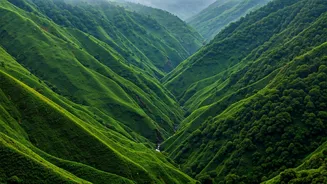
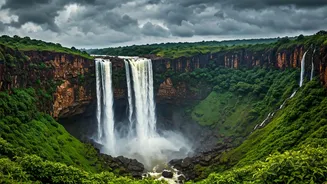
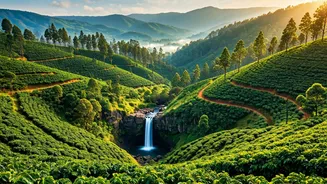
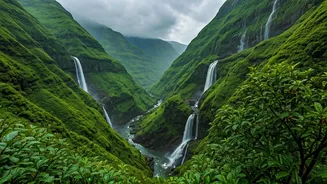
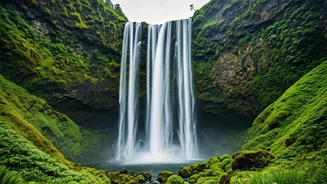
The effect of the rain is immediate and profound. The term 'lush' becomes an understatement. Hillsides that were a muted green explode into a thousand shades of emerald, jade, and lime. Dormant streams swell into gushing rivers, and hidden waterfalls, mere trickles in the dry season, roar back to life, carving new paths through the dense jungle. The rainforest, which covers over 85 percent of the islands, seems to inhale the moisture and exhale a vibrant, living perfume of wet earth, blooming flowers, and decaying leaves. This isn’t a landscape to be passively observed; it’s an immersive, sensory experience. The constant humidity makes the air feel heavy and alive, and the sheer saturation of color is an artist’s dream. While diving and snorkeling visibility may be reduced, the world above the water becomes the main attraction.
The Wild Side Emerges
The monsoon doesn’t just bring life to the plants; it coaxes out the 'wild.' The soundtrack of the islands changes from the gentle lapping of waves to a complex symphony of the rainforest. The calls of exotic birds like the Andaman serpent eagle and the chirping of tree frogs become more pronounced, no longer muffled by the heat of the day. Treks through protected areas like Mount Harriet National Park become an adventure into a primeval world. The paths are muddy and challenging, but the reward is a forest at its most dynamic. You are acutely aware that you are a visitor in a realm governed by nature’s cycles. This untamed character also means respecting the ocean’s power. Ferries between islands can be delayed, and swimming in the churning seas is often off-limits. It’s a trade-off: you exchange the calm predictability of the high season for the raw, thrilling unpredictability of the wild.
The Rhythm of the Rain
For the traveler willing to embrace a slower pace, the monsoon offers a unique intimacy with the place. Life slows to the rhythm of the rain. Afternoons are spent on a covered veranda, watching storms roll in across the water, a cup of chai in hand. The downpours are often intense but brief, followed by periods of bright, clean sunshine that make the wet world sparkle. It’s a time for reading, for long conversations, and for connecting with the local culture, which has always moved in harmony with the seasons. Instead of rushing from one beach to the next, you learn to appreciate the cozy shelter of a small cafe or the simple joy of listening to the rain. It fosters a more contemplative and authentic style of travel, far from the crowded energy of peak season. It’s a chance to see the Andamans not as a product to be consumed, but as a living, breathing ecosystem to be experienced.