



The Comfort of the Everyday Meal
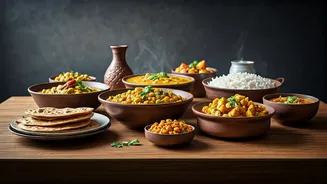
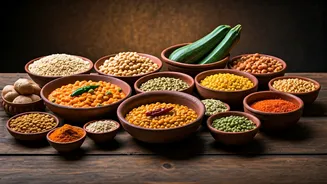
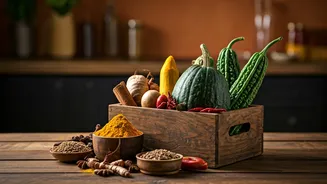
The term 'ghar ka khana,' often shortened to 'ghar ka food,' translates from Hindi to 'food of the home.' It isn't the fiery vindaloo or creamy butter chicken you might order for takeout. This is the food of daily life in countless South Asian households:
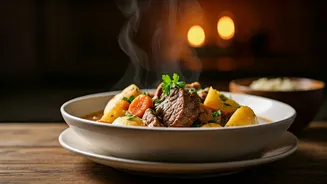
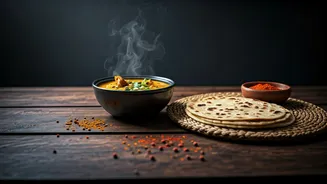
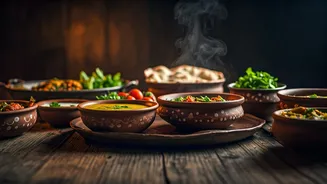
nourishing lentils (dal), simple flatbreads (roti), seasoned vegetable stir-fries (sabzi), and comforting bowls of rice. It’s the culinary equivalent of putting on your favorite sweatpants—unpretentious, deeply satisfying, and imbued with a sense of personal history. For decades, this food has been a private affair, cooked and consumed within the family. It was fuel, comfort, and culture, but it wasn't for public consumption. Unlike its restaurant-style cousins, designed to impress with complex spice blends and rich sauces, ghar ka food is defined by its simplicity, nutritional balance, and the subtle, almost instinctual, way it's prepared.
From Private to Proudly Public
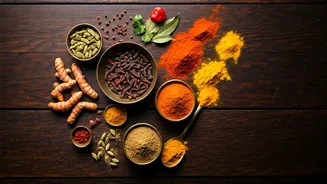
So what changed? For many first- and second-generation South Asian Americans, the food they grew up with was a complicated part of their identity. The distinct aromas of cumin, turmeric, and asafoetida that filled their homes were a source of comfort, but also a potential point of difference—and sometimes, playground ridicule—in a predominantly Western culture. The 'smelly lunchbox' trope is a painfully common memory for many, leading them to keep this part of their heritage private. The current wave of content marks a powerful inversion of that experience. A generation that once might have felt self-conscious about their homemade lunches is now proudly filming themselves packing those same meals into modern bento boxes, sharing them with millions. This isn't just about food; it's an act of cultural reclamation. It’s a confident declaration that the everyday, humble food of their parents is not only valid but also worthy of celebration.
The Digital Tiffin Box
The content itself mirrors the food: it's simple, authentic, and made for real life. You won't find high-production-value camera crews or pristine studio kitchens. Instead, TikTok and Instagram are flooded with videos shot on a phone, often propped up on a kitchen counter. The stars are a pair of hands methodically packing a 'tiffin' (a tiered, stainless steel lunchbox), layering rice, dal, and a vegetable dish. The audio is often just the satisfying clink of a spoon against steel or the gentle sizzle of spices in oil—a genre of ASMR for the soul. Other popular formats include creators calling their moms or grandmas for a recipe, documenting the often-imprecise instructions ('add a little bit of this, then salt to your heart's desire'). This content resonates because it’s relatable. It eschews the unattainable perfection of mainstream food media in favor of something more genuine: the messy, beautiful reality of home cooking.
A Search for Authenticity
This trend doesn't exist in a vacuum. It’s part of a broader pushback against the hyper-curated, aspirational lifestyle content that dominated social media for years. Audiences are growing tired of flawless influencers and impossible standards. They crave authenticity, and nothing is more authentic than a simple, home-cooked meal made with love. Ghar ka food content offers a direct antidote to the performance of online life. It celebrates sustenance over spectacle. A video of someone enjoying a simple bowl of dal and rice doesn't promise to make you richer, thinner, or more popular. It offers something more profound: a connection to something real. It’s a quiet reminder that the most meaningful experiences are often the most ordinary ones.
Connecting Across Generations
Ultimately, the rise of ghar ka food as content is a story about identity. For many young South Asian Americans, cooking the food of their ancestors is a tangible way to connect with their heritage. It's a way to understand their parents' journey, preserve family recipes, and pass on cultural knowledge that might otherwise be lost. By sharing this process online, they are not only documenting it for themselves but also building a vibrant digital community. They are finding kinship with others who share similar experiences, and they are educating a wider audience about the depth and diversity of South Asian cuisine beyond the standard takeout menu. They are taking control of their own narrative, defining for themselves what it means to be Indian, Pakistani, Bangladeshi, or Nepali in America today—one delicious, homemade meal at a time.