

Embrace the 'Assembly-Only' Meal
The most powerful heatwave strategy is to reframe what constitutes a 'meal.' Forget the traditional protein-starch-vegetable formula that requires multiple pans. Instead, think like a caterer preparing a chic cocktail party. This is the time for sophisticated
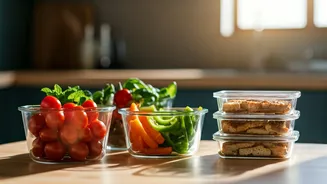
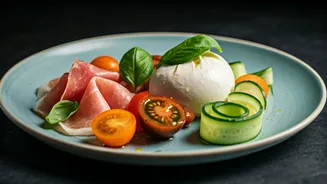
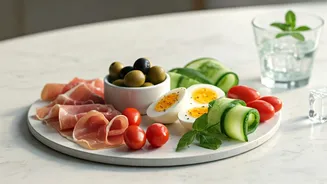
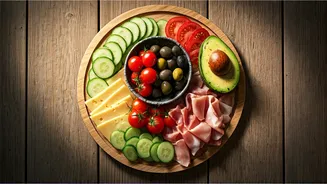
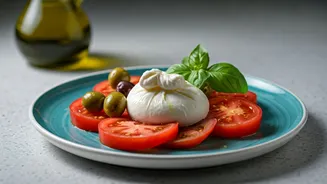
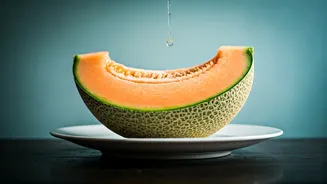
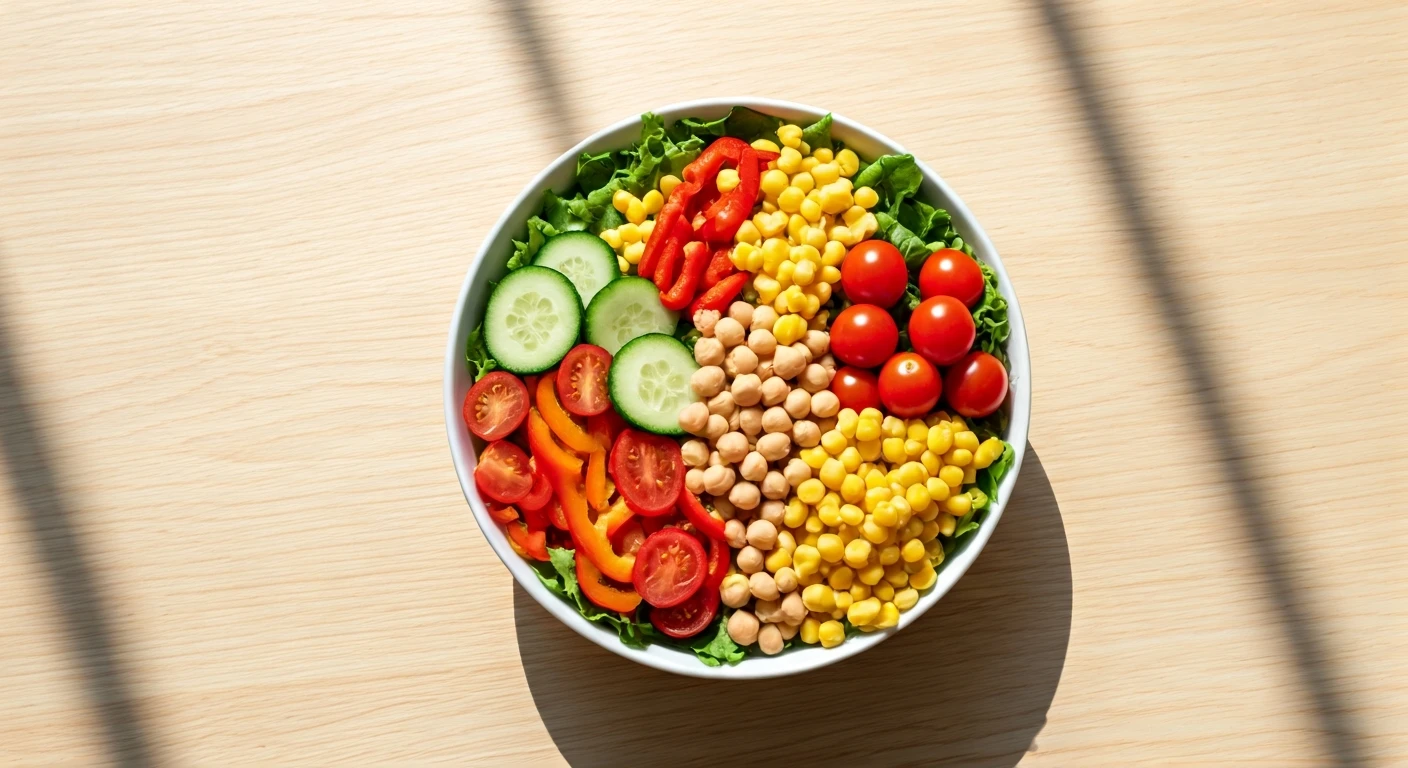
'snack boards' to become dinner. Arrange high-quality cheeses, cured meats like prosciutto or salami, olives, and sliced baguette. Add some fruit—grapes, figs, or melon—and you have a balanced, satisfying meal with zero cooking. Another pro move is the grain bowl. Use a pre-cooked grain base like quinoa or farro (many stores sell them ready-to-eat) and top it with canned chickpeas, chopped raw vegetables, feta cheese, and a zesty lemon-tahini dressing. It’s a complete meal assembled, not cooked.
Make Your Appliances Work Smarter
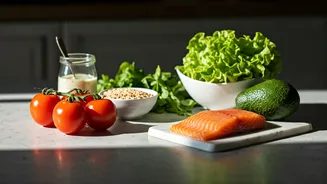
Your oven is the number one enemy during a heatwave, radiating heat long after it's been turned off. But your other appliances can be secret weapons. The microwave isn't just for reheating coffee; it's a remarkably efficient steamer for vegetables. A few minutes is all it takes to perfectly cook broccoli or green beans without heating your kitchen. The air fryer is another hero, offering the crispiness of an oven in a contained, countertop unit—perfect for quick-cooking salmon or chicken tenders. And don't forget the slow cooker or Instant Pot. While they generate some heat, it's far less than a stovetop or oven, and they can be used to batch-cook proteins or beans early in the morning or overnight, when temperatures are cooler.
Let Acidity Do the Heavy Lifting
One of the most elegant no-cook techniques comes from Latin America: ceviche. In this dish, the acid from lime or lemon juice effectively 'cooks' raw fish or scallops by denaturing the proteins, turning the flesh firm and opaque. All it requires is incredibly fresh, high-quality seafood, citrus juice, and some chopped onion, cilantro, and chili. After about 15-20 minutes of marinating in the fridge, it's ready to eat. This principle extends beyond seafood. 'Escabeche' involves lightly poaching vegetables (or fish) and then marinating them in a vinegar-based sauce. You can make a big batch of tangy pickled carrots, onions, and jalapeños to spoon over just about anything, adding a bright, acidic punch that’s incredibly refreshing in the heat.
Think Beyond Basic Salads and Gazpacho
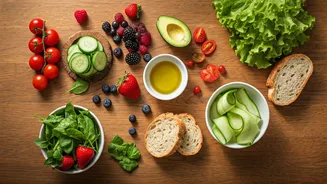
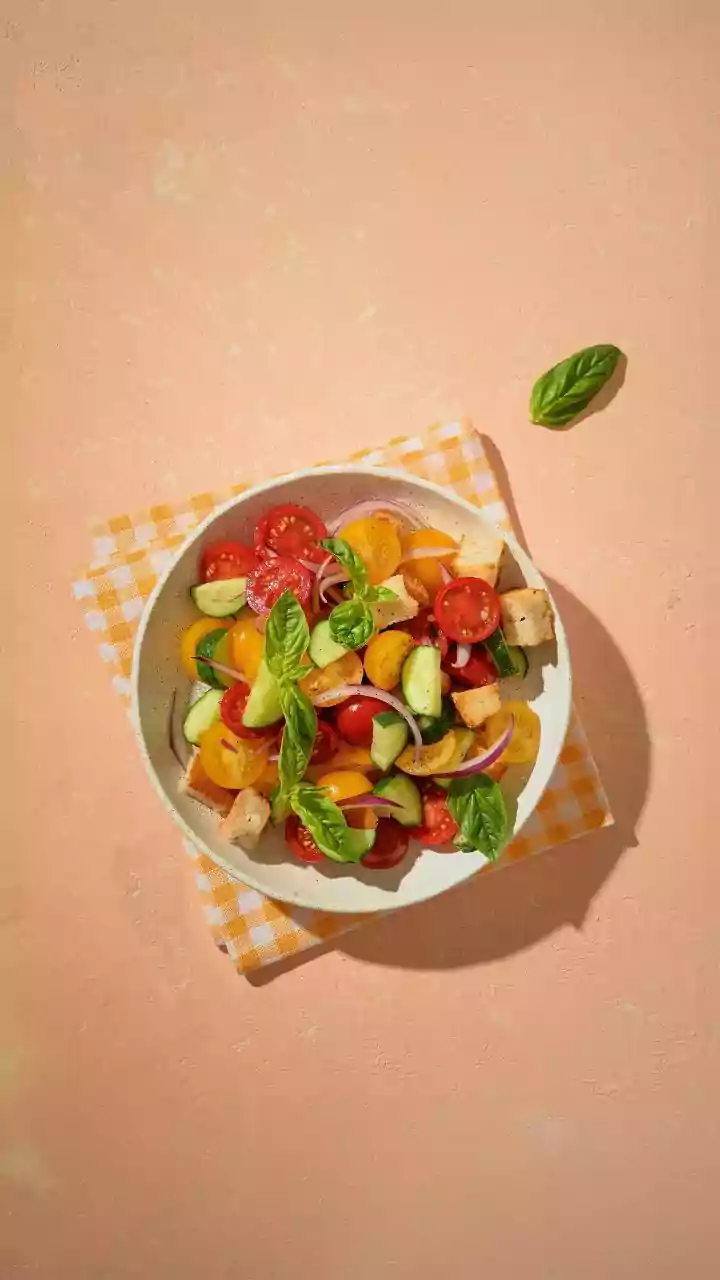
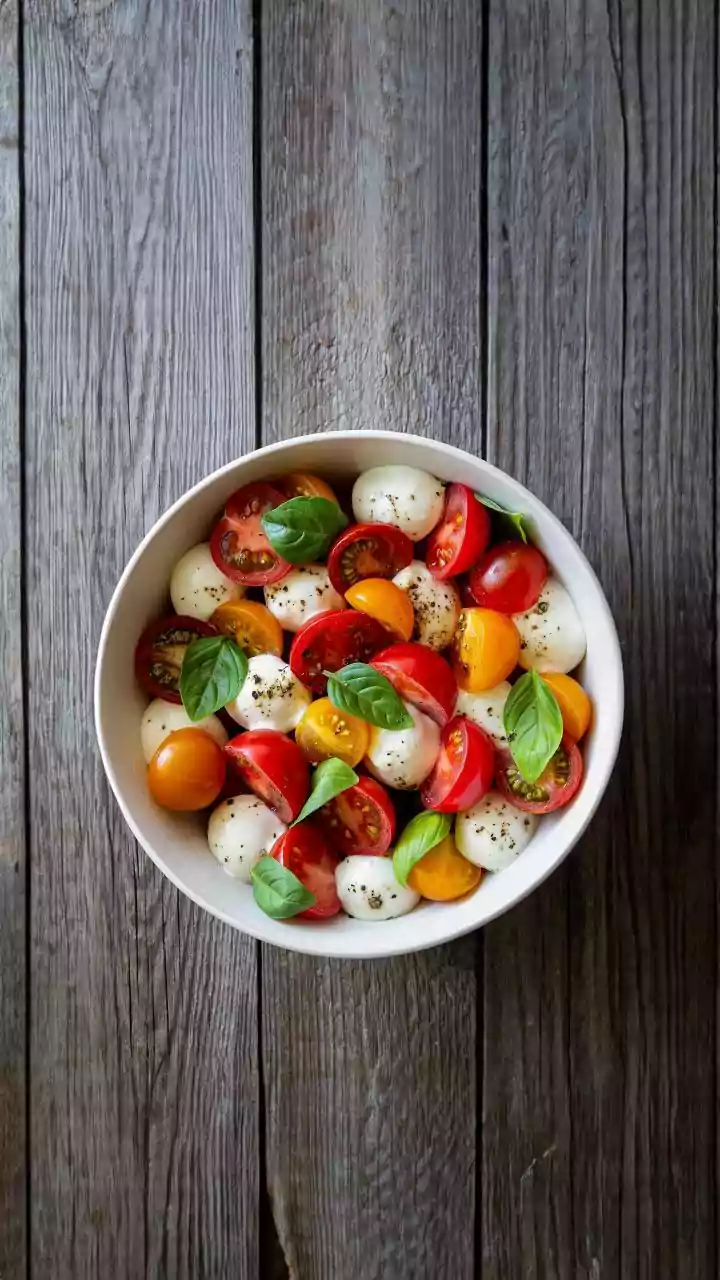
Salads and chilled soups are the obvious answer to hot-weather dining, but they don't have to be boring. Move beyond iceberg lettuce and bottled dressing. Create a substantial salad with a base of sturdy greens like romaine or kale, then load it up with interesting textures and flavors: toasted nuts, creamy avocado, sharp cheeses, and seasonal fruits like peaches or berries. For a main-course salad, add shredded rotisserie chicken (a great grocery store shortcut) or canned tuna. As for chilled soups, gazpacho is just the beginning. Try a creamy cucumber-yogurt soup with fresh mint and dill, or a Spanish 'ajo blanco,' a silky blend of almonds, bread, garlic, and green grapes. These soups are served cold, require only a blender, and taste like pure summer.
Take the Heat Outside
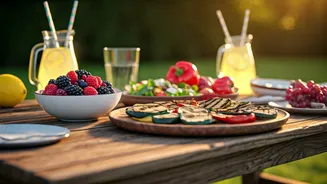
If you absolutely must cook with fire, do it outside. The grill is the ultimate heatwave kitchen hack because it keeps all the heat and smoke out of your house. But don't just grill for one night's dinner. Be strategic. While the grill is hot, cook enough for the next few days. Grill a whole pack of chicken thighs, a few steaks, a dozen sausages, and a big batch of vegetables like bell peppers, zucchini, and corn on the cob. Once cooked and cooled, these ingredients become the building blocks for a week of minimal-effort meals. The grilled chicken can be sliced for salads, the sausages chopped into a pasta salad, and the vegetables layered into sandwiches or served as a simple side dish. It's an hour of heat for a few days of cool, easy living.