




Beyond the Basic Boardroom
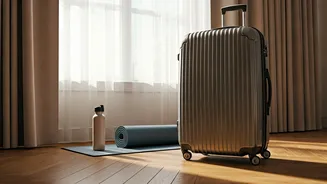
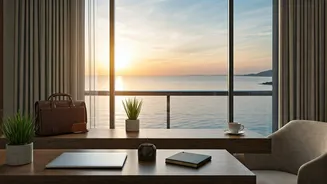
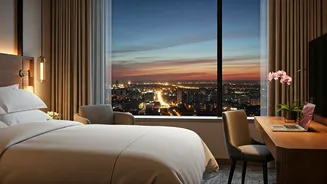
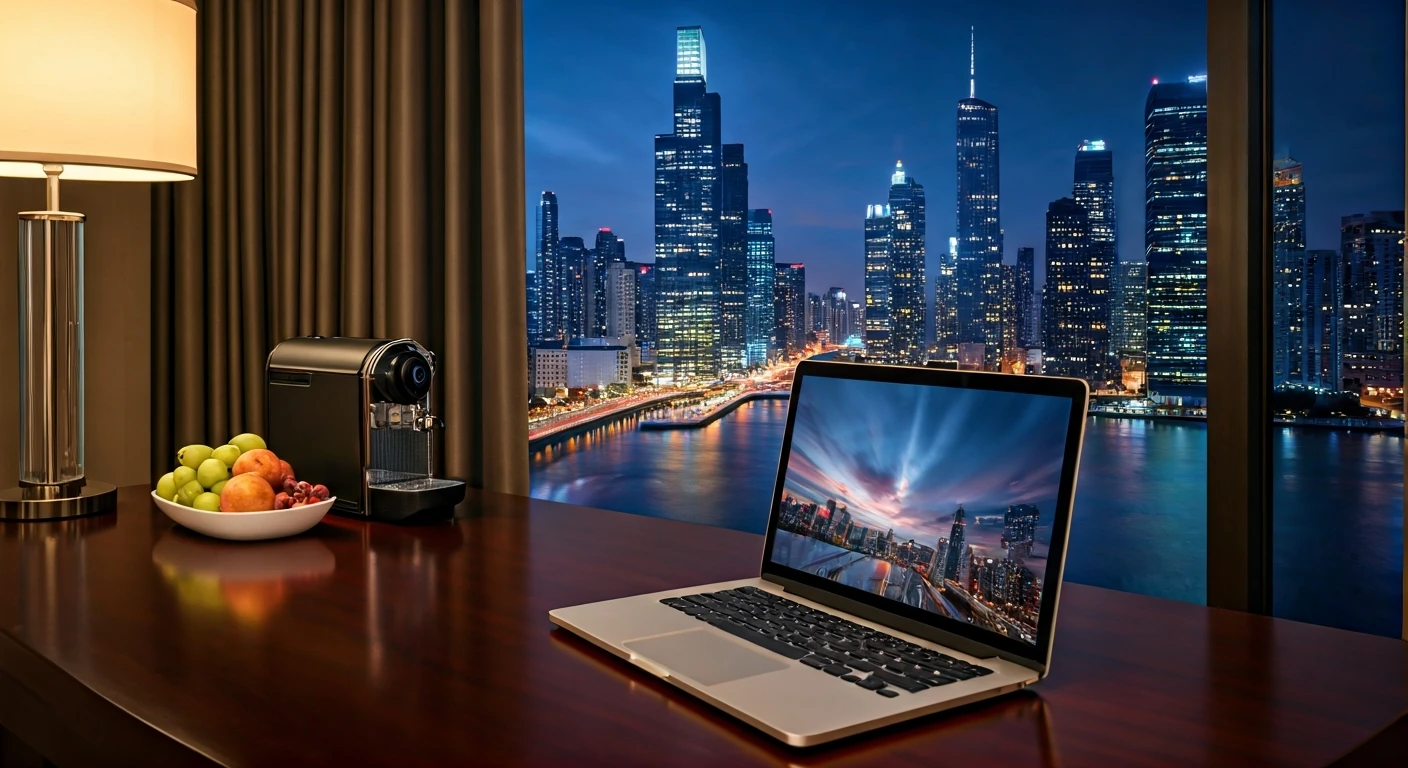
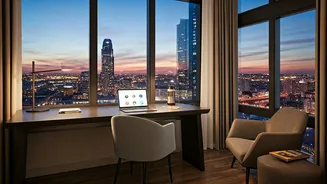
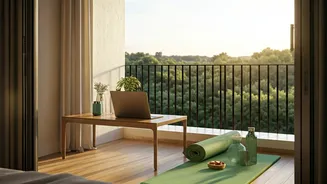
Forget simply booking a flight and a hotel. Today’s premium business travel is about curating an experience. Instead of a standard chain hotel, companies are opting for boutique properties with distinct local character, wellness amenities like spas and yoga
classes, and high-end restaurants. The trip’s agenda is also evolving. A day of client meetings might now be followed by a company-sponsored gourmet cooking class, a guided architectural tour, or even tickets to a sought-after cultural event. This shift re-frames the business trip not as a necessary evil, but as a genuine perk—an opportunity to recharge and experience a destination, not just its conference centers and office parks. It's a move away from efficiency at all costs toward a more holistic view of employee well-being and engagement.
The ‘Bleisure’ Boom
The driving force behind this trend is the mainstreaming of “bleisure”—the fusion of business and leisure. After two years of pandemic-era restrictions, employees are eager to travel again, but their expectations have changed. They want more from their trips. A recent study by the Global Business Travel Association found that a significant majority of business travelers are now more likely to blend personal vacation time into their work trips than they were before the pandemic. Companies, recognizing this desire, are leaning in. By officially sanctioning and even facilitating this blend, they turn a standard work trip into a more desirable and memorable experience. Extending a stay through the weekend, for example, is no longer a furtive add-on but an encouraged way to decompress and get more value from the journey.
A Weapon in the War for Talent
In a tight labor market, a high-end travel policy is becoming a powerful tool for recruitment and retention. For remote-first or hybrid companies, in-person meetings have become less frequent but far more important. When teams do gather, the pressure is on to make the time together count. Lavish corporate retreats in inspiring locations are replacing quarterly check-ins at the home office. These gatherings are designed to foster connection, boost morale, and reinforce company culture in a way that endless Zoom calls cannot. For prospective hires, a travel policy that includes business class for long-haul flights or the flexibility to bring a partner along isn't just a nice-to-have; it's a clear signal that the company values its people and invests in their comfort and well-being. It’s a tangible differentiator when a candidate is weighing multiple offers.
Calculating the Return on ‘Luxe’
Of course, this lifestyle twist comes with a higher price tag. Finance departments are right to ask about the return on investment. The business case rests on a few key pillars. Firstly, preventing burnout. A well-rested, less-stressed employee is a more productive and creative employee. Secondly, loyalty. Workers who feel cared for are more likely to stay with a company, reducing the high costs associated with recruitment and training. Finally, performance. For client-facing roles, arriving fresh and prepared from a comfortable journey can make the difference in closing a deal. The ROI isn't just measured in dollars saved on a cheaper hotel, but in employee satisfaction, cultural strength, and a stronger competitive edge in the marketplace.