






First, What Is a 'Holistic Program'?
Let’s clear this up: “holistic feline stress management” isn’t one specific product you buy off a shelf. It’s a philosophy. Instead of just treating a single symptom like scratching the furniture, it’s about looking at the cat’s entire world. This includes
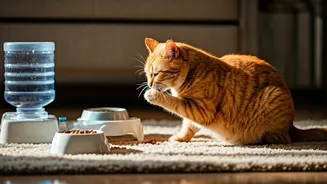
their physical environment, emotional state, diet, and social interactions. Think of it as the feline equivalent of a human wellness retreat. The 'program' might involve a combination of tactics: upgrading their food, creating 'scent-scapes' with calming pheromone diffusers, designing vertical climbing spaces, introducing puzzle feeders to engage their minds, and establishing predictable play routines. It’s a comprehensive approach that says the solution to a stressed cat isn't a single fix, but a better life.
The 'Fur Baby' Effect Matures
For years, we’ve been calling our pets “fur babies.” This trend is the logical next step. As more Americans, particularly millennials and Gen Z, delay or opt out of having children, pets have ascended to a new familial status. They aren’t just animals we feed; they are emotional companions whose happiness we feel responsible for. We’ve embraced the wellness industry for ourselves—meditation apps, organic foods, mental health days—and now we’re projecting that onto our cats. If we’re tracking our sleep and optimizing our diets, it feels natural to want the same level of care for a beloved member of our household. The question is no longer just “Is my cat healthy?” but “Is my cat fulfilled?”
Modern Life, Modern Cat Problems
Our own lifestyles are inadvertently creating the perfect conditions for feline anxiety. The work-from-home revolution was a major catalyst. Suddenly, cats who were used to having the house to themselves for eight hours a day were dealing with constant human presence, Zoom calls, and unpredictable schedules. Their quiet territory was disrupted. At the same time, urbanization means more of us are living in smaller apartments with limited access to safe outdoor space. A cat is a predator hardwired for stalking, climbing, and exploring. When their entire world is a 700-square-foot apartment with no stimulation, behavioral issues like anxiety, over-grooming, and aggression can surface. Owners are recognizing this and searching for ways to enrich their cat’s indoor world.
The TikTok-ification of Pet Care
Social media is the great accelerator. A decade ago, you might have gotten a tip about a new cat toy from a friend. Today, you’re served a dozen TikToks a day showcasing elaborate DIY “catios” (cat patios), tutorials on “food foraging” games, and reviews of automated laser pointers. Influencers with aesthetically pleasing homes and perfectly calm cats set a new standard. This creates both awareness and pressure. When you see someone has built a floor-to-ceiling climbing wall for their Bengal, your simple feather-on-a-stick can feel inadequate. This visual, algorithm-driven culture makes niche ideas mainstream overnight, turning “cat enrichment” from a veterinary term into a viral hashtag and driving millions of searches.
Discerning Good Advice from a Good Ad
With any booming trend comes a flood of products, not all of them backed by science. The market is now saturated with everything from CBD treats for cats to feline anxiety jackets and special calming music playlists. While many of these can be helpful, others are little more than modern snake oil. The core principles of holistic management that veterinarians and animal behaviorists endorse are almost always rooted in meeting a cat’s instinctual needs: a sense of security, opportunities to hunt (through play), and control over their environment. Puzzle feeders and vertical spaces work because they speak to a cat’s innate biology. A crystal that promises to balance your cat’s energy does not. The breakout searches show a desire to do well by our pets, but they also create an opening for misinformation.