




The Journey Is the Destination
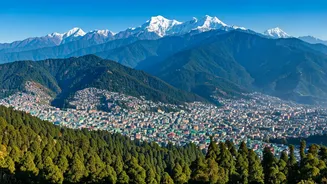
You don't just arrive at Tsomgo Lake; you earn it. The journey from Gangtok, the capital of the northeastern Indian state of Sikkim, is a 25-mile-long drama of engineering and nature. The road snakes and switchbacks its way up the mountain, a ribbon of asphalt
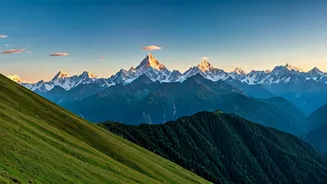
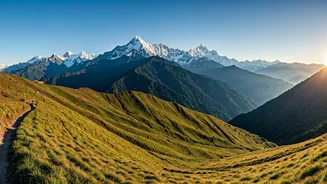
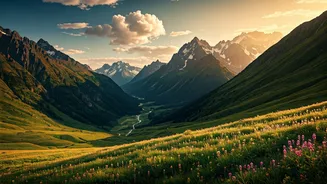
clinging to steep hillsides. With each hairpin turn, the subtropical greenery of the valleys gives way to the hardier pines and firs of the alpine zone. Waterfalls cascade down rock faces, sometimes misting the road, and prayer flags flutter violently in the wind, sending their blessings across the gorges. For travelers, the ride is part of the pilgrimage. It’s a slow, deliberate ascent into another world, building anticipation for the jewel that waits at an elevation of 12,313 feet. This is not a casual drive—it's an introduction to the raw, untamed power of the Himalayas.
A Mirror for Every Season
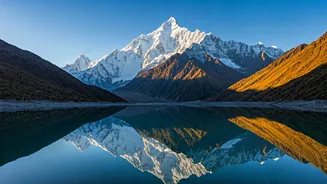
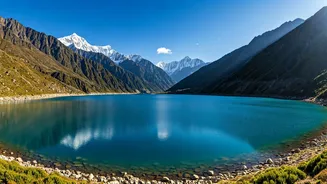
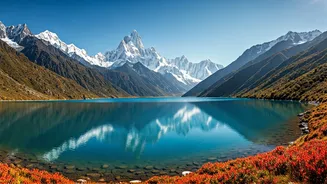
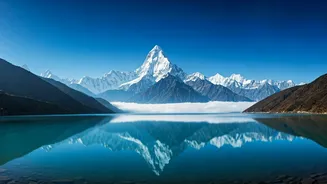
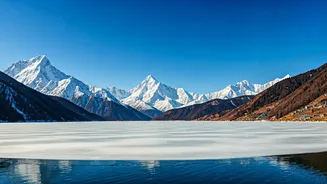
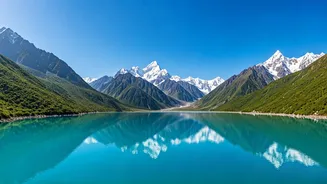
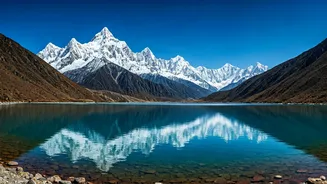
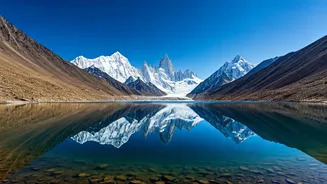
Tsomgo Lake, also known as Changu Lake, is not a static postcard. Its character shifts dramatically with the seasons, offering a different kind of beauty to anyone who visits. In the deep of winter, from January to mid-May, the lake is a solid sheet of ice, a frozen world blanketed in snow. The surrounding landscape becomes a minimalist canvas of white and gray, silent and profound. As spring arrives, the ice begins to crack and melt, and the surrounding slopes burst into color with blooming rhododendrons and primulas. By autumn, the lake is at its most famously picturesque. The monsoon rains have cleared the air, leaving behind a deep, sapphire-blue sky that is mirrored perfectly in the lake’s glacial waters. The crisp mountain air and brilliant sun make the colors feel impossibly vivid. Each season offers a completely distinct experience, making Tsomgo a place worth visiting again and again.
More Than Just a Pretty View
For the people of Sikkim, Tsomgo is far more than a tourist attraction; it is a sacred body of water. The name Tsomgo translates to "source of the lake" in the Bhutia language, and it is revered by both Buddhists and Hindus. Local faith healers, known as Jhakris, are said to have gained their powers of prophecy by studying the color of the lake's water. In ancient times, they would forecast the future based on its changing hues. The lake is also a focal point for the Guru Purnima festival, where devotees gather to offer prayers. This spiritual resonance adds a profound layer of meaning to its physical beauty. To stand on its banks is to feel not just the grandeur of nature, but the weight of centuries of human belief and reverence. It’s this combination that truly defines the lake's soul.
The Himalayan Experience
The experience at Tsomgo Lake extends beyond the water itself. Colorfully decorated yaks, adorned with woolen pom-poms and tinkling bells, are often available for rides along the lake's edge, offering a quintessential Himalayan photo-op. Small stalls run by locals sell hot tea, momos (steamed dumplings), and instant noodles—welcome warmth in the chilly, high-altitude air. The lake also serves as a gateway to an even more exclusive destination: the Nathu La Pass on the India-China border. Located just a few miles further up the road, this historic trade route offers a surreal glimpse into a tightly controlled border crossing. While access for tourists is restricted, the proximity adds a geopolitical gravity to the area. It’s a reminder that this beautiful, serene landscape is also a strategic frontier, nestled in one of the world's most formidable mountain ranges.