


What Is Sleep Tourism, Exactly?
At first glance, ‘sleep tourism’ sounds like an expensive way to do something you could theoretically do at home for free. But it’s far more than just catching up on shut-eye in a fancy hotel. Sleep tourism is a dedicated travel niche where the entire
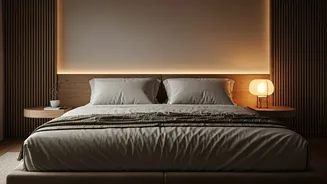
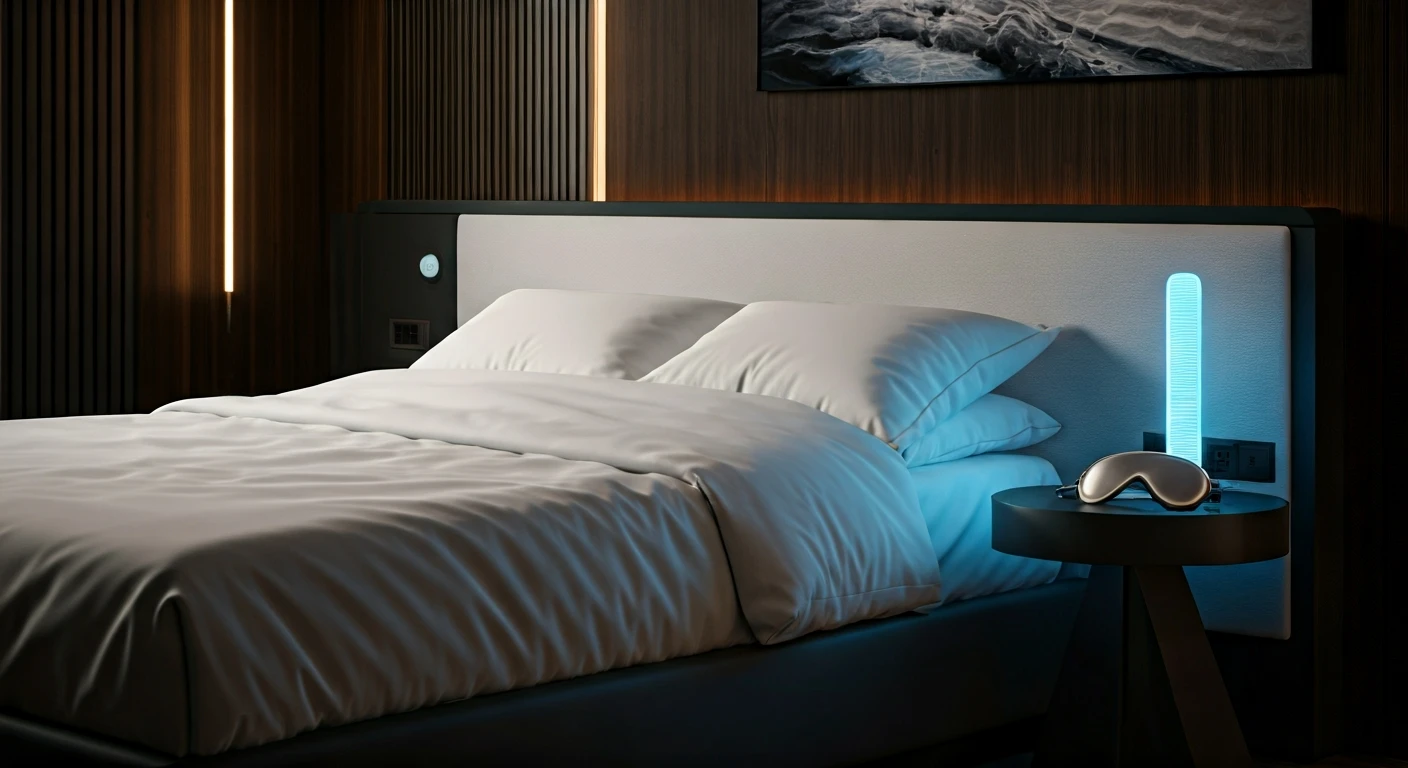
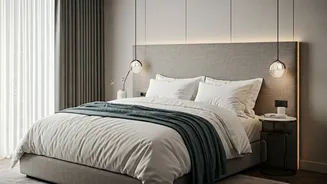
vacation is structured around improving the quality and quantity of your rest. Think of it less as a vacation where you happen to sleep well, and more as a targeted wellness retreat for the sleep-deprived. These trips go beyond a mint on the pillow. They often involve stays at hotels or resorts with dedicated ‘sleep programs’ that might include consultations with sleep experts, rooms engineered for optimal rest (with advanced soundproofing, blackout curtains, and temperature control), and amenities like pillow menus, weighted blankets, and curated sleep-inducing teas. The goal isn’t just to sleep more on vacation; it’s to diagnose poor sleep habits and learn techniques to build a better long-term relationship with rest.
An Answer to Our Epidemic of Exhaustion
The rise of sleep tourism isn’t happening in a vacuum. It's a direct response to a society that’s running on fumes. According to the CDC, more than a third of American adults are not getting the recommended seven hours of sleep per night. We live in an ‘always-on’ culture, tethered to glowing screens that disrupt our circadian rhythms and conditioned to see rest as a luxury, not a biological necessity. This chronic sleep debt contributes to a host of problems, from poor cognitive function and irritability to increased risks for serious health issues like heart disease and diabetes. After years of glorifying the hustle and the 4 AM start, a growing number of people are realizing that no amount of coffee or productivity hacks can replace genuine, restorative sleep. Sleep tourism taps into this exhaustion, offering a structured escape from the noise and a chance to hit the reset button in a world that never seems to switch off.
More Than Just a Comfy Bed
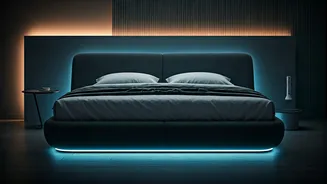
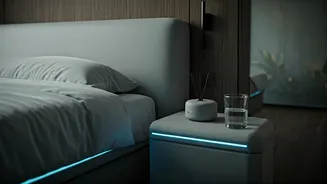
So, what does a sleep-centric vacation actually look like? It varies, but the offerings are becoming increasingly sophisticated. Some hotels, like the Park Hyatt New York, have created entire suites designed for slumber, featuring beds that adapt to your body temperature and special lighting to promote relaxation. London’s Zedwell hotels are built as windowless ‘cocoons’ engineered for nothing but sleep. Beyond the hardware, the experience is key. Guests might be offered guided meditations, yoga nidra sessions (a form of ‘yogic sleep’), or personalized aromatherapy. Menus are often crafted by nutritionists to exclude sleep disruptors like caffeine and alcohol, focusing instead on foods rich in magnesium and melatonin. Some high-end programs even incorporate technology like sleep trackers to monitor your patterns and provide data-driven feedback, turning your vacation into a personal sleep lab.
A Quick Fix or a Lasting Solution?
The central question is whether traveling hundreds or thousands of miles to sleep is an effective long-term strategy. Sleep scientists are cautiously optimistic. While a week-long retreat won't magically cure chronic insomnia, it can serve as a powerful catalyst. By removing you from your daily stressors—work emails, family responsibilities, a snoring partner—it creates an ideal environment to break bad habits and establish new, healthier routines. The real value isn’t just the sleep you get while you’re away, but the education you bring home. Learning proper sleep hygiene in a controlled setting can empower you to transform your own bedroom into a personal sanctuary. However, experts warn that it's not a panacea. The most significant changes still need to happen in your day-to-day life. A sleep vacation can show you what’s possible, but it’s up to you to maintain the momentum.