

What Exactly Are Millets?
First, let's clear up a common misconception: millet isn't one single grain. It’s a group of small-seeded grasses that have been cultivated for thousands of years across Africa and Asia, serving as a dietary staple long before wheat or rice became dominant.
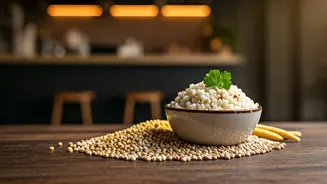
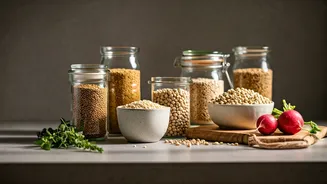
Think of it less like a specific product and more like a category, similar to squash. While there are many varieties—like pearl, foxtail, and proso—the one most commonly found on U.S. grocery shelves is simply labeled "millet." It looks like a tiny, round, yellow bead, similar to couscous. Despite its ancient roots, its re-emergence is tied to very modern concerns: a desire for nutrient-dense, sustainable, and versatile ingredients that don’t require a culinary degree to prepare.
The Health Hype Is Real
The buzz around millets is well-deserved and backed by solid nutritional science. For starters, all varieties of millet are naturally gluten-free, making them an excellent choice for individuals with celiac disease or gluten sensitivity. But their benefits go much further. Millets are a fantastic source of dietary fiber, which is crucial for digestive health, regulating blood sugar, and promoting a feeling of fullness that can aid in weight management. They also boast an impressive profile of essential minerals, including magnesium (important for nerve function and bone health), phosphorus, and manganese. Compared to more refined grains, millets offer a higher protein content and a lower glycemic index, meaning they provide more sustained energy without the spike-and-crash effect associated with sugary carbs.
Cooking Millet Is Easier Than You Think
If you can cook rice, you can cook millet. The process is virtually identical and incredibly forgiving. The basic ratio is one part millet to two parts liquid (water or broth). Simply bring the liquid to a boil, add the millet, reduce the heat to a simmer, cover, and cook for about 15–20 minutes, or until the liquid is absorbed. The final texture depends on how you cook it. For a fluffy, rice-like consistency, let it sit, covered, off the heat for 10 minutes after cooking and then fluff with a fork. For a creamier, porridge-like texture, add a little more liquid and stir it occasionally as it cooks, much like polenta. You can also toast the dry grains in a pan for a few minutes before adding liquid to bring out a richer, nuttier flavor.
Five Simple Swaps for Your Kitchen
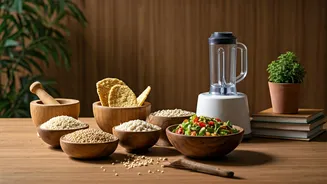
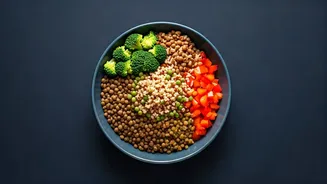
Integrating millet into your diet doesn't require a complete menu overhaul. It slides easily into meals you already make. 1. **As a Breakfast Porridge:** Cook it with milk (or a non-dairy alternative) and a splash more liquid for a creamy base. Top with berries, nuts, and a drizzle of maple syrup for a hearty start to your day. 2. **The New Grain Bowl Base:** Swap out quinoa or brown rice for fluffy millet. Its mild flavor makes it a perfect canvas for roasted vegetables, grilled chicken, and flavorful dressings. 3. **A Hearty Soup Add-in:** Add a half-cup of uncooked millet to your favorite vegetable or chicken soup during the last 20 minutes of cooking. It adds body, texture, and a nutritional boost. 4. **A Better-for-You "Rice" Pilaf:** Sauté some onions and garlic, toast the millet, and then cook it in broth instead of water. Stir in herbs and toasted nuts for an elegant side dish. 5. **Popped Millet Snack:** In a dry, hot pan with a lid, you can pop millet just like popcorn. The popped grains are tiny but make a crunchy, fun topping for salads, yogurt, or even ice cream.