

1. Go Vertical: The Living Wall
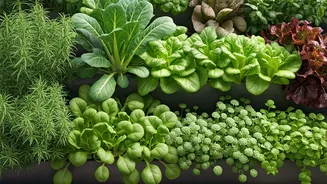
The biggest constraint for apartment dwellers has always been floor space. The solution? Go up. Vertical gardening systems are no longer clunky, DIY contraptions. Modern iterations are sleek, modular units that can turn a blank wall into a living pantry.
These systems use stacked planters, felt pockets, or trellis structures to grow herbs, leafy greens, and even strawberries in a minimal footprint. They double as a stunning design feature, adding a splash of biophilic beauty to a kitchen or balcony. Some systems are self-watering, wicking moisture from a reservoir at the base to the plants above, which dramatically reduces maintenance and makes it easier for beginners to succeed.
2. Ditch the Dirt: The Rise of Hydroponics
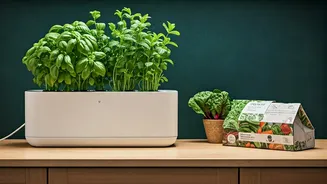
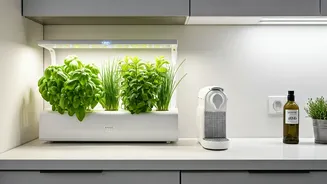
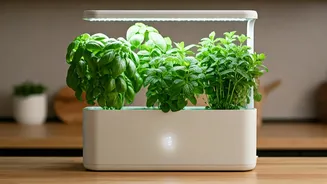
Perhaps the most significant part of the kitchen garden's glow-up is the move away from soil. Countertop hydroponic and aeroponic systems have become incredibly user-friendly and aesthetically pleasing. These units, from brands like AeroGarden and Click & Grow, use nutrient-rich water and integrated LED lights to create a perfect growing environment. There's no mess, fewer pests, and faster growth cycles. What was once the domain of commercial growers is now a plug-and-play appliance that sits next to your coffee maker, churning out fresh basil, mint, and cherry tomatoes year-round, regardless of the weather outside.
3. Let There Be (Stylish) Light
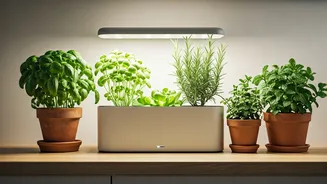
A dark kitchen corner used to be a death sentence for an aspiring herb garden. Not anymore. The new generation of grow lights has shed its industrial, purple-hued reputation. Today's options are designed to blend seamlessly into home decor. You can find minimalist pendant lights that hang elegantly over a counter, sleek under-cabinet light bars, and even sculptural halo-style lights that frame a single potted plant. These full-spectrum LEDs provide the necessary light for photosynthesis while emitting a pleasant, warm-white glow, making them a functional and fashionable addition to any room.
4. Get Smart: The App-Controlled Garden
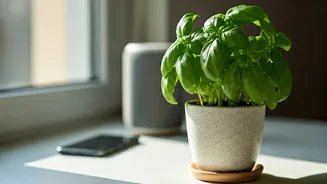
For the tech-savvy or time-crunched, smart gardens offer the ultimate convenience. These high-end systems connect to a smartphone app, allowing you to monitor and control everything from watering schedules to light cycles. Some even have sensors that tell you when to add nutrients or when your plants are ready to harvest. While they represent a bigger investment, these automated gardens take the guesswork out of cultivation. They are the perfect embodiment of the “set it and forget it” ethos, ensuring a successful harvest even for those who claim to kill every plant they touch.
5. Focus on Flavor: Microgreens and More
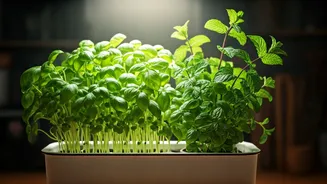
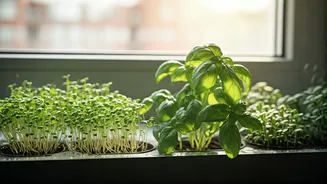
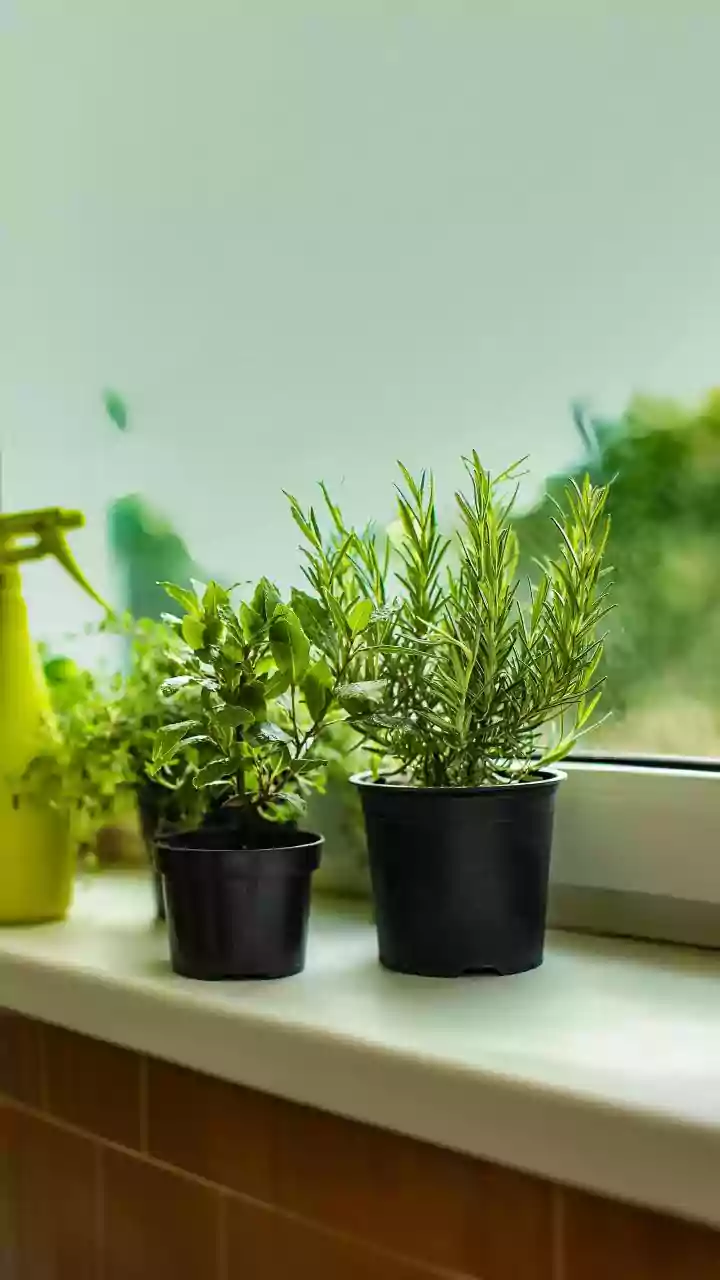
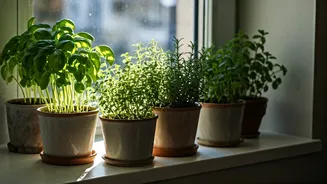
The small-space glow-up isn't just about technology; it’s also about strategy. Gardeners are realizing that in a limited space, it pays to grow high-value, fast-growing crops. Enter microgreens. These nutrient-packed seedlings of vegetables like radish, broccoli, and kale can be harvested in just 7-14 days. They require minimal space—often just a small tray on a windowsill—and provide an instant burst of fresh flavor and nutrition for salads, sandwiches, and smoothies. It's a shift from trying to grow a giant tomato plant to cultivating small, potent ingredients that elevate everyday meals.
6. Containers as Decor
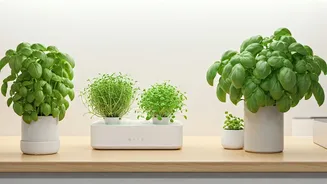
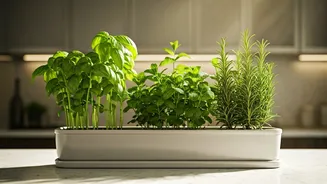
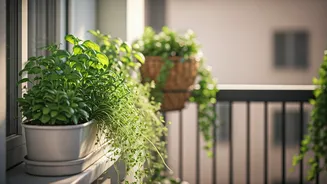
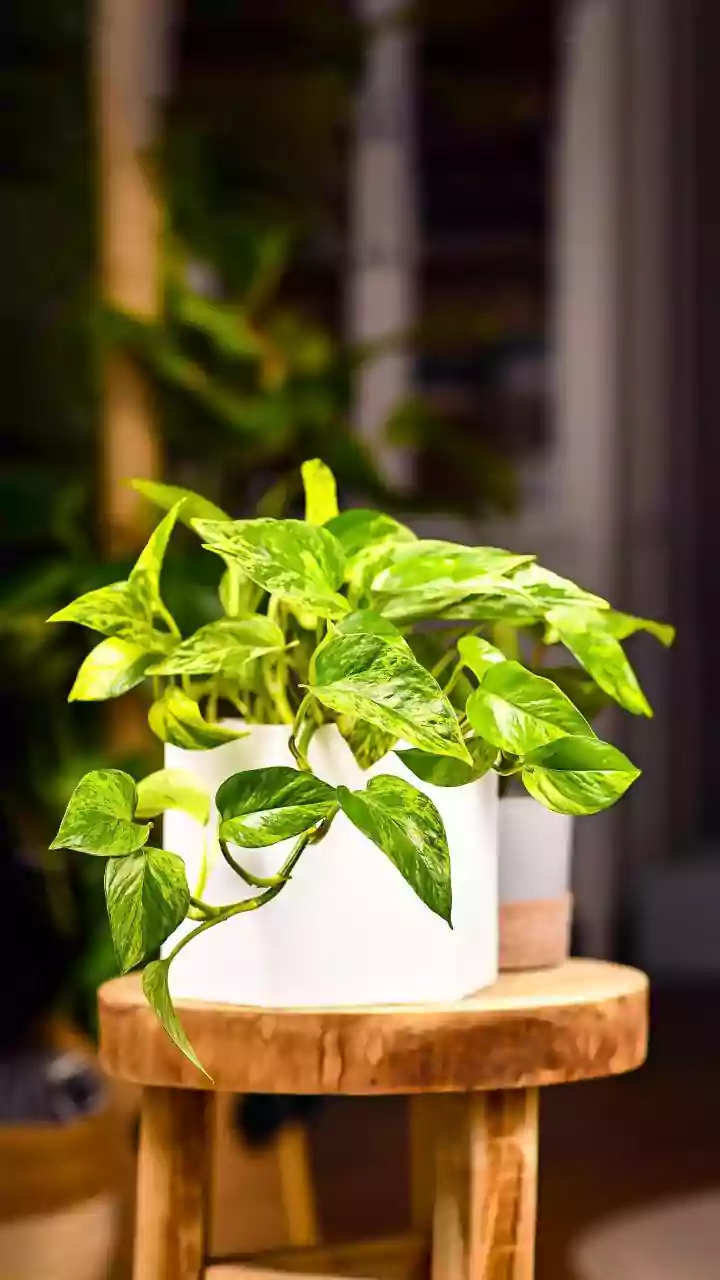
Finally, the aesthetics of the containers themselves have become a central part of the trend. The days of mismatched terracotta pots are giving way to a more curated approach. Gardeners are choosing sleek self-watering planters, minimalist ceramic pots, and stylish window boxes that complement their interior design. The plant and its vessel are seen as a single decorative unit. This focus on design integrates the kitchen garden into the home's overall style, transforming it from a simple hobby into a statement of sustainable and sophisticated living.