






The New Expat Playbook
So, what exactly is this meticulously plotted life path? Shared and refined on platforms like TikTok, the three-phase visa plan is a long-term strategy for moving to and staying in a foreign country, typically one with a clearer path to residency than
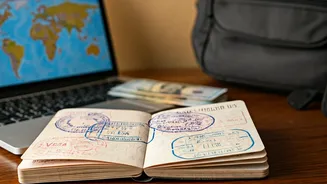
the United States. While specifics vary by destination, the blueprint generally looks like this: Phase 1: The Student Visa. This is the entry point. The individual enrolls in a master's program or another form of higher education in their target country. This provides a legitimate, relatively straightforward reason for entry and allows them to live there for one to two years, acclimating to the culture and building a local network. Phase 2: The Post-Study Work Permit. Many countries, like Canada, the U.K., and Australia, offer graduates of their universities a temporary work permit. This is the crucial bridge. It allows the person to gain local work experience, prove their value to employers, and transition from a student to a professional footing. Phase 3: The Path to Residency. With local education and work experience under their belt, the individual is now a much stronger candidate for permanent residency or a long-term skilled worker visa. They’ve spent years integrating, paying taxes, and contributing to the economy, making them an ideal applicant in the eyes of immigration officials.
Hyper-Organized & Online
If the plan sounds less like wanderlust and more like a project management timeline, you’re getting the picture. This is what makes the trend feel so distinctly Gen Z. This is the generation that grew up with the internet as a utility, a place where any problem can be researched, crowdsourced, and optimized. They create color-coded Notion dashboards for their daily routines and follow fin-fluencers for spreadsheet-based budgeting tips. Why wouldn't they apply the same logic to something as monumental as uprooting their life?
Unlike the more spontaneous, often privileged 'eat, pray, love' fantasies of previous generations, this approach is systematic. It replaces vague dreams with actionable steps. Online communities on TikTok, Reddit, and Discord serve as living guidebooks where users swap intel on which countries have favorable post-grad work policies, which master's degrees offer the best return on investment for immigration points, and how to navigate the bureaucratic labyrinth. It’s a collective, digital-native effort to hack a life goal that once felt reserved for the very wealthy or the very lucky.
Pragmatism, Not Just Wanderlust
It’s tempting to frame this as pure escapism, but that misses the powerful undercurrent of pragmatism. For many young Americans, the three-phase plan isn’t just about seeing the world; it’s a calculated response to the perceived instability of life in the U.S. Faced with a daunting housing market, crushing student loan debt, political polarization, and anxieties over everything from healthcare costs to public safety, the prospect of a different social contract is deeply appealing.
Countries with universal healthcare, more robust social safety nets, better work-life balance, and walkable cities become more than just vacation spots—they become viable alternatives. The planning isn't about running away from problems so much as running toward a different set of solutions. It’s an acknowledgment that the 'American Dream' might be more attainable elsewhere, provided you have a good enough plan.
Is It Really That Simple?
Of course, a viral TikTok trend is one thing; navigating international immigration law is another. The three-phase plan, while strategically sound, is fraught with uncertainty. Visa policies can change with the political winds, as seen with recent tightening in countries like the U.K. and Canada. The cost of international tuition and living expenses remains a significant barrier, and there's no guarantee that a post-study work permit will lead to a permanent job, let alone residency.
This intricate planning is more of a strategic framework than a foolproof guarantee. It requires immense privilege, persistence, financial resources, and a high tolerance for bureaucratic headaches. The plan may be 'peak Gen Z' in its ambition and digital execution, but it collides with the timeless, unforgiving realities of immigration systems that are not designed for convenience.