


When the Sun Sets, the City Wakes Up
Imagine a summer day in India’s capital: the air is thick, the sun relentless, and the mercury pushes past 110 degrees Fahrenheit. Streets that buzz with activity in cooler months become quiet, save for the hum of air conditioners. But this daytime hibernation
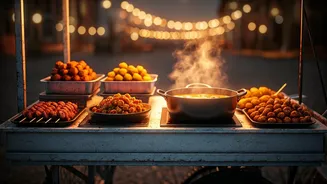
is merely the prelude. As dusk settles, a collective sigh of relief ripples through the city. The oppressive heat begins to yield to a more manageable warmth, and a second life, fueled by food and fellowship, erupts across Delhi’s 20 million residents. This is when the city truly comes alive. The stifling silence of the afternoon gives way to a symphony of evening sounds: the chatter of families, the distant call to prayer, and the unmistakable sizzle of street food stalls firing up for the night. For locals, this is the reward for enduring the day—a chance to reclaim the city, one cool evening at a time.
An Ascent Into Flavor
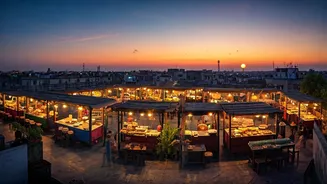
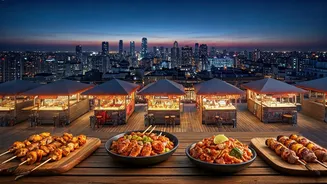
While the term “rooftop market” might conjure images of formalized vendor stalls, the reality in Delhi is more organic and far more charming. It’s a culture of vertical living. In hyper-dense neighborhoods like Old Delhi’s Chandni Chowk or the trendy enclaves of Hauz Khas Village, the evening migration is upward. Families spill onto their private terraces, while others flock to the multi-level restaurants and cafes whose upper floors and open-air roofs offer a precious breeze and a spectacular view of the urban sprawl. These aren't quiet, polite gatherings. They are vibrant, sensory-rich hubs. The air, finally cool enough to enjoy, carries the scent of grilling kebabs, frying samosas, and sweet jalebis. Below, the market streets remain a chaotic river of traffic and commerce, but up here, perched above the fray, a different kind of energy takes hold. It’s a shared experience, a citywide tradition of finding relief and joy in elevated spaces.
A Symphony of Snacks
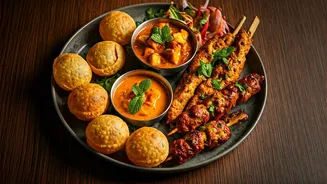
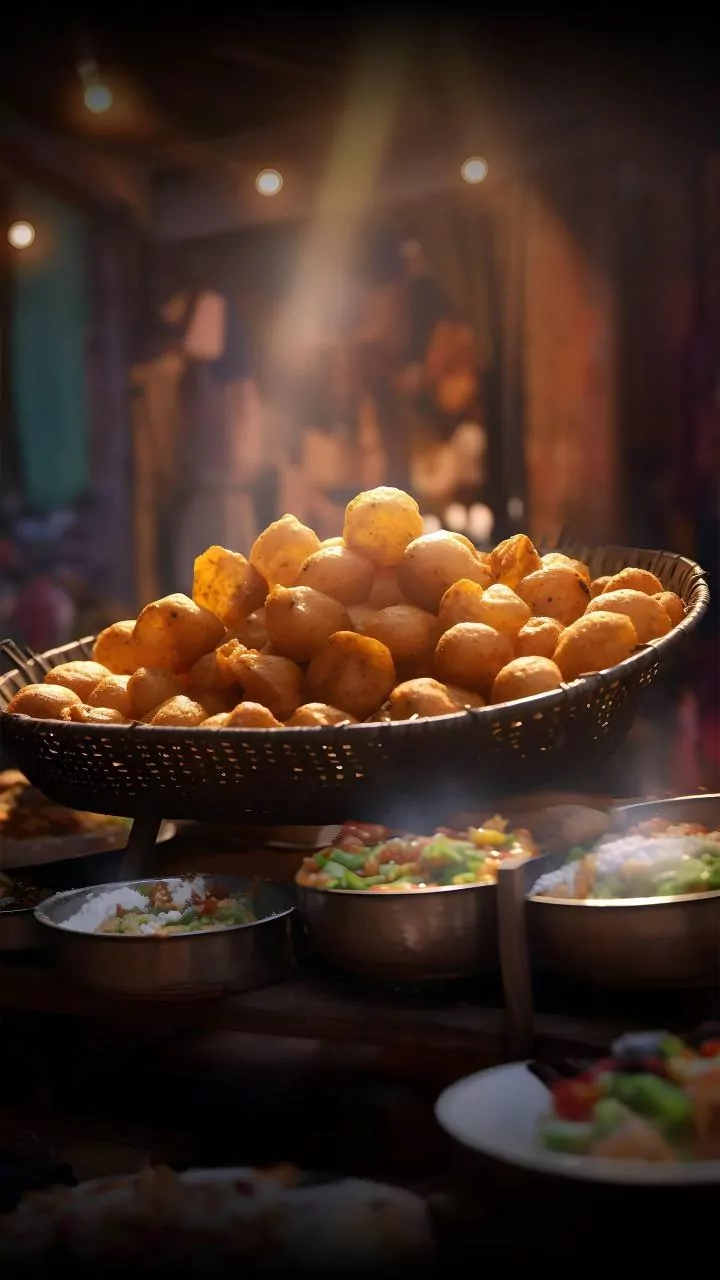
The food is, without question, the star of the show. This is not the time for a formal, sit-down dinner. Instead, it’s a parade of `chaat`—the catch-all term for India’s beloved savory snacks. Imagine `golgappe` (also known as `pani puri`): crisp, hollow spheres filled with a spicy, tangy tamarind water that explodes in your mouth. Or `dahi bhalla`, soft lentil dumplings soaked in creamy yogurt and drizzled with sweet and spicy chutneys. These dishes are designed to be a jolt to the senses, a perfect antidote to the lingering heat. For something more substantial, vendors offer plates of `chole bhature`, a hearty dish of spicy chickpeas served with enormous, deep-fried bread puffs. And for dessert? The only real choice is `kulfi`. This traditional Indian ice cream is denser and creamier than its Western counterpart, often flavored with cardamom, pistachio, or mango. Served on a stick or sliced into discs, it’s a slow-melting, blissfully cool end to the evening’s feast.
More Than Just a Meal
Ultimately, these rooftop gatherings are about more than just food. They are a vital part of Delhi’s social fabric. In a city where public parks can feel unsafe or inaccessible after dark, these elevated spaces become the de facto community centers. They are where friends catch up, families share stories, and couples find a moment of romance amidst the urban chaos. It’s a beautiful act of resilience. Rather than surrendering to the brutal summer, Delhiites have created a culture that embraces the night. They have transformed a climatic challenge into an opportunity for connection. Watching the city twinkle to life from a rooftop, a plate of spicy `chaat` in hand, you understand that this isn’t just about snacking. It’s about community, adaptation, and the simple, profound joy of sharing a meal under the vast, starry sky of a summer night.