




The Push Factor: An Unlivable Heat
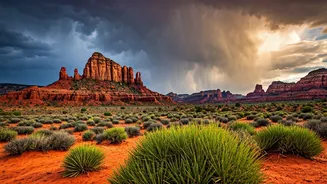
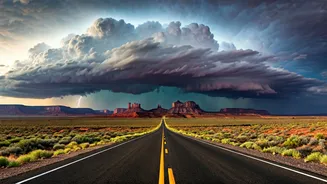
It’s one thing to have a hot summer; it’s another to endure a season where stepping outside feels like a mistake. In states like Texas, Arizona, and Florida, once prized for their mild winters, the summers are becoming punishingly long and dangerously
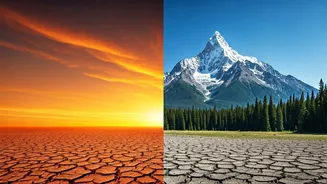
hot. Triple-digit temperatures are no longer a week-long anomaly but a months-long siege. This isn't just about discomfort. Relentless heat strains power grids, drives up utility bills to startling levels, and poses serious health risks, particularly for children and the elderly. The simple, taken-for-granted rhythms of life—kids playing in the yard, an evening walk with the dog, a morning jog—are being erased by a climate that forces life indoors. This oppressive reality is the primary “push” factor, forcing families to ask a once-unthinkable question: is it time to leave?
The Pull Factor: A Rocky Mountain Refuge
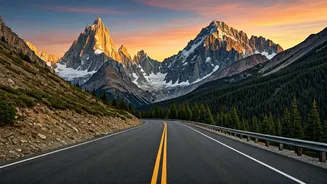
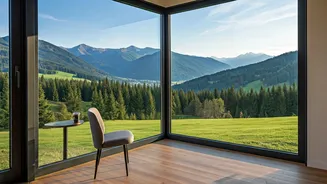
While the plains bake, the mountains beckon. The promise of crisp morning air, 75-degree afternoons in July, and endless outdoor recreation is a powerful lure. The romanticized vision of mountain life, long a staple of American culture from John Muir to Robert Redford, is now a practical solution for those with the means to move. States like Colorado, Montana, Idaho, and Utah are seeing an influx of what some are calling “climate migrants.” These aren't just retirees; they’re remote workers, young families, and entrepreneurs who can bring their jobs with them. They are seeking a haven not just from the heat, but for a lifestyle that feels more connected to nature and less dependent on round-the-clock air conditioning. The mountains are calling, and their call sounds like relief.
The New Gold Rush: Climate Gentrification
This modern migration, however, comes with a steep price—and not just for those who move. The influx of new residents, often cash-rich from selling homes in inflated urban markets like Austin or Phoenix, is creating a real estate gold rush in formerly quiet mountain towns. Places like Bozeman, Montana, and Boise, Idaho, have seen housing prices skyrocket, locking out the very people who have called these communities home for generations. Teachers, firefighters, service workers, and even young professionals who grew up there find themselves unable to afford a home in their own town. This phenomenon, dubbed “climate gentrification,” is creating a new class divide: the “climate haves” who can afford to buy their way into a comfortable environment, and the local “have-nots” who are priced out of their own paradise. The dream of a mountain refuge is becoming an exclusive club.
A Strained Welcome in Paradise
Beyond the housing crisis, the surge in population is straining the fabric of mountain communities. Traffic, once a non-issue, now chokes small-town main streets. Water rights, a perennially contentious issue in the West, become even more critical as demand grows. Schools are crowded, and local infrastructure, built for a much smaller population, is struggling to keep up. A culture clash is also brewing. The libertarian, live-and-let-live ethos of many rural Western towns often sits uneasily with the values and expectations of newcomers from urban, coastal, or different political backgrounds. The tension is palpable in local government meetings, on social media forums, and in the checkout line at the grocery store. The warm welcome once extended to all is becoming more conditional, tinged with a resentment for the changes that have arrived with the moving vans.