

Beyond the Takeout Menu
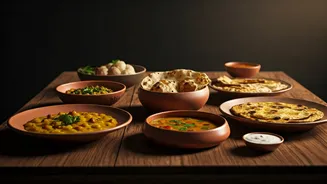
For many Americans, South Asian food has long been defined by the local Indian restaurant’s lunch buffet or a handful of familiar dishes like chicken tikka masala and saag paneer. At home, for first-generation immigrants, cooking was often a labor of love
rooted in recreating the flavors of their homeland with whatever ingredients were available. It was about comfort and connection, a taste of a place left behind. But that narrative is changing, driven by a new generation of Desi Americans who are approaching their culinary heritage with a fresh perspective. They grew up with these flavors, but they are also digital natives steeped in the American foodie culture of farm-to-table sourcing, artisanal products, and the power of a good brand story. The result is a quiet but powerful revolution happening in home kitchens across the country, one that honors tradition while demanding the same respect and quality afforded to Italian olive oil or French cheese.
The Quest for Quality Ingredients
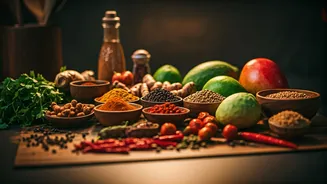
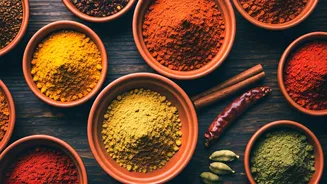
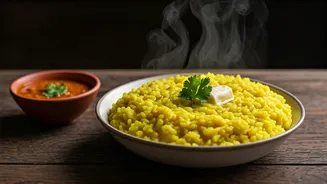
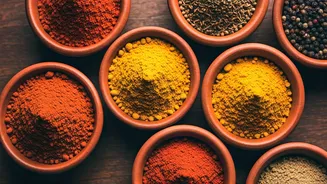
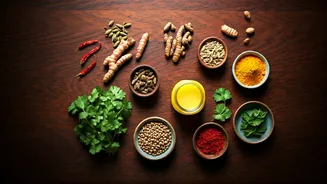
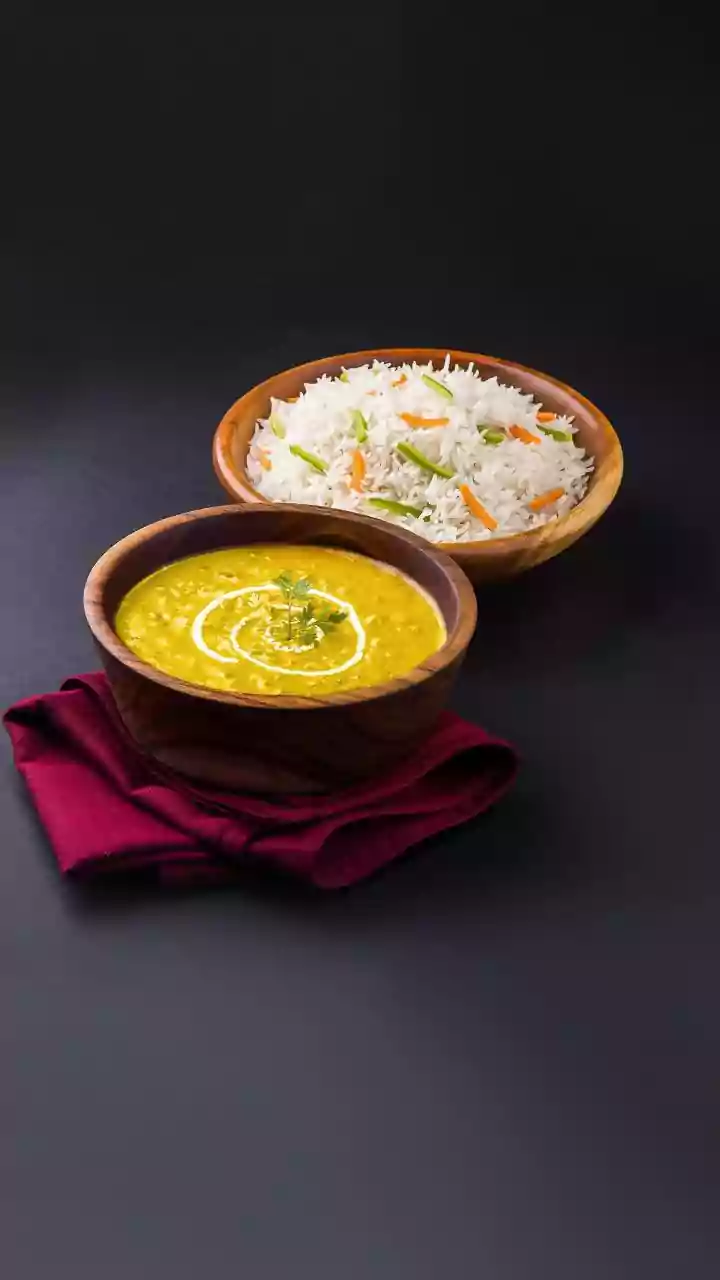
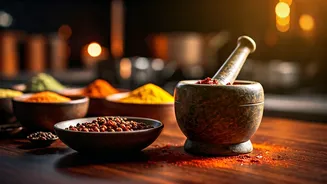
At the heart of this premium twist is a profound focus on the building blocks of flavor. The generic spices bought in bulk from specialty grocery stores are being replaced by meticulously sourced, single-origin varieties. Companies like Diaspora Co. have become cult favorites by offering fresh, potent spices like Pragati Turmeric and Aranya Black Pepper, marketing them with the kind of terroir-driven language usually reserved for wine or coffee. They’re not just selling a product; they’re selling a direct link to the farms and farmers who grow it. This ethos extends beyond spices. Small-batch, cultured ghee is now sold in beautifully designed jars. Heritage grains and lentils are sought after for their unique textures and nutritional profiles. The underlying principle is simple but transformative: if you use better ingredients, you get a better, more vibrant dish. It’s a rejection of the idea that global cuisines should be relegated to the “ethnic” aisle with corner-cutting ingredients. Instead, it’s a declaration that a simple dal or a complex biryani deserves the very best.
Reclaiming the Narrative
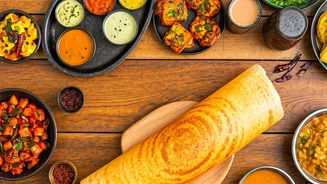
This movement is about more than just good food; it’s a powerful act of cultural reclamation. For many second- and third-generation Desi Americans, cooking is a way to connect with a heritage they may feel distanced from by language or geography. But they aren't simply mimicking their parents' or grandparents' recipes. They are deconstructing them, understanding the 'why' behind the techniques, and reinterpreting them for a modern lifestyle. They are asking questions: Why do we temper spices in hot oil? What is the science behind a perfect dosa batter? This exploration allows them to own their culinary identity, blending the traditional with the contemporary. It’s about making food that is authentically theirs—unapologetically flavorful and complex, but also fitting into a life that values convenience, health, and conscious consumerism. This is Desi cooking that doesn’t need to be “simplified” or “toned down” for a Western palate; it’s being celebrated in its full glory, but with a modern, confident voice.
From Kitchen to Countertop
This premiumization isn't just a DIY affair; it’s fueling a cottage industry of new brands and products. Walk the aisles of a high-end grocer or browse online, and you'll find an explosion of thoughtfully crafted South Asian pantry staples. There are simmering sauces made with fresh tomatoes and whole spices, frozen samosas with artisanal fillings, and chai concentrates that rival the best third-wave coffee. These products are designed for the modern home cook who may not have three hours to cook a meal from scratch but still craves authentic, high-quality flavor. The packaging is slick, the marketing is savvy, and the message is clear: Desi food is not just a category; it's a premium lifestyle choice. This commercial evolution is crucial, as it makes the flavors and philosophies of this new wave of Desi cooking accessible to a much broader audience, moving it from a niche trend to a permanent fixture in the American culinary landscape.