




1. The Glorious, Minimal Cleanup
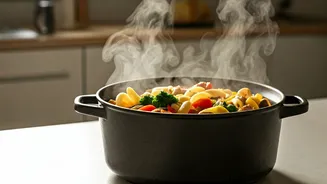
Let’s start with the most obvious and celebrated benefit: the cleanup. Or rather, the lack thereof. Traditional cooking can feel like a multi-stage battle against an ever-growing army of pots, pans, cutting boards, and mixing bowls. By the time dinner
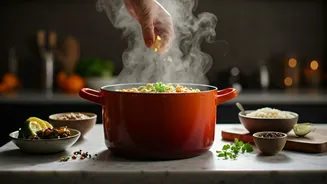
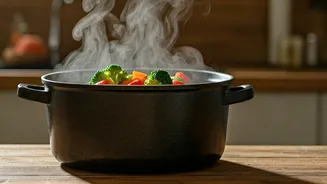
is served, the kitchen can look like a disaster zone, turning a relaxing meal into a prelude to a dreaded chore. One-pot cooking elegantly sidesteps this entire scenario. Everything—from searing the protein to sautéing the aromatics and simmering the sauce—happens in a single vessel. Your post-dinner task is reduced to washing one pot, a few utensils, and the plates you ate on. This simple shift transforms the entire dynamic of a weeknight meal, making cooking feel less like a burden and more like a manageable, even enjoyable, act.
2. A Symphony of Deep, Melded Flavor
While convenience is the headline act, the supporting star is undeniably flavor. One-pot cooking isn't just about saving time; it's a technique that inherently builds deeper, more complex tastes. Every step leaves a delicious trace in the pot. When you sear chicken, it leaves behind browned bits (fond) packed with umami. When you sauté onions and garlic in those same drippings, they absorb that richness. As you add liquid, wine, or broth to deglaze the pan, all those layers of flavor are lifted and incorporated into the sauce. The starches from pasta or rice, when cooked directly in the sauce, thicken it naturally and create a creamy, cohesive texture you can't replicate otherwise. It’s a closed-loop system of deliciousness where nothing goes to waste.
3. It's a Weeknight Time-Saver
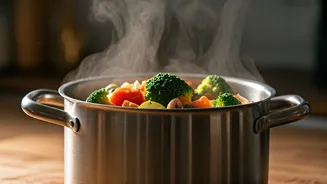
The time-saving aspect of one-pot meals extends far beyond cleanup. The entire cooking process is streamlined. There's no juggling multiple pans on different burners, trying to time a pot of boiling water with a sauce that’s about to break. It’s a more linear, less chaotic process. You typically work in stages within the same pot, which requires less mental energy and frantic movement around the kitchen. Furthermore, many one-pot recipes, like stews, braises, and chilis, benefit from a hands-off simmering period. This gives you a precious 20-30 minutes to unload the dishwasher, help with homework, or simply sit down and unwind before dinner is ready—a small luxury that makes a huge difference on a busy Tuesday.
4. The Ultimate Budget and Pantry Hack
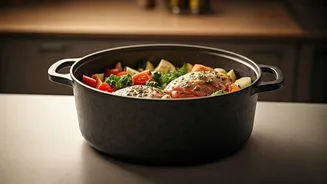
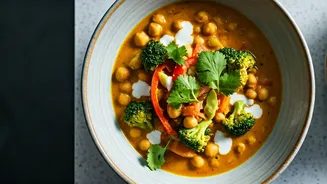
One-pot meals are champions of frugality and efficiency. They are the perfect vehicle for using up what you have. That half-used bag of spinach, those two lonely carrots, or that last bit of canned coconut milk can all be thrown into the pot, preventing food waste and stretching your grocery budget. This method is also ideal for making tougher, less expensive cuts of meat incredibly tender and delicious through slow simmering or braising. A pound of chicken thighs or a chuck roast can be transformed into a generous, flavorful meal that feeds a whole family, often with leftovers for lunch the next day. It’s a style of cooking that encourages resourcefulness and rewards you with a satisfying, affordable meal.
5. Incredibly Forgiving for New Cooks
For anyone intimidated by cooking, the one-pot meal is a welcoming gateway. The contained environment and sequential steps make the process less daunting. There are fewer variables to manage, reducing the chances of a culinary catastrophe. If your sauce is a little too thin, you can just let it simmer a bit longer. If your vegetables are still a little firm, just put the lid back on for a few more minutes. This built-in flexibility makes it an excellent way to build confidence in the kitchen. It allows you to focus on the fundamentals—like how to build flavor and control heat—without being overwhelmed by the logistics of a more complicated recipe.