



The Last Kingdom of the Asiatic Lion
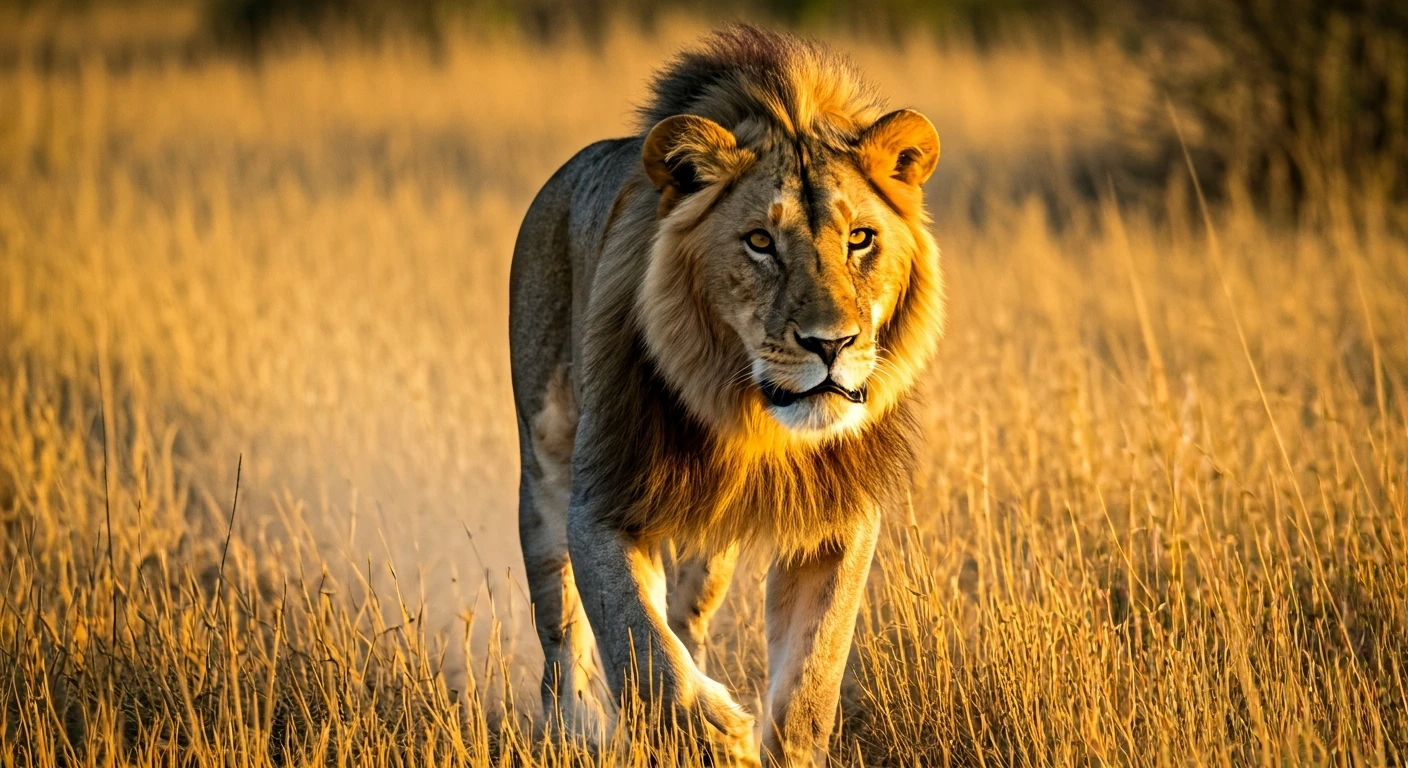
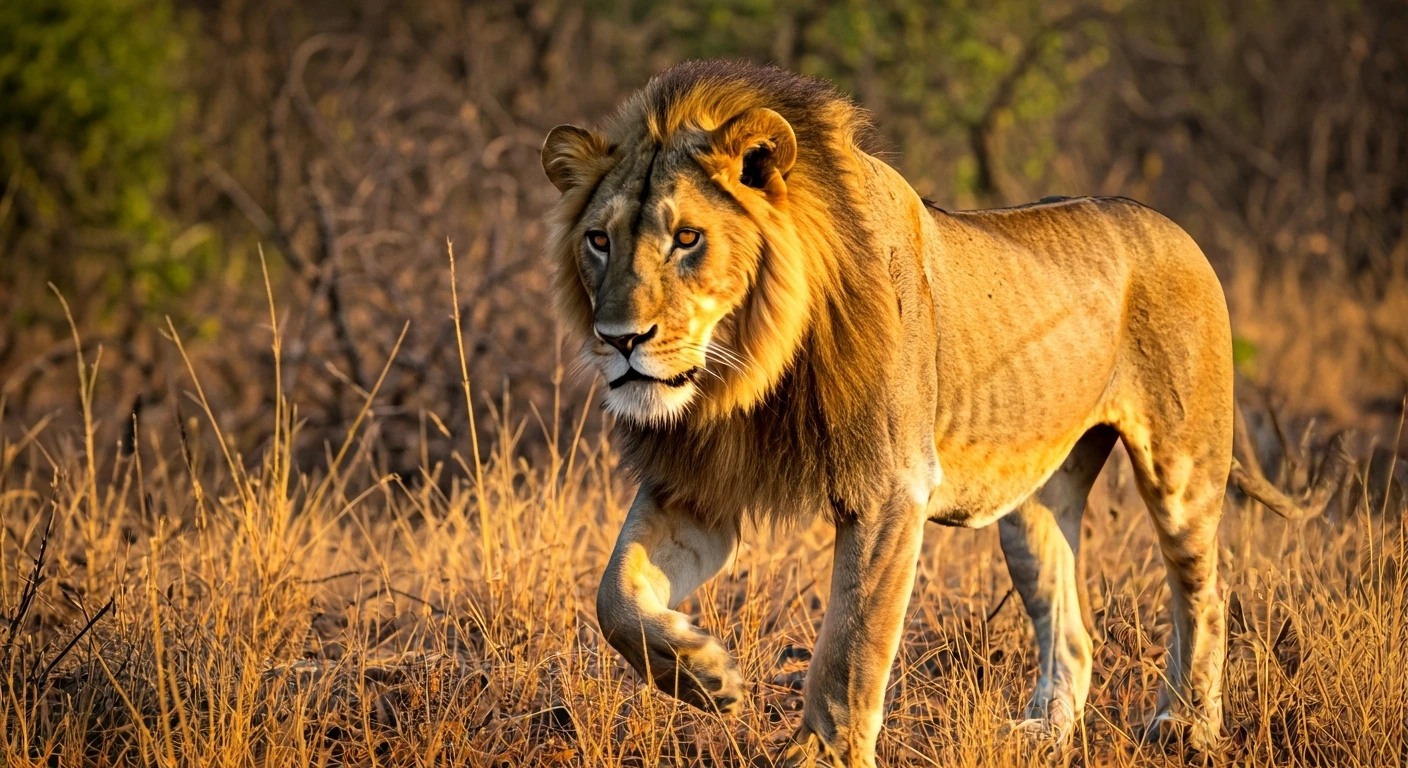
For most Americans, the word “lion” conjures images of the vast African savanna. But a smaller, shaggier, and critically important population of lions lives half a world away in India’s Gir National Park. This is the Asiatic lion, a subspecies that once
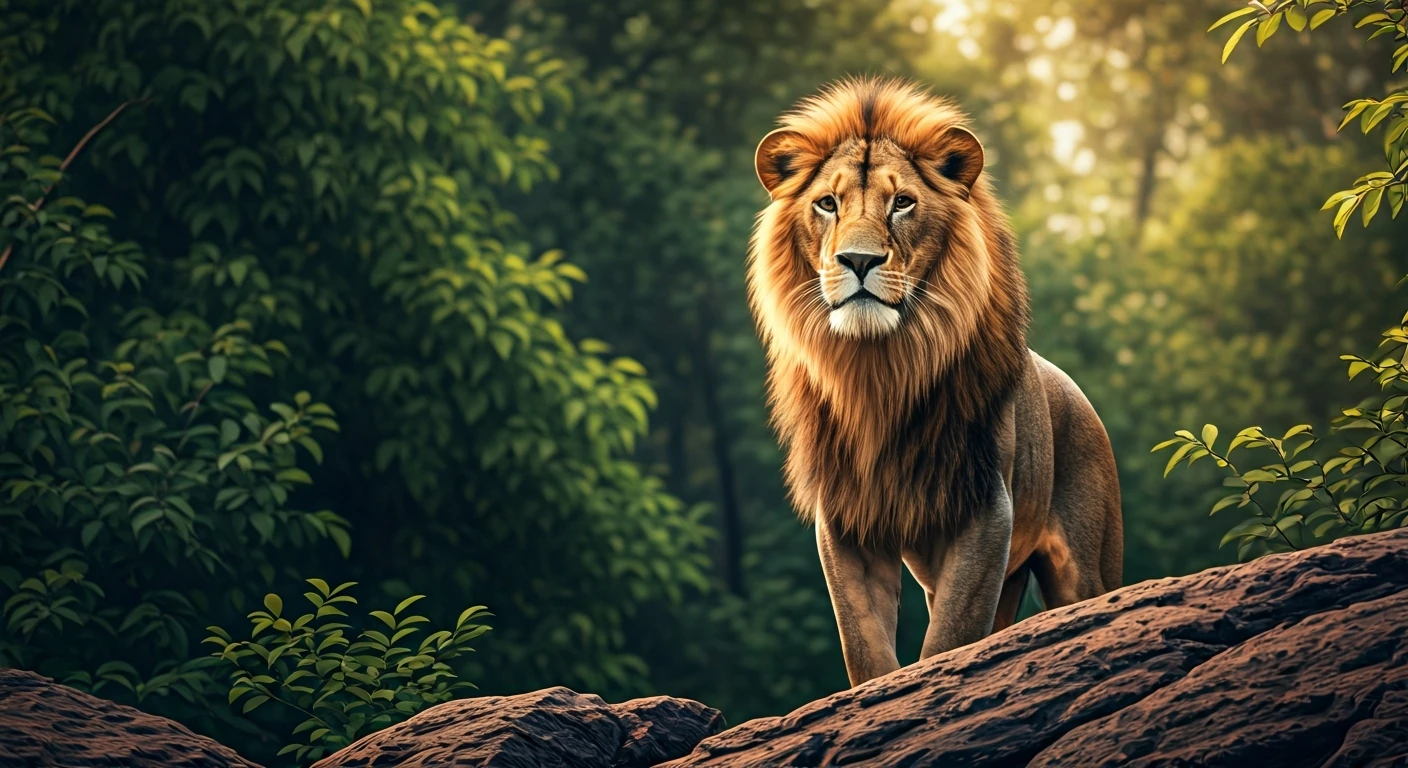
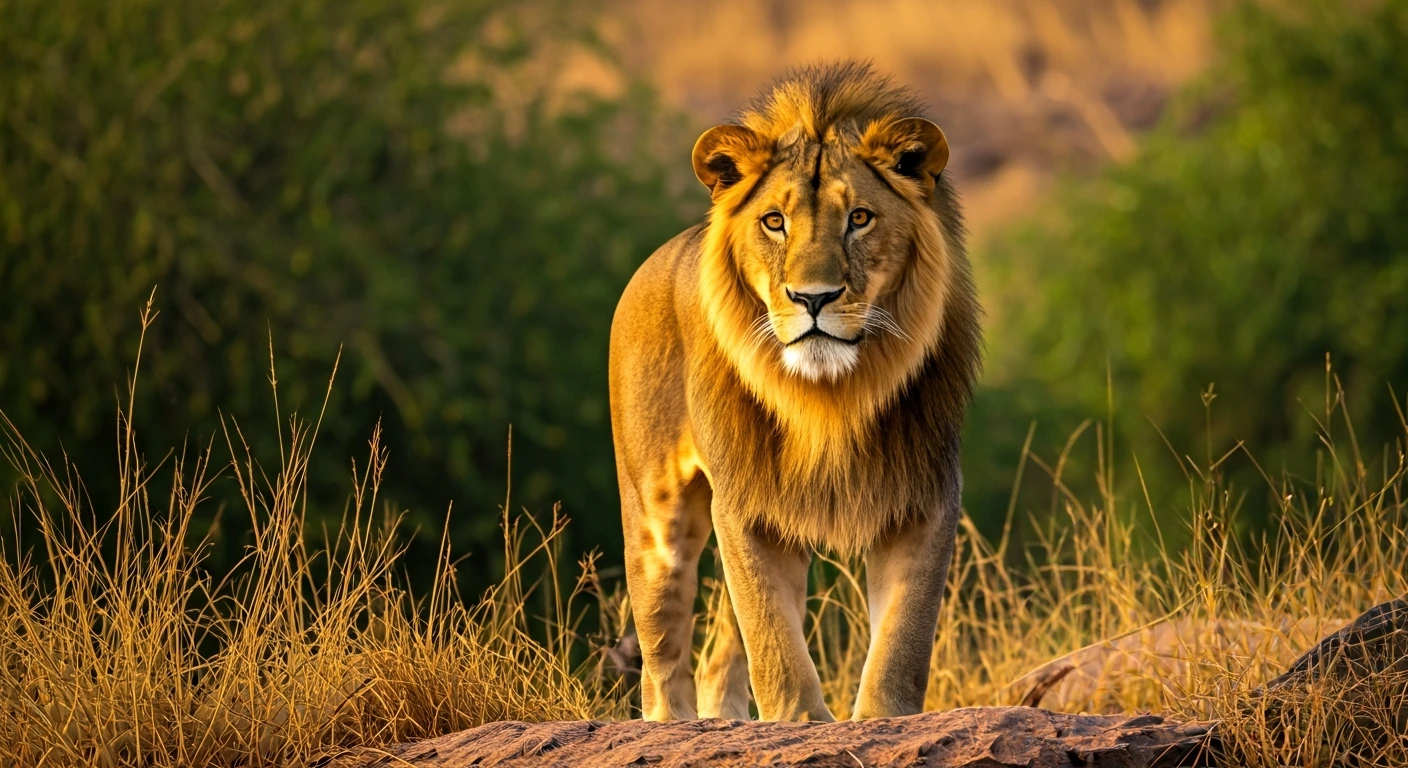
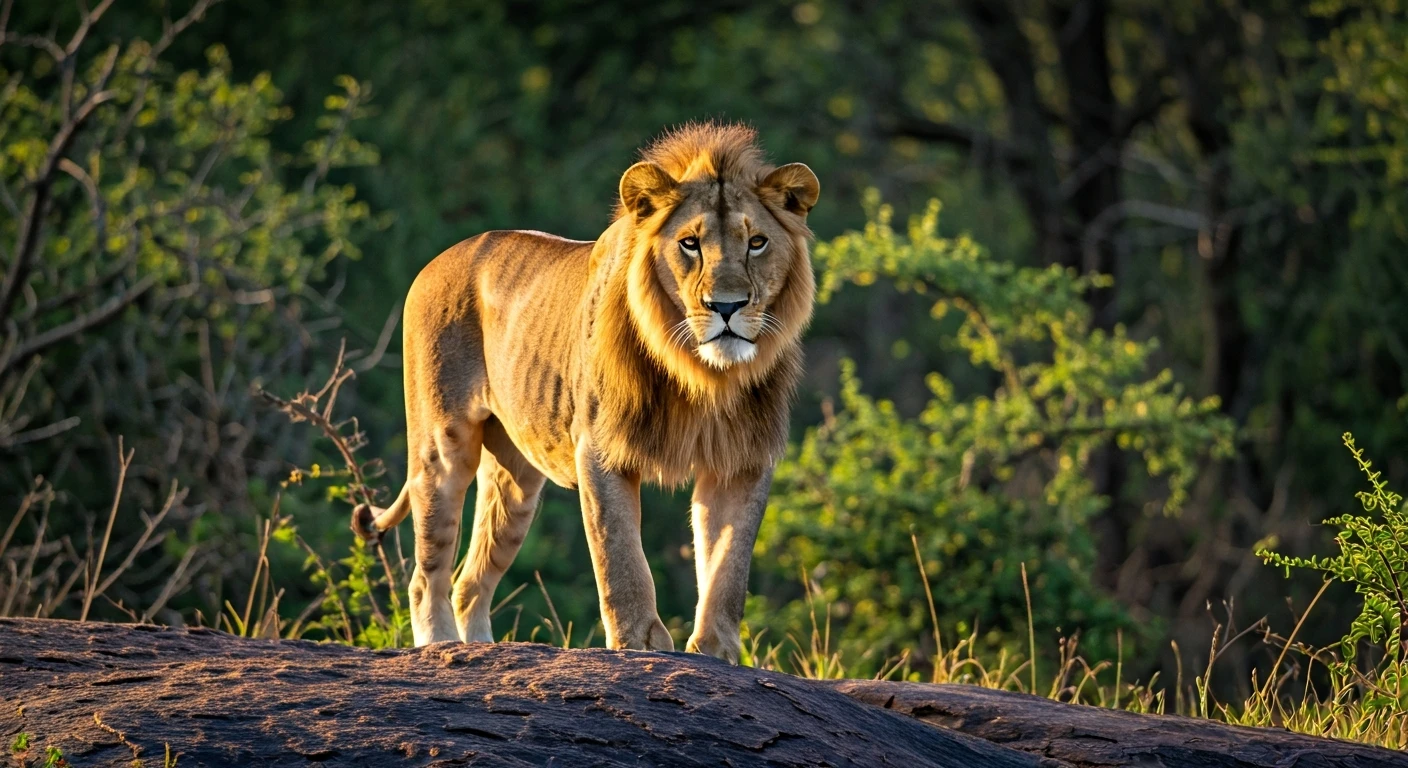
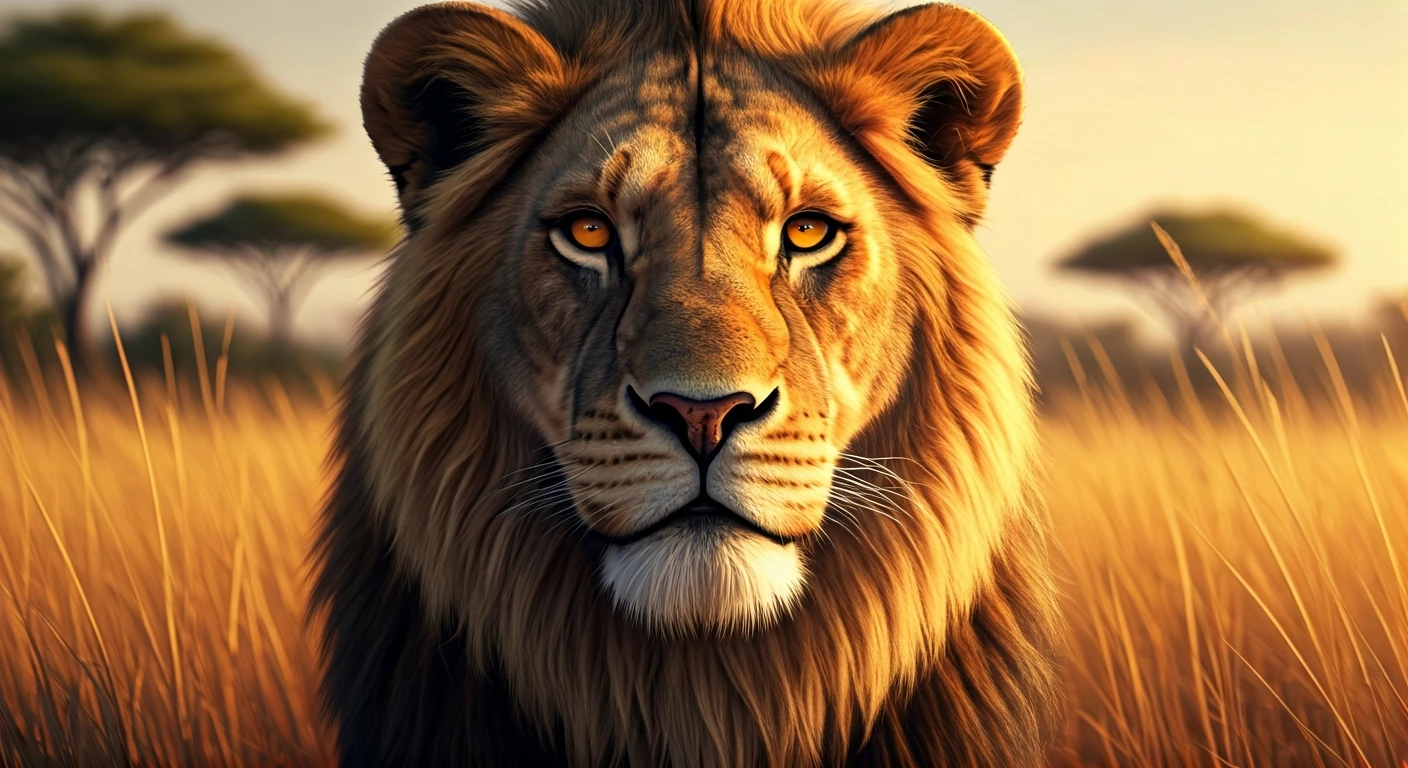
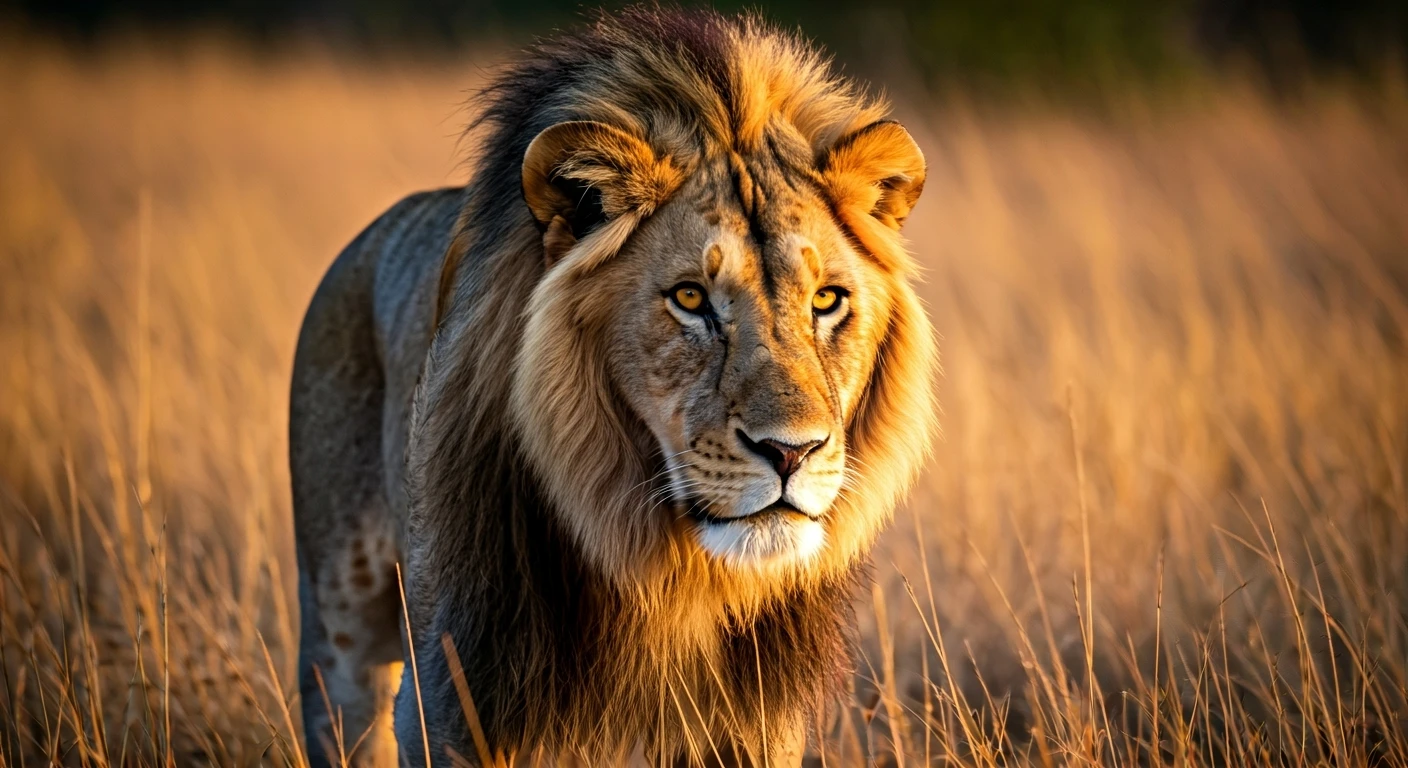
roamed from the Middle East to Eastern India but was hunted to the brink of extinction. By the early 20th century, only a dozen or so remained, all within the private hunting grounds of the Nawab of Junagadh, who thankfully protected them. Today, thanks to one of the world's most successful conservation programs, their numbers have rebounded to over 600. Gir National Park, a 545-square-mile sanctuary of dry deciduous forest, is the only place on Earth to see them in the wild. Physically, they are distinct from their African cousins: they are slightly smaller, males have a less prominent mane, and most uniquely, they possess a longitudinal fold of skin along their belly—a feature absent in African lions.
The Pre-Monsoon Rush
While the park is a marvel year-round, June holds a special significance that turns a simple visit into a time-sensitive event. Every year, around June 16th, Gir National Park closes its gates to visitors for four months. The impending arrival of the monsoon rains, which replenish the forest but render its dirt tracks impassable, dictates the tourist calendar. This closure makes the first two weeks of June the final window of opportunity for a safari. This deadline creates a palpable buzz. Safari slots fill up quickly as local and international tourists flock for one last chance to spot the majestic cats. The intense pre-monsoon heat also plays a role in the experience. As temperatures soar, wildlife, including the lions, are often drawn from the dense foliage to the park’s precious few waterholes. For safari-goers, this can mean more predictable and rewarding sightings as the lions lounge near these vital resources, conserving energy in the sweltering heat.
More Than Just a Sighting
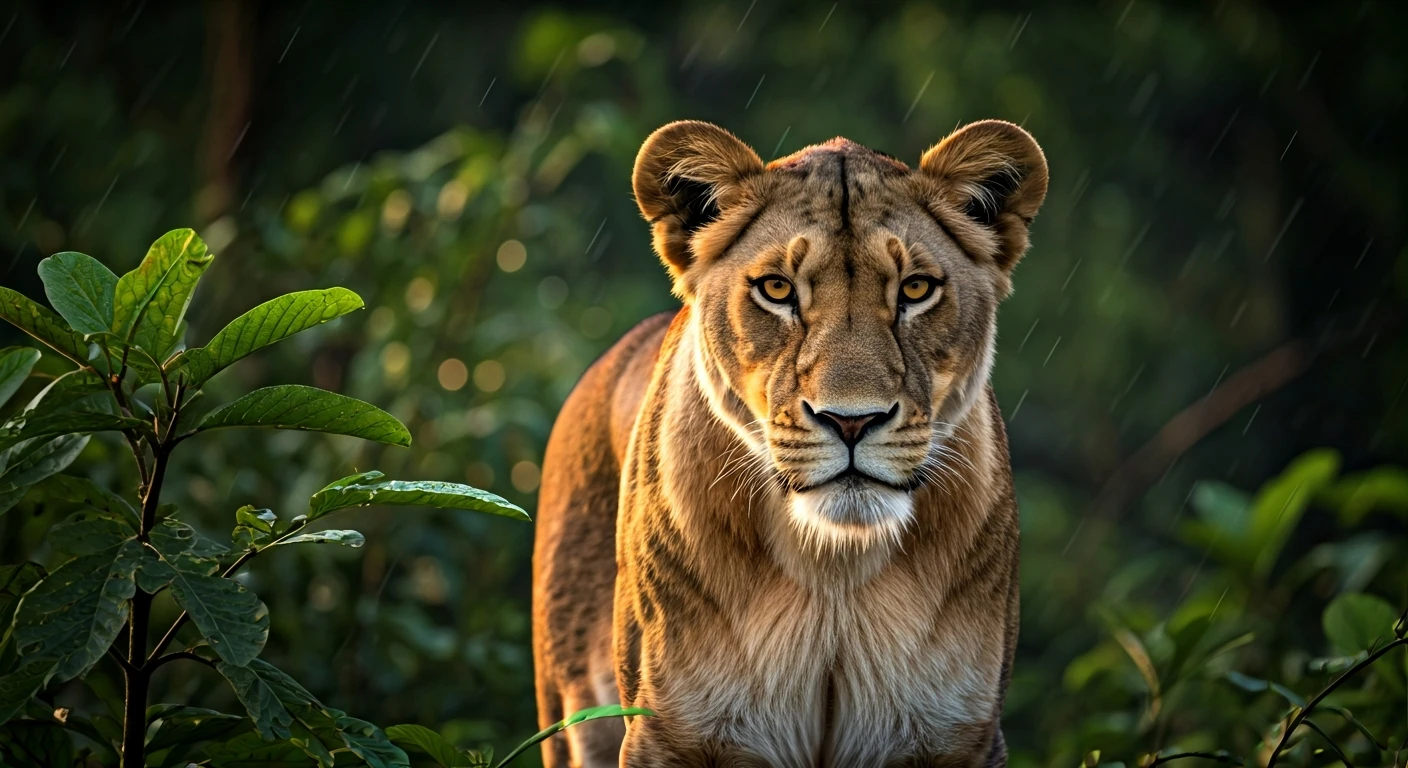
A “lion show” it is not. A safari in Gir is an immersion into a complex and thriving ecosystem. The vehicle of choice is the Maruti “Gypsy,” a small, open-sided jeep that puts you right in the environment. Accompanied by a government-approved guide and driver, the journey is a lesson in patience and observation. The guides, often from local Maldhari pastoralist communities who have coexisted with the lions for centuries, are experts at reading the forest. They listen for the warning calls of spotted deer (chital) or sambar, which often signal a predator’s presence. While the lion is the undisputed star, Gir is also home to a dense population of leopards, often considered even more elusive and thrilling to spot. Jackals, hyenas, crocodiles, and over 300 species of birds round out the cast, ensuring that even if the lions remain hidden, the forest is always alive with activity. The experience is less a zoo and more a dynamic wilderness where every turn offers a new possibility.
A Roaring Comeback Story
To see an Asiatic lion in Gir is to witness a living miracle of conservation. This is not a species that was simply preserved; it was brought back from the absolute edge. The success story is a source of immense national pride in India and a global benchmark for wildlife management. The rebound has been so successful, in fact, that the lions have begun to naturally disperse into surrounding areas, creating new challenges and opportunities for human-wildlife coexistence. Visiting the park contributes directly to this ongoing effort. Tourism revenue funds park maintenance, anti-poaching patrols, and community engagement programs that are essential for the lions' long-term survival. Each jeep that rumbles down Gir’s dusty tracks is part of a delicate economic balance that makes the lions more valuable alive than dead. A sighting, therefore, feels like more than just a check on a travel list; it's a moment of connection with a story of resilience and hope.