





The Sterile Comfort of the Resort Bubble
Let’s be honest about the modern resort experience. It’s designed for flawless, frictionless comfort. The lobby is air-conditioned to a precise 72 degrees. The breakfast buffet features the same international assortment of eggs, pastries, and fruit, whether
you’re in Cancún or Kerala. The staff is impeccably trained, unfailingly polite, and kept at a professional distance. It’s a perfectly pleasant, hermetically sealed bubble of hospitality. But that bubble is also a barrier. It insulates you from the very place you traveled to see. The architecture is often generic, the food is catered to a global palate, and the experiences are curated to the point of being canned. You could be anywhere, and that’s the problem. This “sameness” is the enemy of authentic travel. You’re not experiencing a new culture; you’re consuming a product that has been carefully stripped of any challenging or inconvenient local character.
Embracing the Season, Not Hiding From It
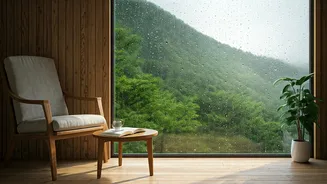
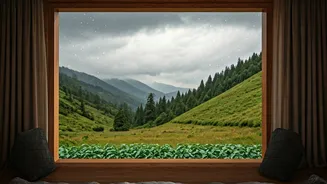
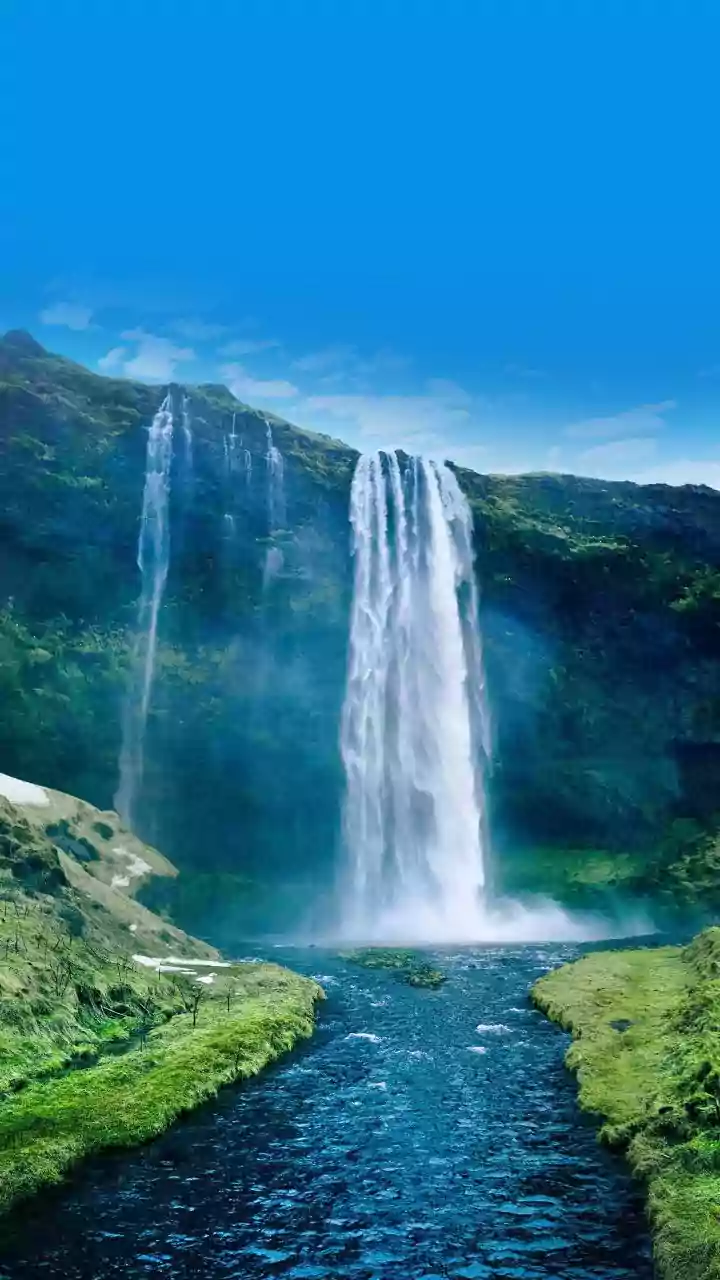
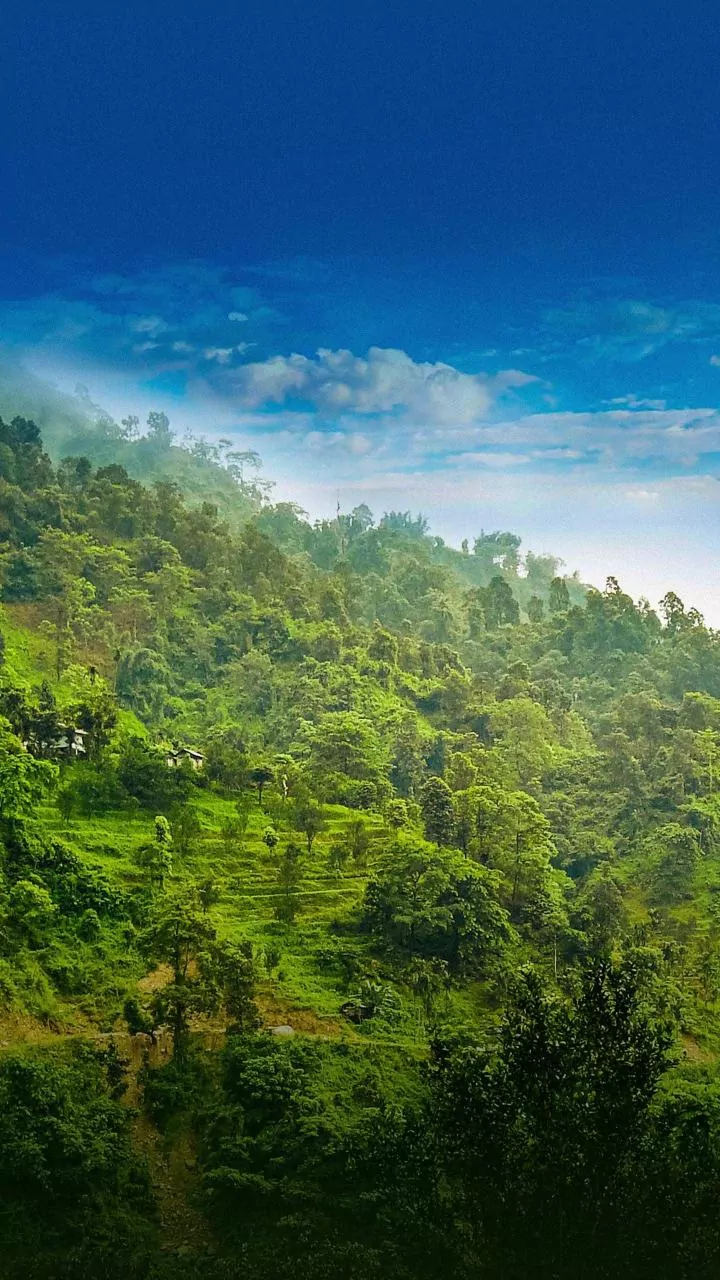
The word “monsoon” might conjure images of canceled plans and dreary days for the uninitiated. But for entire cultures, it’s a season of renewal, beauty, and introspection. It’s when the landscape transforms into a thousand shades of impossible green, waterfalls burst to life, and the air is filled with the clean scent of rain on dry earth. A resort encourages you to hide from this. You watch the storm from behind double-paned glass, waiting for the curated “sunshine” part of your vacation to resume.
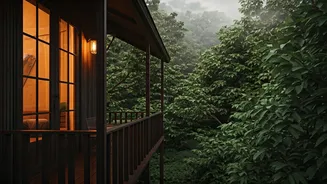
A homestay, by contrast, invites you to live inside the season. Imagine waking up not to the hum of an AC unit, but to the rhythmic drumming of rain on a tiled roof. You’ll sit on a veranda, wrapped in a blanket with a steaming cup of tea, watching the mist roll through the hills. The weather isn’t an inconvenience to be avoided; it’s the main event. You learn the local rhythm—the flurry of activity in the morning before the downpour, the cozy afternoons spent reading or talking, the quiet evenings listening to the symphony of the rain-soaked world.
A Taste of a Real Home
Nowhere is the resort-homestay divide more apparent than at the dinner table. The resort buffet is a triumph of logistics, offering something for everyone but delighting no one. It’s food as fuel.
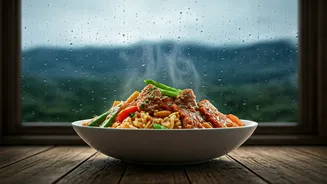
A homestay offers food as culture. It’s your host’s grandmother’s recipe for a fish curry, perfected over generations. It’s the regional specialty you’d never find in a commercial kitchen, made with vegetables picked from the garden that morning. You might even be invited into the kitchen to watch and learn. You’re not just a customer; you’re a guest at the family table. These are the meals that become stories, the flavors that you’ll try—and fail—to replicate back home, forever reminding you of that specific time and place.
Stories Over Souvenirs
The best travel isn’t about what you buy; it’s about who you meet. At a resort, your interactions are transactional. At a homestay, they are relational. Your hosts are your local guides, your cultural interpreters, and often, your friends. They can tell you about the best, non-touristy viewpoint to see the sunset after the rain. They can explain the story behind the local temple or festival. You’re not getting a scripted spiel from a tour desk; you’re getting genuine advice from a person who is proud of their home and eager to share it.
This connection is a two-way street. You learn about their lives, and they learn about yours. This simple exchange is the heart of what makes travel a transformative, empathy-building experience. You leave with more than just photos; you leave with a deeper understanding of a small corner of the world.